

Art Deco Shade
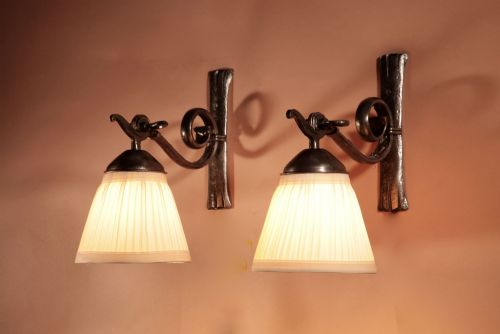
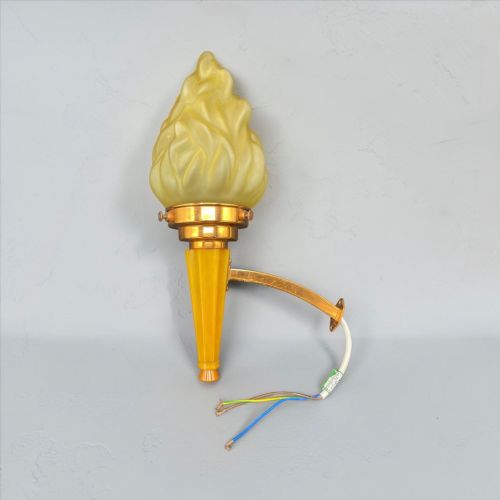
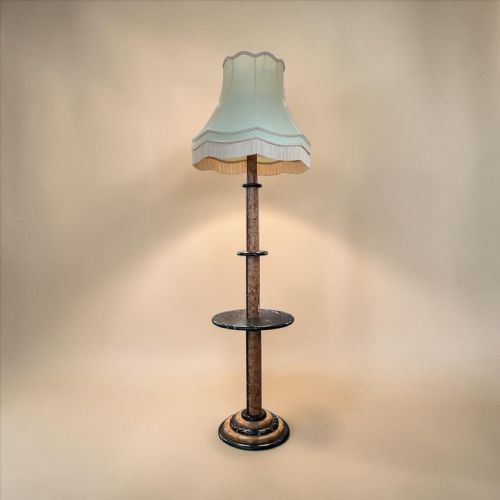
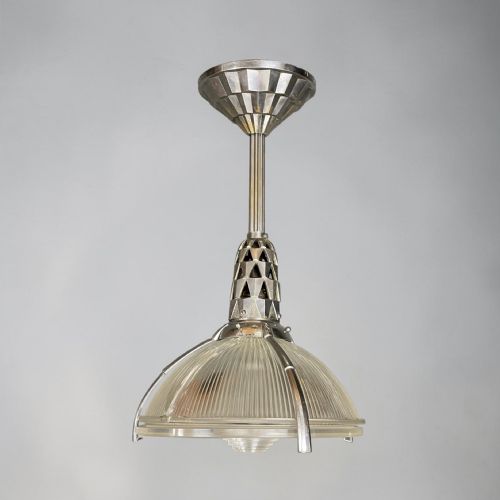
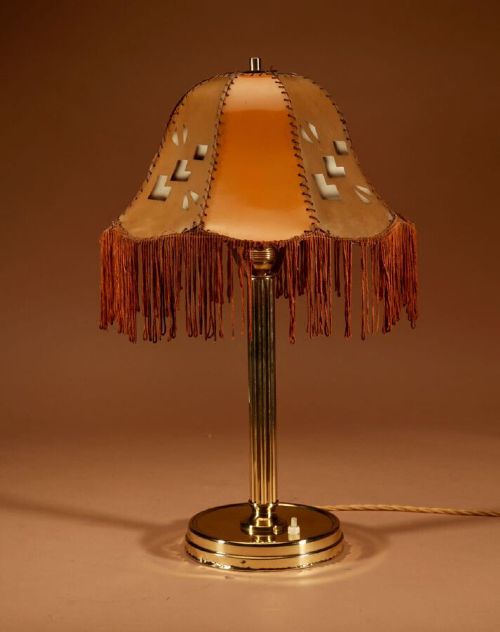
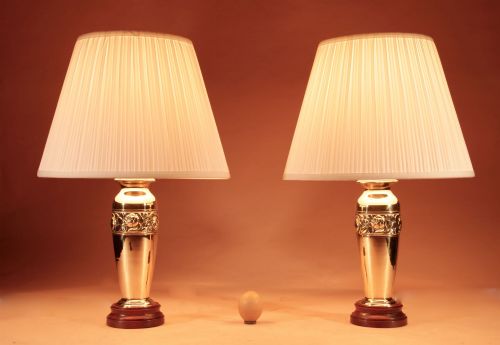
An art deco shade directs light with geometric discipline, casting a focused glow from frosted glass and brass fittings.
Art Deco Shade
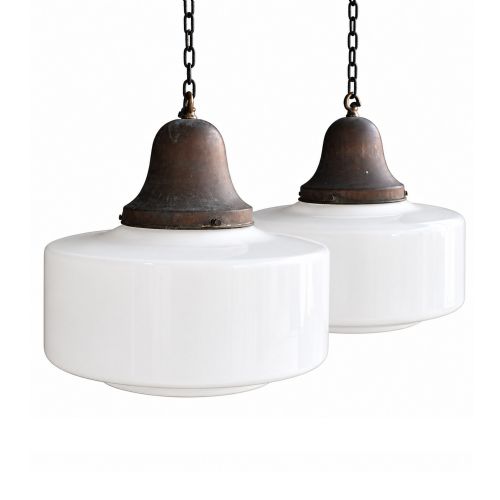
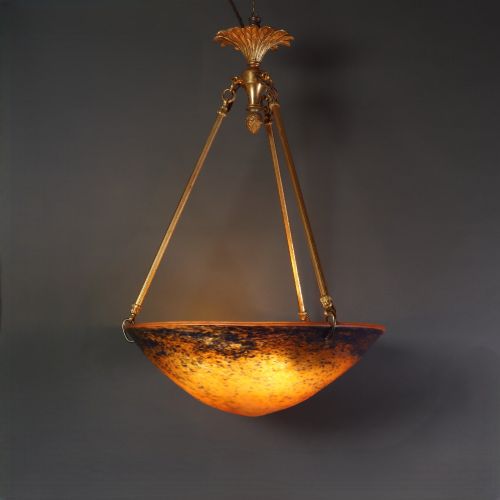
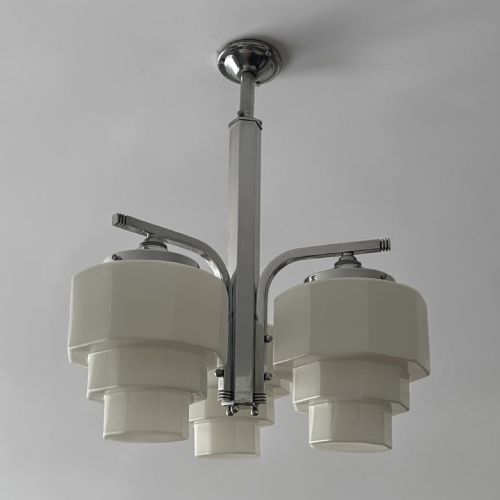
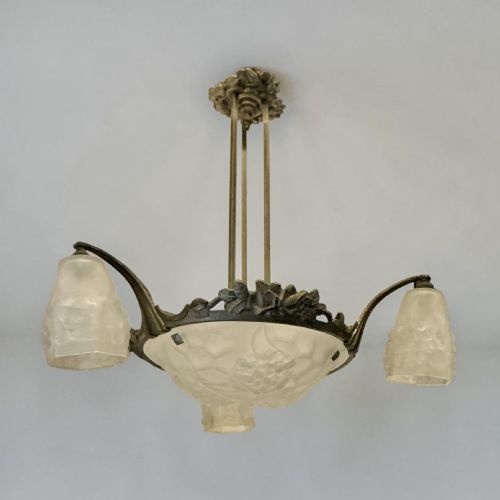
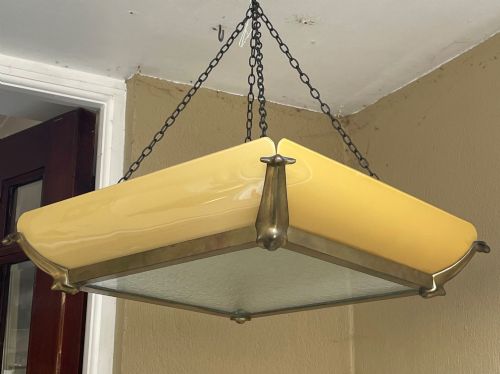
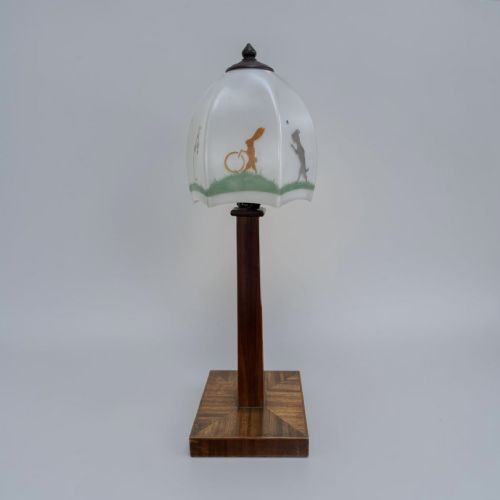
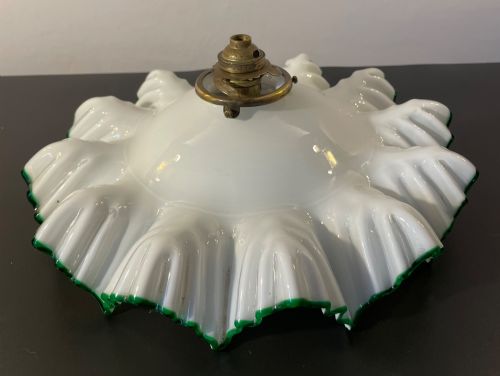
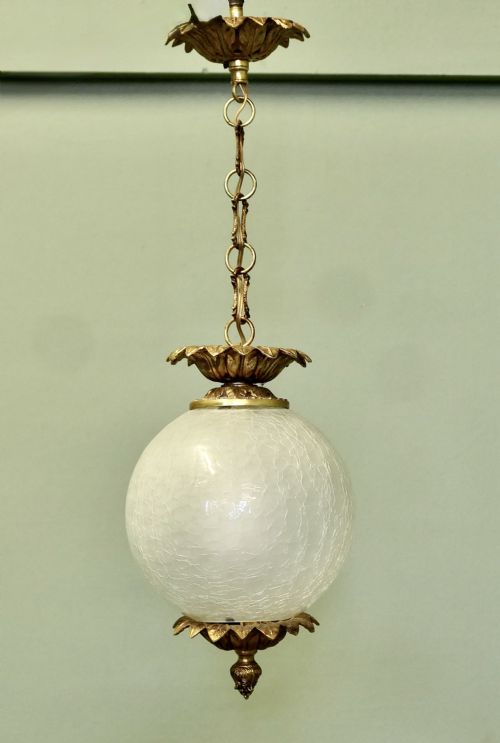
When searching for an art deco shade, a buyer encounters domestic light fixtures spanning the early decades of the twentieth century. These include pendant lights, ceiling fixtures, and table lamps designed to diffuse interior light.
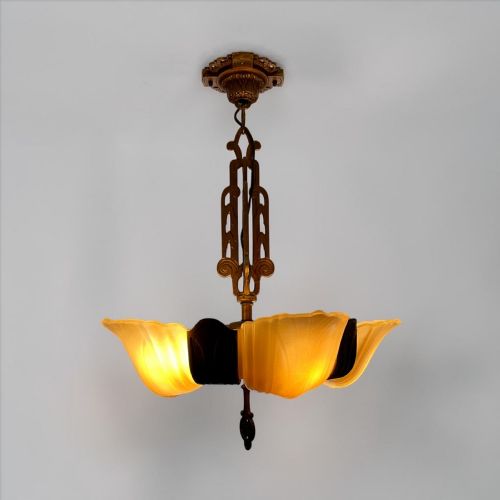
The most frequent examples on this page date from the nineteen-twenties and nineteen-thirties, manifesting the characteristic geometric and symmetrical idioms of the period. Forms range from simple glass globes to complex multi-tiered slip shade arrangements.
Makers and designers of the era utilised diverse materials to house bulbs, integrating lighting directly into the architecture of the room. Pieces appear singly or in matched pairs, originating from British, French, and North American workshops.
How they were made
Glass production relied on moulding, pressing, and acid etching to create frosted, opaline, or crackle finishes that softened the electric glare. Workshops combined these glass elements with cast brass, chrome, and copper hardware.
Metal components were shaped through casting, spinning, and patination, anchoring heavier glass shades to marble bases or suspension chains. Some models incorporated fabric elements or hand-painted details on the glass surface.
Listings feature table lamps, pendant lights, and wall sconces spanning the nineteenth century through the nineteen-forties.
What varies in quality
Distinctions in quality rest upon the weight of the metalwork and the depth of the glass moulding. Superior pieces display substantial brass or chrome mountings paired with thick, evenly distributed opaline or cut glass.
Attribution to documented designers or distinct stylistic movements such as the Amsterdam School elevates certain examples above standard commercial production. The integrity of the original hardware and the subtlety of the glass finish determine the standing of each piece.
Charles Schneider·Degué·Émile-Jacques Ruhlmann·Stuart Crystal
The Art Deco Shade Glossary
- Plafonnier
- A ceiling-mounted light fixture fitted flush or close to the ceiling surface. These often feature large moulded glass bowls held by metal clips.
- Opaline glass
- A milky, semi-translucent white glass designed to diffuse light evenly without glare. It became a staple material for twentieth-century shades.
- Slip shade
- A moulded piece of glass that slides into a metal frame to form part of a chandelier or wall sconce. Multiple slip shades typically lock together around a central fixture.
- Machine Age
- A design style from the interwar period celebrating industrial progress. It prioritises chrome finishes, clean lines, and functional mechanics.
- Amsterdam School
- An expressionist architectural and design movement originating in the Netherlands. It utilises rounded brickwork, expressive metal framing, and organic forms.
Art Deco Shade: Frequently Asked Questions
How do I hang a heavy glass pendant light?
Heavy glass shades require secure ceiling joists and appropriate brass or iron hanging chains to support the weight. Professional installation ensures the electrical junction box bears the load safely.
Verify that the suspension hardware matches the scale of the shade and check the internal wiring before mounting the fixture.
What is the difference between opaline and frosted glass?
Opaline glass contains chemical agents that turn the batch milky white and semi-opaque, creating a soft, diffused glow. Frosted glass achieves its texture through acid etching or sandblasting a clear surface.
Both materials serve to hide the bright filament of the bulb while casting gentle light across the room.
Can I use modern LED bulbs in these vintage lamps?
Modern LED bulbs work well in period fixtures because they emit very little heat, protecting vintage glass and old wiring. Choose bulbs with a warm colour temperature to replicate the soft glow of early electric lighting.
Ensure the wattage does not exceed the capacity recommended for the original fitting.
How do I clean vintage glass shades safely?
Wash glass shades in lukewarm water with mild soap, avoiding harsh chemical cleaners that can damage painted or etched surfaces. Dry them thoroughly with a soft cloth before reattaching them to the metal frame.
Take care with antique brass and chrome mounts, using appropriate metal polish only where necessary to preserve the patina.