




Art Deco Satinwood Furniture
Art deco satinwood furniture brings bold geometry and pale timber tones together, offering functional elegance for modern interiors.
Art Deco Satinwood Furniture
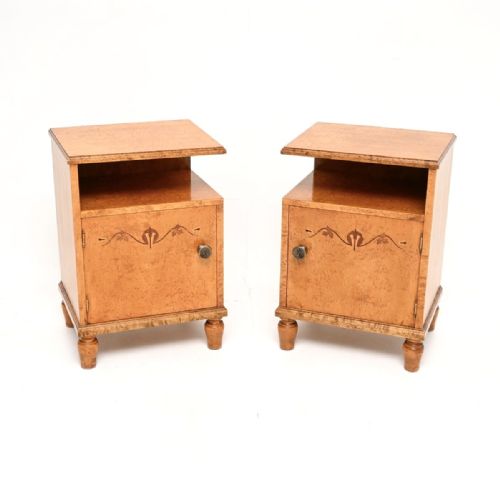
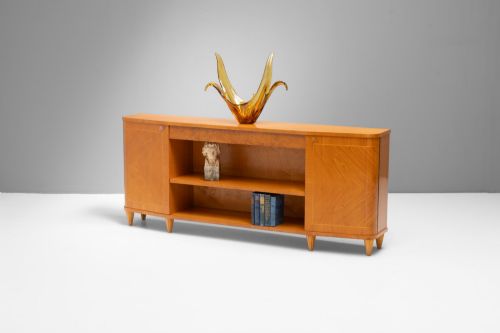
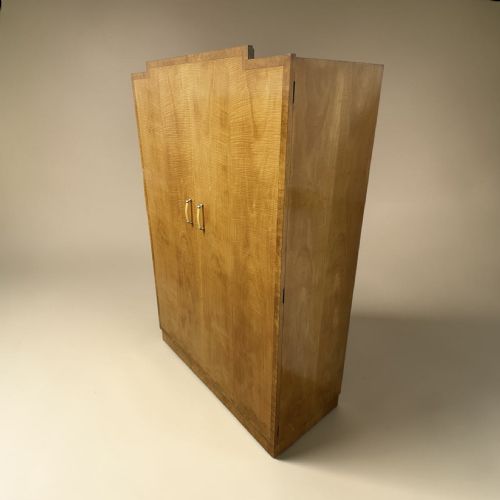
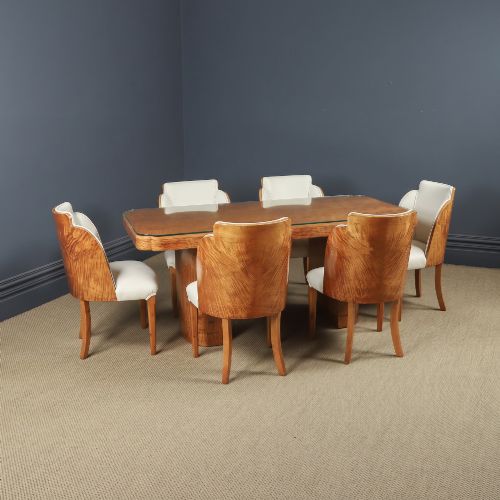
When you search for art deco satinwood furniture, you encounter pieces designed primarily during the 1920 and 1930 periods. These items range from large bedroom suites and wardrobes to smaller bedside tables and desks.
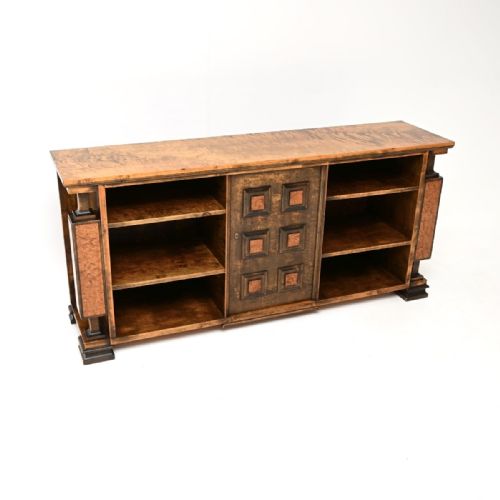
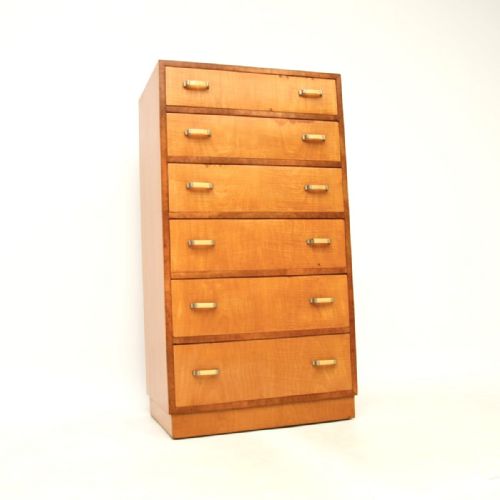
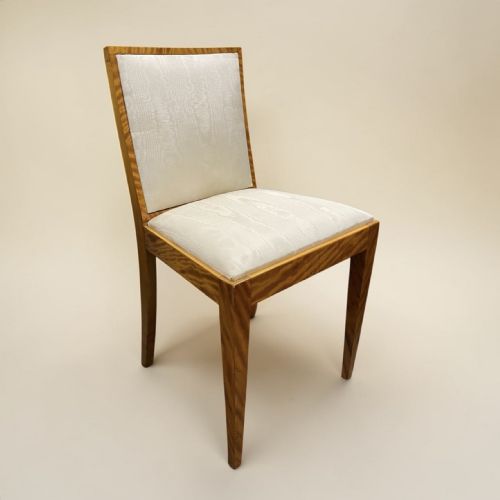
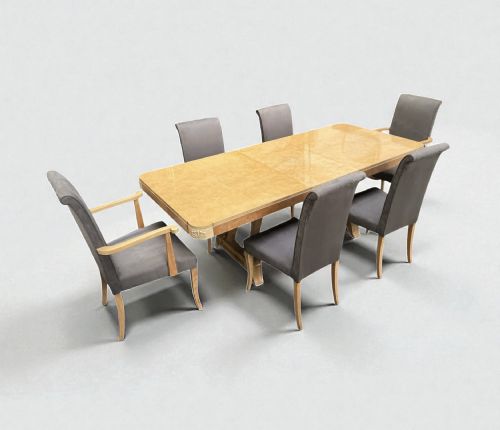
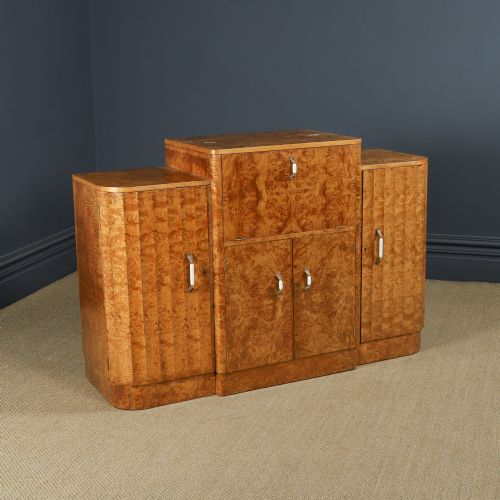
The pieces on this page heavily feature combinations of satinwood alongside contrasting timbers like walnut and macassar. Forms span dining suites, occasional chairs, chests of drawers, and fitted cocktail cabinets.
What varies in quality
Quality rests upon the selection of veneer figures and the successful contrast between satinwood and secondary timbers like walnut or maple. Expert grain matching across large surfaces distinguishes standard production from superior cabinetmaking.
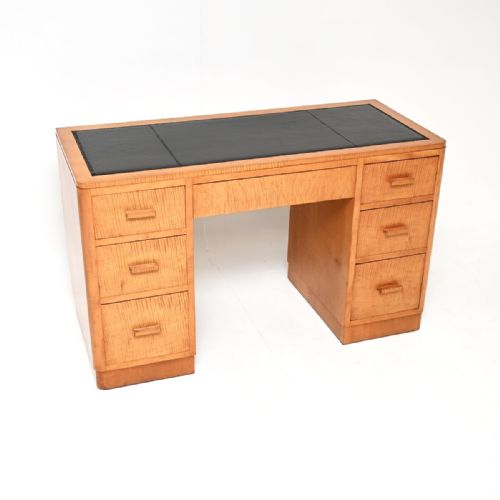
The execution of integrated materials, such as leather desk inserts or metal and bakelite hardware, dictates the overall refinement of each piece.
Hille·Bath Cabinet Makers·Harry and Lou Epstein·Heal's·Betty Joel·Jean Faure
The Art Deco Satinwood Furniture Glossary
- Satinwood
- A pale, durable hardwood with a natural sheen that forms the primary surface of these pieces. It provides a bright contrast to darker decorative veneers.
- Veneer
- A thin layer of superior timber applied over a base material to create patterned surfaces. This technique allowed makers to achieve symmetrical grain designs across cabinet doors and tabletops.
- Tallboy
- A tall chest of drawers providing vertical storage capacity. These items make efficient use of floor space while maintaining linear design themes.
- Pedestal desk
- A freestanding writing table supported by two columns of drawers. They often feature inset leather writing surfaces framed in polished timber.
Art Deco Satinwood Furniture: Frequently Asked Questions
What periods do these pieces date from?
The listed items originate primarily from the 1920 and 1930 periods, reflecting the height of the modernist design movement.
Craftsmen during this era embraced streamlined forms and innovative material combinations.
How do I care for satinwood surfaces?
Keep the timber away from direct sunlight and excessive heat to prevent the wood from drying out or fading.
Clean surfaces regularly with a soft, dry cloth and avoid harsh chemical polishes.
Are these pieces suitable for modern homes?
Their clean lines and compact proportions allow them to fit comfortably into contemporary living spaces.
Items such as bedside tables, desks, and cabinets offer practical everyday utility alongside historical character.
What woods are commonly paired with satinwood?
Walnut and maple frequently appear alongside satinwood to create visual contrast on drawer fronts and tabletops.
Macassar ebony is also utilised for deeper tone accents.