


Art Deco Powder Pot
An art deco powder pot brings the glamour of the dressing table straight to life with striking geometric forms and vivid enamels.
Art Deco Powder Pot
The objects on this page bridge multiple design movements, featuring pieces originating from British, French, Austrian, and German makers. Alongside the dominant geometric art deco style, you encounter earlier Edwardian examples and lingering art nouveau curves.
The form ranges from simple ceramic bowls to elaborate receptacles topped with half dolls, flapper figures, or Pierrot characters. Many serve double duty as powder jars and general trinket storage for dressing tables.
Materials and construction
Makers utilised a combination of sterling silver, porcelain, ceramic, and cut glass to form the bodies of these vessels. Glass cutters etched or moulded heavy crystal bases, while potteries in Limoges and elsewhere shaped fine ceramic and porcelain bowls.
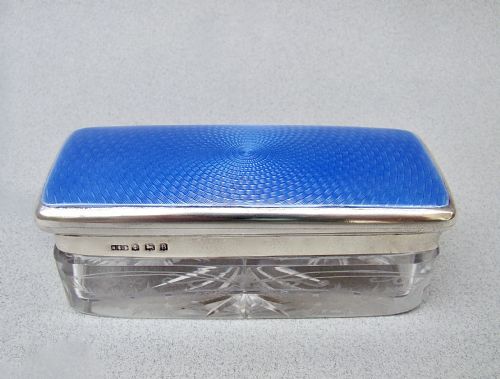
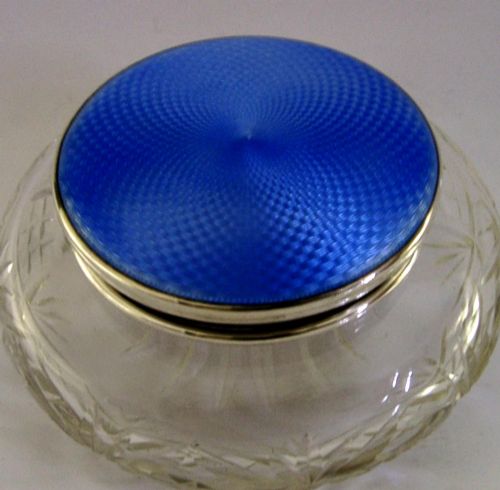
Lids frequently showcase intricate guilloche enamel work set within sterling silver mounts. Craftsmen also applied tortoiseshell and blue, pink, or white enamel directly onto silver fittings to create vibrant contrasting surfaces.
Listings feature sterling silver, porcelain, glaze, enamel, ceramic, glass, and guilloche enamel across pieces dated between nineteen ten and nineteen fifty.
Factors of quality
Quality rests heavily on the crispness of the moulded figures, such as porcelain half dolls and flapper girls, and the precision of the engine-turned guilloche enamel patterns. Superior pieces maintain vibrant, intact enamel colours without chipping and feature clear hallmarks on their sterling silver mounts.
The weight and clarity of the cut glass or crystal body distinguish finer examples from standard production wares. Intricately detailed novelties and marked French or British regional porcelain elevate a piece above simpler utilitarian counterparts.
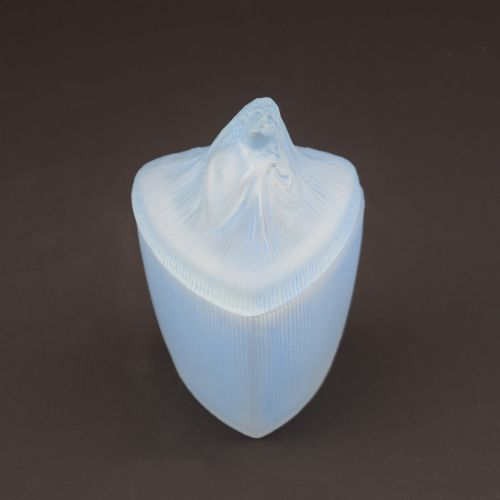
Henry Clifford Davis·Rene Lalique·Hasset & Harper
The Art Deco Powder Pot Glossary
- Guilloche enamel
- A decorative technique where an underlying metal surface is engraved with precise geometric patterns beneath a translucent enamel coating. This method creates a shimmering, engine-turned visual depth on silver lids.
- Half doll
- A ceramic or porcelain figurine moulded from the waist up, historically utilised as a decorative topper on powder brushes and powder box lids. These figures often depict flappers or styled ladies of the period.
- Sterling silver
- An alloy consisting of ninety-two point five percent silver and seven point five percent other metals, typically copper. British examples carry clear assay office hallmarks indicating the town and year of testing.
- Cut glass
- Glassware shaped and patterned by holding the material against a rotating abrasive wheel. The resulting deep facets catch the light on vanity jars and crystal boxes.
Art Deco Powder Pot: Frequently Asked Questions
What is an art deco powder pot used for?
These lidded vessels originally held loose cosmetic face powder on dressing tables during the early twentieth century. Women used them alongside matching brushes and mirrors as part of a daily vanity routine.
Today, collectors use them to store small keepsakes, pill boxes, or jewellery on modern dressing tables. Their decorative lids make them appealing display objects for bedrooms and bathrooms.
How do I date an art deco powder pot?
British silver mounts often carry assay office marks, maker's stamps, and date letters that pinpoint the exact year of manufacture. Examining the style of any figural topper, such as a flapper girl, also helps narrow the period.
Ceramic and glass pieces rely heavily on backstamps from potteries such as Limoges or stylistic cues from the nineteen twenties and nineteen thirties. Edwardian and art nouveau precursors display softer, more organic floral motifs compared to later geometric designs.
Are these powder pots made of real silver?
Many examples feature genuine sterling silver lids and mounts, which are verified by traditional hallmarks stamped directly into the metal. These marks typically show a walking lion for sterling standard alongside anchor or leopard head town symbols.
Other variations consist entirely of porcelain, ceramic, or cut glass without any metal mounts. French and German ceramic pots often rely on painted backstamps rather than metal hallmarks to indicate their origin.
How do I clean and care for a powder pot?
Dust ceramic and glass bodies gently with a soft cloth to preserve the surface finish. Avoid submerging porcelain pieces with delicate painted details in water.
Polish sterling silver mounts carefully while keeping polish away from guilloche enamel surfaces. Store the pieces away from direct sunlight to prevent fading on coloured enamel lids.