


Art Deco Powder Bowl
An art deco powder bowl holds the powder and perfumes of a dressing table, combining utility with the distinct geometry and figural design of the period.
Art Deco Powder Bowl
An art deco powder bowl sits upon the dressing table as part of a wider set of vanity accessories, designed to hold face powder and small trinkets. The most common examples take the form of ceramic or glass lidded vessels, often modelled with figures from the era.
The objects span from the nineteen-tens through the nineteen-thirties, drawing on Art Nouveau, Edwardian, and primarily Art Deco styles. Figures such as flapper girls, pierrots, jesters, and bathing belles frequently top the ceramic and porcelain lids.
Originating from workshops in France, Germany, and Austria, alongside British silversmiths, these bowls vary from simple glass jars to elaborate figural compositions. They serve both practical storage functions and display roles within dressing table arrangements.
Materials and Construction
Potters and ceramists shaped the bodies of these vessels from porcelain, earthenware, and ceramic, frequently hand-painting figures and details onto the lids. French and German factories utilised moulded glazes to achieve the smooth surfaces typical of the design style.
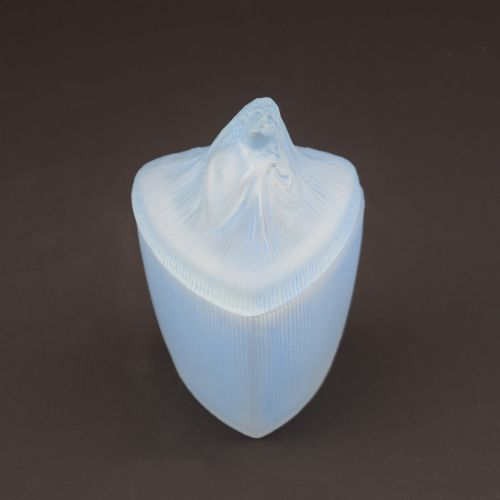
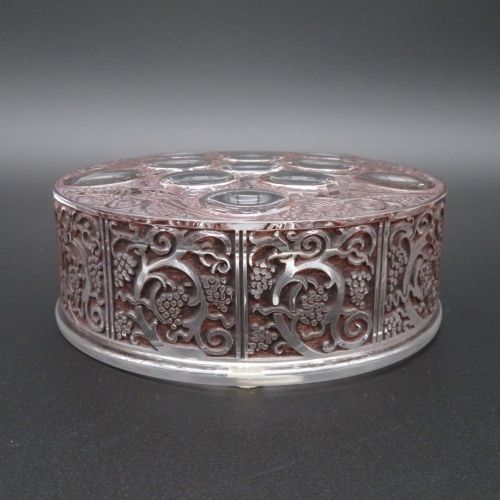
Glassmakers pressed or cut crystal and frosted glass to form heavy circular powder boxes and vanity jars. These glass bodies often paired with fitted metal lids.
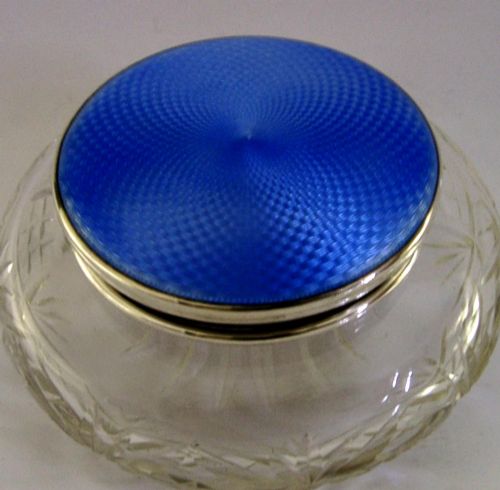
Silversmiths contributed sterling silver mounts, often decorated with blue, pink, or guilloche enamel and tortoiseshell insets. These metal tops screwed or sat snugly over glass and crystal bases.
Art Deco Powder Bowl Retail Price Guide 2026
Typical asking prices for art deco powder bowl among the pieces listed under this phrase on Sellingantiques today, from the lower quarter to the upper quarter. They describe what is for sale here now, not the wider market.
Ceramic jesters and bathing belles peer out from beneath powder puffs, guarding loose face powder with theatrical grins.
Distinctions in Execution
The finesse of the modelled figures on the lids separates standard production from finer pieces, particularly in the hand-painted expressions of flapper girls and jesters. Crisp moulding in the ceramic paste or crystal preserves the sharp lines characteristic of the design style.
The weight and clarity of the cut glass or crystal base indicate the standard of manufacture, alongside the depth and retention of enamel work on silver lids. Intricately worked guilloche patterns and well-fitted sterling silver mounts demonstrate superior craftsmanship.
Rene Lalique·Limoges
The Art Deco Powder Bowl Glossary
- Guilloche enamel
- A decorative technique involving precise, intricate mechanical patterns engraved beneath translucent enamel. It appears frequently on silver lids.
- Half doll
- A ceramic torso without legs, originally designed to sit atop brush handles or powder box lids with fabric skirts spreading below. They depict figures like flapper girls and pierrots.
- Frosted glass
- Glass treated to impart a matte, translucent surface, often utilised by glassmakers to create sculptural relief details on boxes.
- Sterling silver
- An alloy of silver containing ninety-two point five percent silver by mass, used for the lidded mounts and rims of crystal jars.
- Dressing table accessories
- The collective category of items used for personal grooming and cosmetics, including powder bowls, perfume bottles, and trinket boxes.
Art Deco Powder Bowl: Frequently Asked Questions
What were art deco powder bowls used for?
These bowls held loose face powder on dressing tables before the widespread use of compacts. Women used powder puffs to apply the cosmetic during daily grooming routines.
They also served to store small trinkets, pins, and jewellery alongside matching perfume bottles and vanity items.
How do I date an art deco powder bowl?
Most pieces date from the nineteen-twenties and nineteen-thirties, reflecting the aesthetic of the interwar period. Earlier examples from the nineteen-tens retain Edwardian or Art Nouveau curves before geometric lines took over.
Silver mounts often bear British hallmarks with date letters, while ceramic pieces rely on factory marks and stylistic clues like flapper clothing.
Are the powder puffs usually original?
Original powder puffs rarely survive in usable condition due to the fragile nature of fabric and down over decades of cosmetic use. Most bowls are found and collected without them.
Replacement puffs are often placed inside for display purposes, but collectors primarily focus on the condition of the ceramic, glass, or silver vessel itself.
How do I display a powder bowl safely?
Display these bowls on flat, stable surfaces away from high-traffic edges where lids might get knocked off. Glass and ceramic lids often rest loosely on the base without threaded closures.
Keep them out of direct sunlight to protect coloured enamel work and painted ceramic details from fading over time.