


Art Deco Period Jewellery
Art deco period jewellery brings together geometric forms, precious stones, and fine metalwork that collectors prize for distinct period style.
Art Deco Period Jewellery
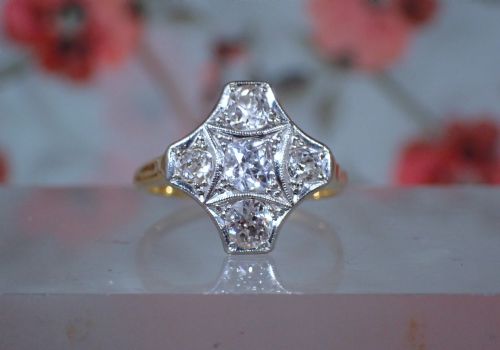
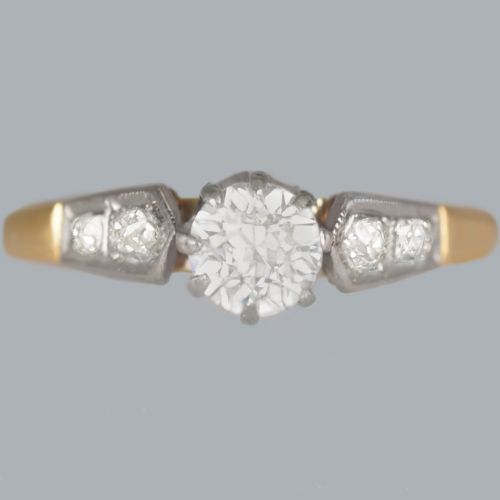
Art deco period jewellery encompasses wearable pieces and small boxes created during the height of the style and in subsequent decades. Rings form the most common choice on this page, accompanied by brooches, bracelets, necklaces, and trinket boxes.
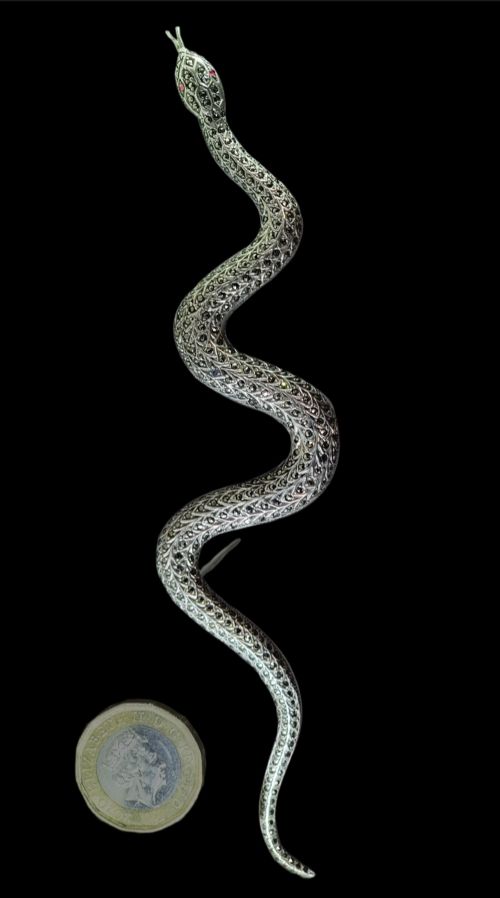
The objects span origins including France and Austria alongside British examples. Pieces range from diamond and sapphire rings to sterling silver and marcasite brooches, reflecting the varied output of the era.
How they were made
Goldsmiths and jewellers utilised 18ct yellow gold and platinum as primary foundations for gemstone settings. Sterling silver and bronze appear in brooches and boxes, while marcasite provides glittering surface detail without precious stones.
Gemstone selection relies on old European cut diamonds, emeralds, and natural or cultured pearls, alongside blue sapphires. Articulation in bracelets allows the metal to drape fluidly around the wrist while maintaining rigid geometric patterns.
Materials span platinum, 18ct yellow gold, sterling silver, bronze, diamonds, emeralds, sapphires, marcasite, and pearls.
What varies in quality
The calibre of stones dictates the upper tier of the range, visible in larger carat weights of diamonds and emeralds set alongside platinum. Simpler silver and marcasite pieces represent a more accessible standard of execution.
Complexity of construction separates standard items from superior examples, particularly in articulated bracelets and multi-stone cluster rings. The integration of contrasting metals like yellow gold and platinum alters the visual depth of the mount.
The Art Deco Period Jewellery Glossary
- Old European cut diamond
- A traditional diamond cut characterised by a small table, high crown, and large culet, prevalent in jewellery from this era. This facet arrangement gives stones a distinctive warmth under candlelight.
- Marcasite
- Small, faceted pieces of pyrite set into silver to imitate the sparkle of diamonds. This material offers textural contrast in brooches and decorative items.
- Articulated
- Built with flexible joints between segments so that a bracelet or pendant moves fluidly against the body. This technique requires precise metalwork to conceal the hinges.
- Cluster ring
- A ring design featuring a central gemstone surrounded by a border of smaller stones. This arrangement maximises visual impact and light return.
Art Deco Period Jewellery: Frequently Asked Questions
What defines art deco period jewellery?
These pieces draw on geometric lines, symmetrical patterns, and industrial influences that emerged during the early decades of the twentieth century. Makers combined platinum and gold with diamonds, sapphires, and emeralds.
The aesthetic rejects Victorian floridity in favour of sharp angles and stylised motifs. This design language persists across rings, brooches, necklaces, and boxes.
How do I wear these pieces?
Rings and bracelets work well for daily wear provided you check the security of the stone settings. Brooches attach securely to lapels, scarves, or hats to add a period accent to modern attire.
Larger cluster rings and necklaces suit evening wear where their scale can be fully appreciated. Trinket boxes serve a functional purpose on a dressing table while displaying period craftsmanship.
How can I tell the period?
Dating relies on material combinations such as platinum paired with 18ct yellow gold, alongside characteristic cuts of stones like the old European diamond cut. Hallmarks and country of origin indicators provide further historical context.
Stylistic markers include the rigid geometry of tank bracelets and the use of marcasite set in sterling silver. These elements align with production methods from the 1920s and 1930s.
Were these items used daily?
Jewellery items served as personal adornment for social occasions, everyday wear, and formal events. Necklaces, rings, and bracelets accompanied fashionable outfits of the era.
Boxes and trinket containers remained on dressing tables to hold smaller accessories and keepsakes. Their durable construction in bronze, silver, and gold ensured longevity.