




Art Deco Opaline Lighting
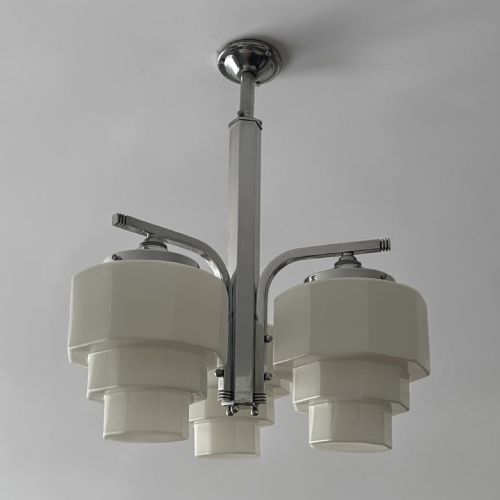
Art deco opaline lighting brings a soft, diffused glow to a room through milky glass paired with metal mounts.
Art Deco Opaline Lighting
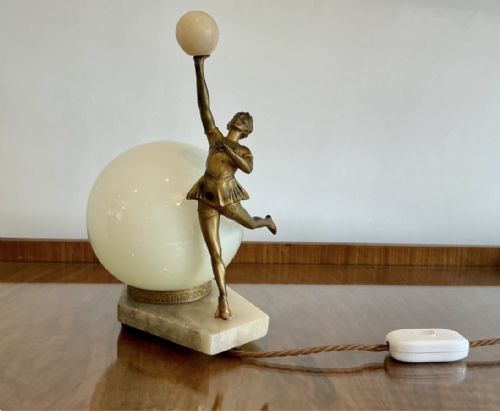
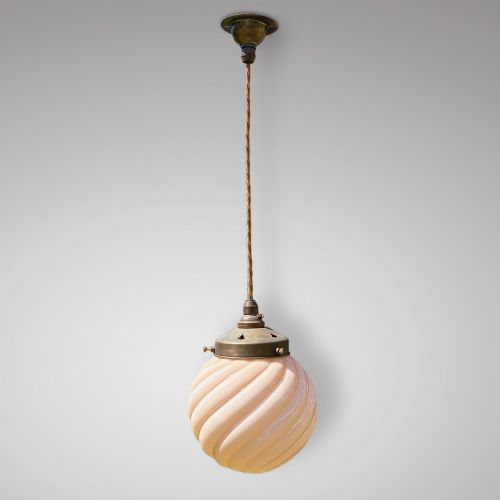
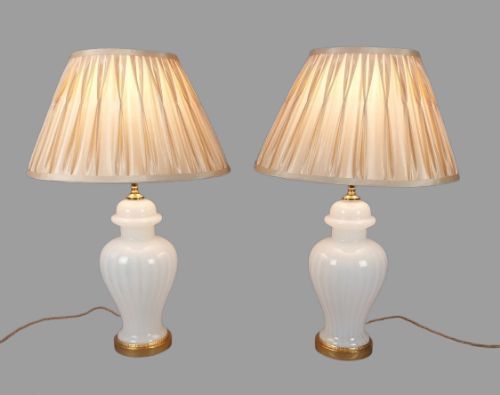
Art deco opaline lighting encompasses both hanging fixtures and table lamps designed to cast a gentle, glare-free illumination. Buyers seeking art deco opaline lighting will find a selection originating chiefly from the nineteen twenties and nineteen thirties.
The objects listed here span several functional forms, including pendant lights, ceiling shades, table lamps, and desk lamps. Many examples hail from France, featuring distinct geometric or figural elements typical of the period.
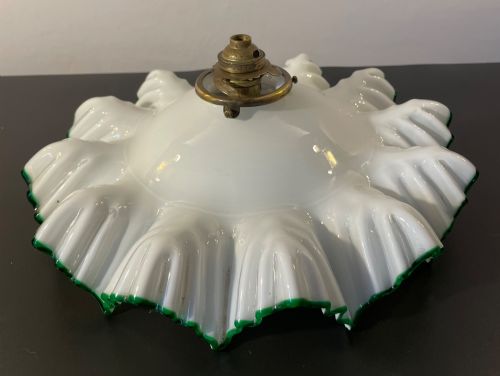
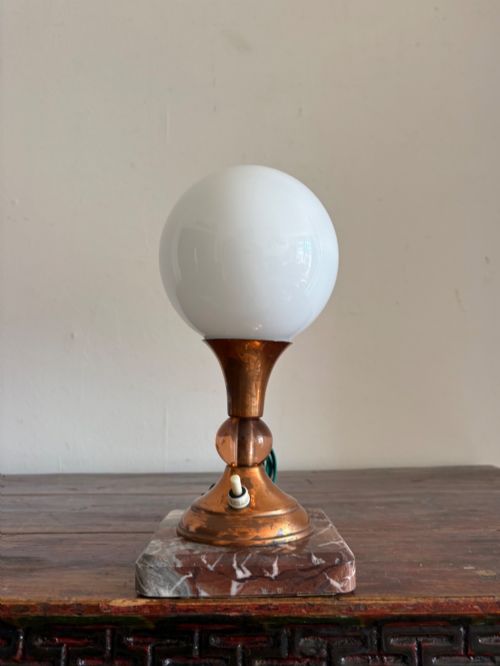
The primary material uniting these pieces is opaline glass, frequently shaped into conical, pear-shaped, dish, or fish scale profiles. These shades are mounted on bases or hung from fixtures constructed from brass, chrome, copper, and marble.
Materials and construction
Opaline glass forms the visual heart of these fixtures, created by adding opacifying agents to the molten batch to achieve a milky, translucent white appearance. This glass is blown or pressed into specific moulds, producing smooth surfaces or textured designs like reeded and fish scale patterns.
Metal components such as brass, chrome, copper, and gilt brass provide the structural support and hanging hardware. These metals are often worked into twisted stems, plain mounts, or combined with solid bases of marble and granite.
Among the glass shades, a few unusual examples take the form of fish scales and nesting seagulls.
Judging quality and character
Quality in these lighting fixtures rests on the density and evenness of the opaline glass, alongside the precision of the metal casting and turning. Superior examples display harmonious proportions between the glass shade and the supporting metal or stone base.
The distinction between standard production items and finer pieces lies in the detailing of mounts, such as cast brass figures, mottled glass effects, or combination bases using marble and granite rather than plain metal alone.
The Art Deco Opaline Lighting Glossary
- Opaline glass
- A type of semi-opaque glass with a milky white appearance that diffuses light evenly without harsh glares. It was widely utilised in twentieth-century lighting for both decorative and functional lamps.
- Pendant light
- A hanging lighting fixture suspended from the ceiling by a cord, chain, or metal rod. These direct illumination downwards into a room or hallway.
- Reeded design
- A surface decoration consisting of parallel, rounded projecting lines or ridges. This texture adds visual interest and catches the light differently than a smooth surface.
- Spelter
- An alloy of zinc used as a cheaper substitute for bronze or brass in decorative metalwork and lamp bases. It is typically electroplated or painted to resemble more costly metals.
Art Deco Opaline Lighting: Frequently Asked Questions
What is opaline glass?
Opaline glass is a semi-opaque, milky white material designed to soften and diffuse light evenly across a space. It became extremely popular in twentieth-century lighting fixtures for its clean appearance and warm glow.
Unlike clear glass, it conceals the bulb while maximising the spread of illumination, making it both practical and decorative for interior settings.
Where were these lights made?
Many of the lighting fixtures from this period originate from France, known for distinctive decorative arts during the nineteen twenties and thirties. French makers combined milky glass shades with bases of marble, brass, and copper.
These pieces reflect the broader design movements of the interwar years, blending industrial materials with artistic styling.
How do I hang a pendant light?
Pendant lights suspend from the ceiling using a cord, chain, or rigid rod to illuminate specific areas like hallways or dining spaces. Installation typically requires securing the fixture to an electrical junction box in the ceiling.
Given the age of vintage wiring, professional rewiring is standard practice to ensure safety and compliance with modern electrical standards.
What metals were used for bases?
Makers utilised a variety of metals including brass, chrome, copper, and spelter for the structural elements of these lamps. These materials were often polished, gilt, or twisted into decorative shapes like spiral stems.
Heavier bases frequently incorporated natural stones such as marble and granite to anchor table lamps securely.