



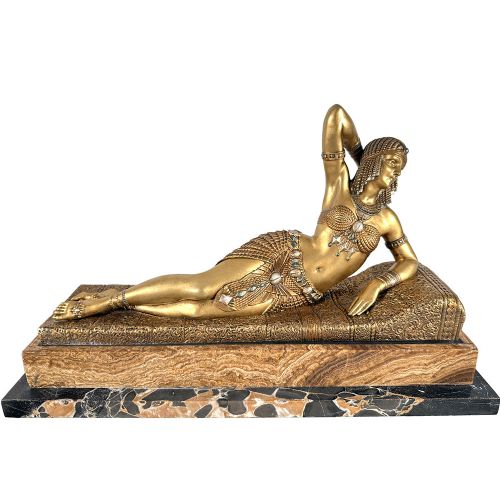


Art Deco Onyx Statue
An art deco onyx statue brings together polished stone plinths and dynamic figures that capture the spirit of the interwar period.
Art Deco Onyx Statue
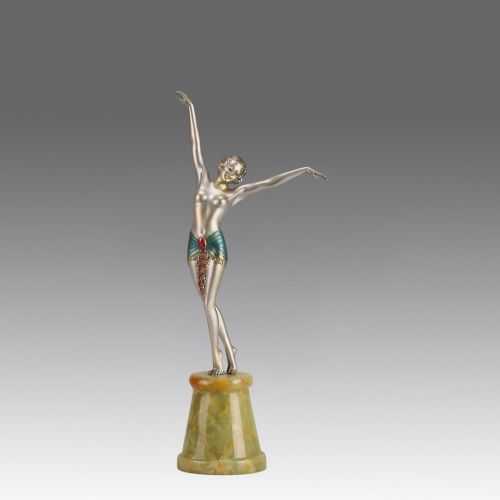
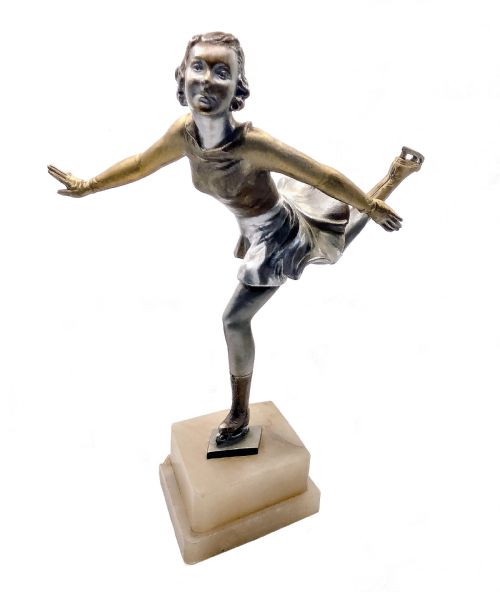
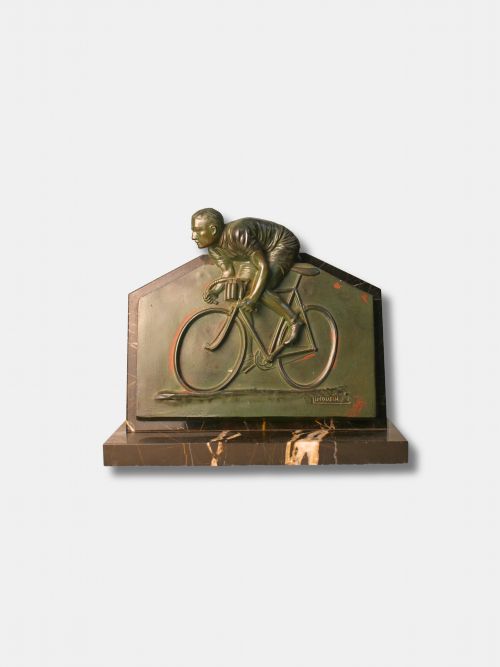
An art deco onyx statue presents metal or chryselephantine figures mounted on heavy stone bases, most frequently taking the form of dancers, female nudes, athletes, and animals. These works date primarily from the nineteen twenties and nineteen thirties, reflecting the distinctive design language of the period.
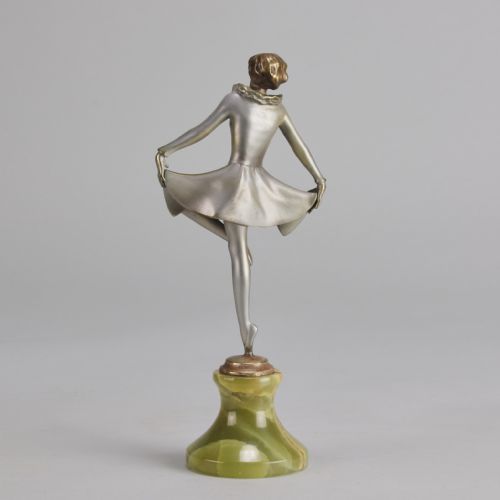
The figures themselves stand upon slabs of banded stone, which serve to anchor the composition and provide a contrasting natural texture. On this page, the pieces range from detailed figural groups and table lighters to single dancers set firmly on rectangular or stepped plinths.
Materials and construction methods
The structural foundation relies on carved stone plinths, paired with figures cast in bronze, silvered bronze, gilt bronze, cold-painted metal, or spelter. Many of these metal components receive hand-applied polychrome finishes to accentuate drapery and costume details.
Makers utilised casting techniques suited to both precious bronze and more commercial metal alloys, often combining materials within a single composition. The resulting metalwork is then secured directly to the polished stone base using threaded bolts or pins.
Several ladies balance on one toe while anchored to heavy stone, defying gravity with permanent poise.
Assessing quality in the figures and bases
The integrity and figuring of the stone plinth also dictate the standard of the piece, with well-cut, unblemished onyx providing a stable and harmonious foundation for the sculpture above.
Josef Lorenzl·Demetre Chiparus·Claire Colinet·Pierre Le Faguays·Bruno Zach·Geo Maxim
The Art Deco Onyx Statue Glossary
- Spelter
- A zinc-based alloy commonly utilised as a cost-effective alternative to bronze for sculptural casting during the period. It accepts patination and cold-painted finishes readily.
- Chryselephantine
- A term describing statues made from a combination of metal and carved ivory. This technique highlights the face, hands, and limbs of the human figures.
- Cold-painted
- A method where paint is applied to metal without subsequent heat-firing. This fragile surface finish requires careful handling to preserve the original colours.
- Patinated metal
- Metal treated with chemical solutions to produce a specific surface colour or aged appearance. This process protects the underlying alloy while enhancing visual depth.
Art Deco Onyx Statue: Frequently Asked Questions
How do I identify a spelter figure?
Spelter is a softer, lighter zinc alloy than bronze, often identifiable by areas where the surface finish has worn to reveal a grey metal underneath. It served as a common medium for figures mounted on stone plinths.
These pieces capture the same dynamic forms as their bronze counterparts.
Where should I place an onyx statue?
Position the statue on a stable surface away from direct sunlight and moisture to protect cold-painted surfaces and the polished stone base. Heavy plinths require firm support on a table or cabinet.
Allow enough surrounding space to view the figural composition from multiple angles.
What periods do these sculptures date from?
The listed works date from the nineteen twenties and nineteen thirties, spanning the height of the art deco movement. Their subjects reflect the modern dance, sports, and fashion of those decades.
Design choices from this era emphasise clean lines and stylised human forms.