


Art Deco Mirror Tray
An art deco mirror tray brings functional elegance to a room, catching the light with mirrored glass and polished metal.
Art Deco Mirror Tray
An art deco mirror tray functions as a serving piece for drinks, wine, and decanter sets, or sits upon a sideboard to reflect light. These items appear across the decades from the nineteen-tens through the nineteen-thirties, reflecting the shifts in design of the period.
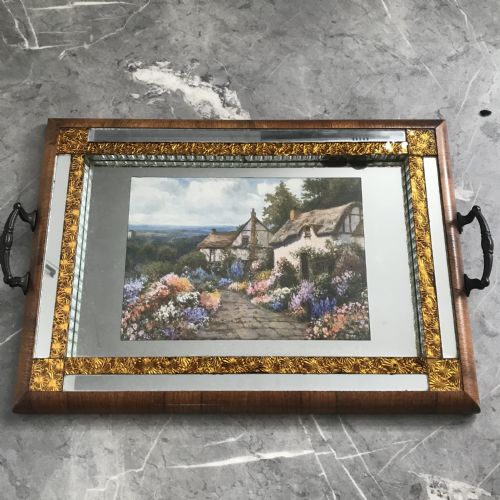
The most common version met on this page is the cocktail or drinks tray, often formed with mirrored glass bases and fitted with handles made of chrome, copper, or silver plate.
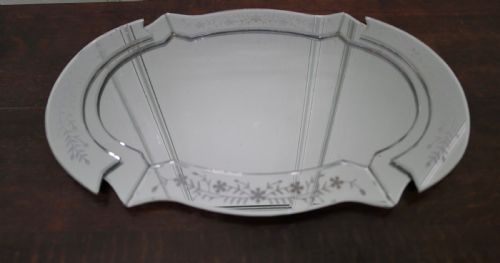
Beyond standard serving forms, the selection includes pieces that double as wall mirrors or display stands, incorporating octagonal shapes and scalloped edges.
How they were made
Makers combined reflective mirror plate and glass with structural elements of chrome, metal, and silver plate to build durable serving surfaces. Wood foundations, notably walnut veneer, provide sturdy backing and warm contrast to the cold gleam of the glass.
Decoration relied heavily on surface work, utilising Venetian cutting techniques and etching directly onto the glass. Metal components were shaped into practical handles and raised borders to contain glassware.
Some items double as sorcerers' mirrors, proving that art deco practicality occasionally enjoyed a brush with the occult.
What varies in quality
The distinction between standard examples and finer pieces rests on the complexity of the glasswork and the choice of frame materials. Intricate Venetian cutting and delicate etching demand high levels of artisan skill compared to plain mirrored bases.
The integration of supportive elements such as substantial walnut veneer frames or heavy silver plating separates utilitarian items from more decorative sideboard trays.
Mosey
The Art Deco Mirror Tray Glossary
- Venetian cut glass
- Glass featuring hand-cut decorative patterns that catch and refract light across the surface. This technique adds depth and texture to the mirror plate.
- Silver plate
- A thin layer of silver applied over a base metal foundation to give the appearance of solid silver. It provides a bright finish suited for serving wares.
- Walnut veneer
- A thin slice of walnut wood applied over a secondary timber base for decorative effect. It brings natural grain patterns to the edges of the tray.
- Mirror plateau
- A mirrored tray traditionally used as a centrepiece on a dining table or sideboard to display decanters and glassware. The reflective surface magnifies the objects placed upon it.
Art Deco Mirror Tray: Frequently Asked Questions
What were art deco mirror trays used for?
These trays served primarily for holding decanter sets, wine glasses, and cocktail paraphernalia on sideboards and tables.
Beyond functional drink service, their reflective glass surfaces were utilised to bounce light around a room or display decorative objects.
How do I clean an old mirror tray?
Maintenance requires gentle cleaning of the glass surface using a soft cloth and mild glass cleaner, taking care not to let moisture seep behind the silvering.
Metal handles and wooden borders benefit from appropriate polishes applied sparingly to preserve the original finish without causing damage.
Can these trays be used for serving drinks?
They function well for carrying cocktail glasses and decanters, provided the handles and structure remain sturdy.
Many collectors prefer to keep them stationary as decorative display pieces on a sideboard to protect the antique glass and silver plating from wear.
How do I date an art deco mirror tray?
Dating relies on observing material combinations, such as the shift from early walnut veneer frames to later chrome and mirrored glass combinations.
Stylistic cues like etched motifs and the presence of maker marks or specific regional origins help narrow down the decade of production.