



Art Deco Metalwork
Art deco metalwork brings strong geometric lines and rich patination into a room, offering functional objects built with enduring industrial craftsmanship.
Art Deco Metalwork
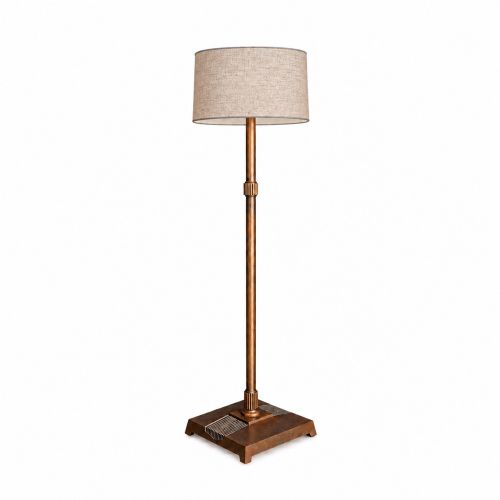
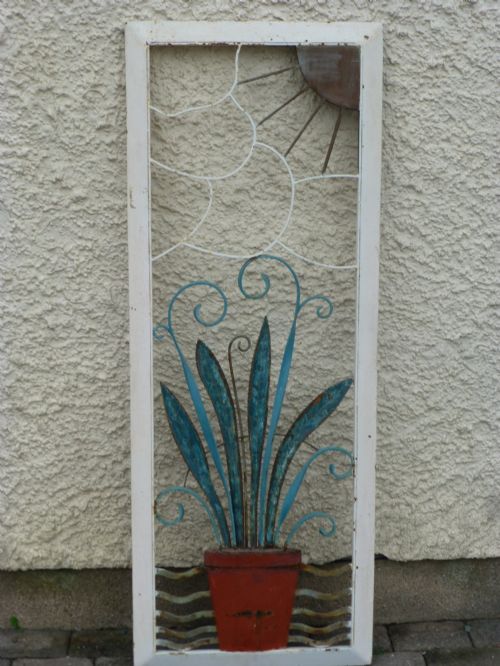
Art deco metalwork encompasses a striking array of decorative and functional objects designed primarily during the early twentieth century. When exploring art deco metalwork, buyers encounter everything from monumental architectural screens and floor lamps to intricate desk boxes and tableware.
The pieces on this page span the 1900s through the 1930s, capturing the transition from organic curves into sharp modern geometry. Dutch School and Amsterdam School pieces feature prominently, alongside British and continental workshops.
Practical forms dominate the selection, including heavy pricket candlesticks, sturdy log bins, and refined vases. Each piece reflects the material experimentation of its decade, utilising diverse metals to create bold interior accents.
Methods and Materials
Craftsmen utilised a diverse palette of metals, combining copper, brass, bronze, steel, and wrought iron to achieve contrasting tones and textures. Patinated metal finishes and hammered surfaces give these objects depth, highlighting the tactile nature of early twentieth-century metalworking.
Techniques ranged from precision casting in bronze and spelter to hand-beating dinanderie copper vessels and forging architectural ironwork. Structural elements often integrated mixed metals, pairing warm brass details with dark iron frames or mounting chrome upon sturdy bases.
Art Deco Metalwork Retail Price Guide 2026
Typical asking prices for art deco metalwork among the pieces listed under this phrase on Sellingantiques today, from the lower quarter to the upper quarter. They describe what is for sale here now, not the wider market.
Listings feature items spanning four decades from 1900 to 1930, demonstrating the transition from early art nouveau styling into full art deco geometry.
Judging Quality
Quality in these pieces rests upon the precision of the metalworking and the integrity of the surface patination. Superior examples display crisp chasing, secure joinery, and substantial weight rather than thin stamped construction.
Makers who signed their work or belonged to notable guilds generally maintained higher standards of design and execution. The subtlety of applied patination and the harmony of mixed metals further distinguish finer workshop production from standard commercial output.
Raymond Subes·W M F·Beldray Ltd·The Birmingham Guild
The Art Deco Metalwork Glossary
- Pricket candlestick
- A candleholder featuring a sharp central spike designed to secure the base of a wax candle rather than a socket. These often appear in heavy brass or copper configurations from the early twentieth century.
- Dinanderie
- A traditional term for decorative brass or copper objects, typically beaten or engraved. The method produces textured vessels with rich surface character.
- Spelter
- An alloy based on zinc, frequently cast into decorative figures and patinated to resemble bronze. It offered a more accessible medium for sculptural domestic items.
- Amsterdam School
- An architectural and design movement known for expressive brickwork, rounded masonry forms, and rich metal detailing. Metalwork from this tradition utilises strong silhouettes and warm-toned alloys.
- Taza
- A shallow cup or chalice raised on a slender stem and foot, used for display or serving. These items highlight the fine silversmithing and metal-spinning skills of the period.
Art Deco Metalwork: Frequently Asked Questions
What metals are most common?
Copper, brass, and bronze dominate the selection, often finished with dark patination or polished highlights. Iron and steel also appear frequently in structural pieces and companion sets.
Makers chose these materials for their durability and how well they responded to hammering, casting, and chemical colouring techniques.
How do I clean patinated metal?
Original patination should be preserved rather than scrubbed away, as it contributes significantly to the character and age of the piece. Dust gently with a dry microfiber cloth and avoid abrasive chemical polishes.
Applying a very light microcrystalline wax can protect vulnerable steel and copper surfaces from further oxidation without altering the appearance.
How do I date an art deco piece?
Stylistic shifts provide the clearest timeline, moving from floral art nouveau curves toward the rigid symmetry and stepped geometries of the 1920s and 1930s. Maker marks, guild stamps, and registration numbers also help pinpoint the exact decade of manufacture.
Material choices changed over time as well, with chrome and steel gaining popularity alongside traditional copper and brass.