






Art Deco Makeup Vanity
An art deco makeup vanity brings striking geometric lines and rich timber grains into a bedroom, offering a dedicated space for daily preparation.
Art Deco Makeup Vanity
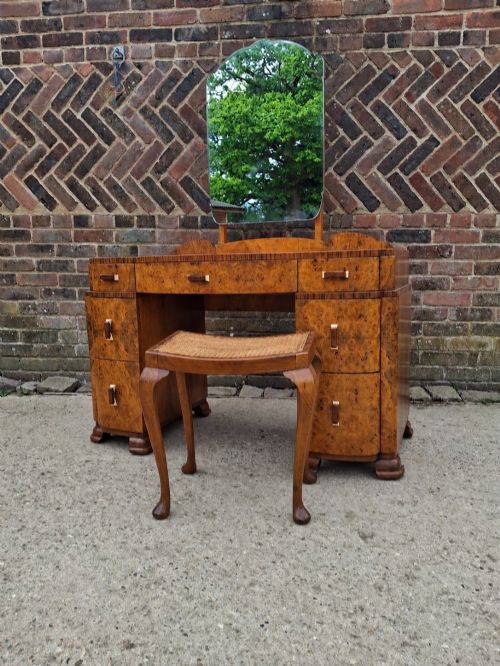
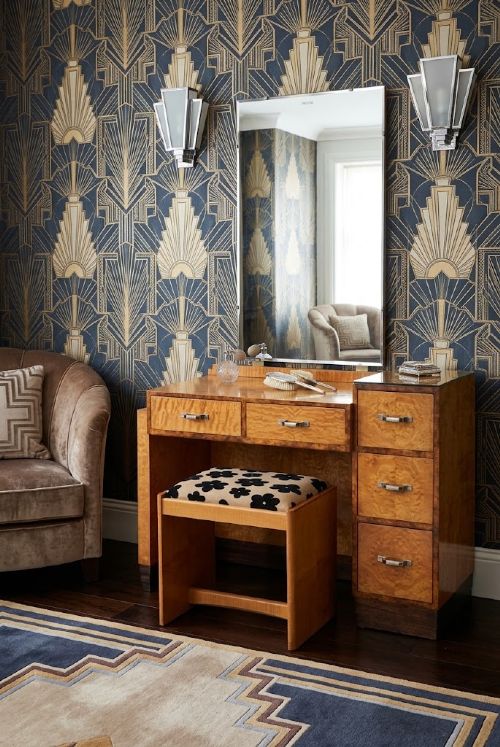
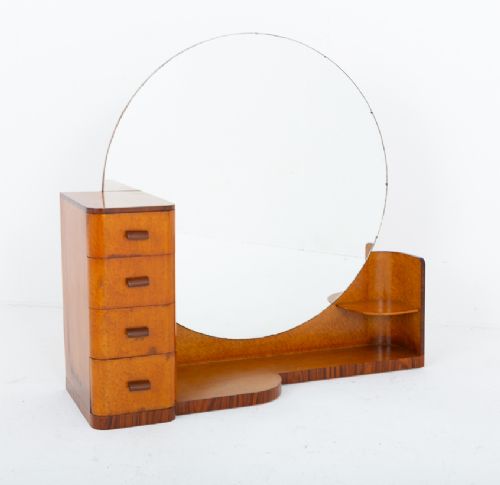
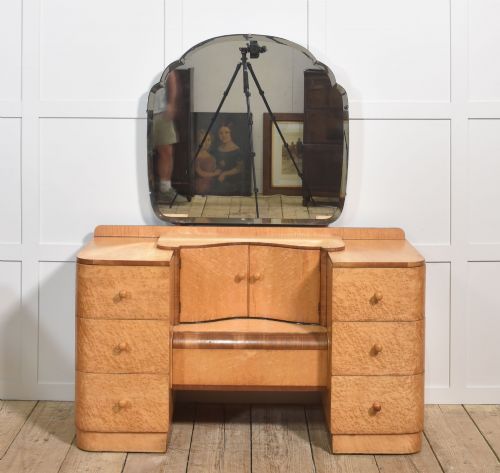
An art deco makeup vanity encompasses large freestanding dressing tables alongside smaller handheld and pocket accessories like powder compacts and vanity cases. The larger furniture pieces frequently incorporate attached mirrors, pedestal drawers, and matching stools.
Most examples originate from the nineteen thirties, though related compacts and dressing pieces appear from the nineteen twenties and nineteen hundreds. Walnut, burr walnut, and birds eye maple dominate the larger wooden furniture forms.
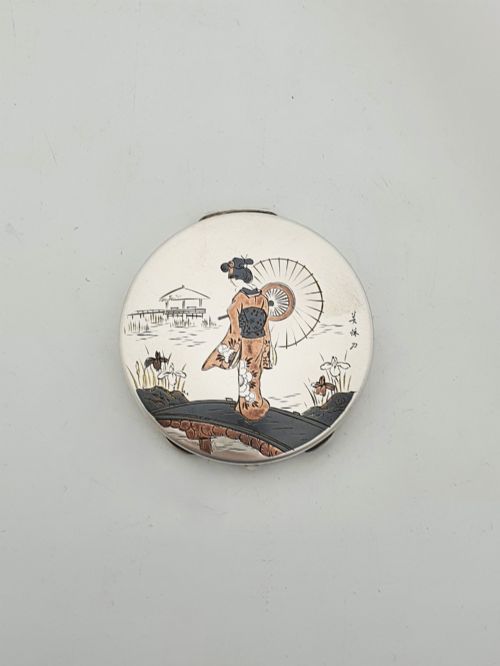
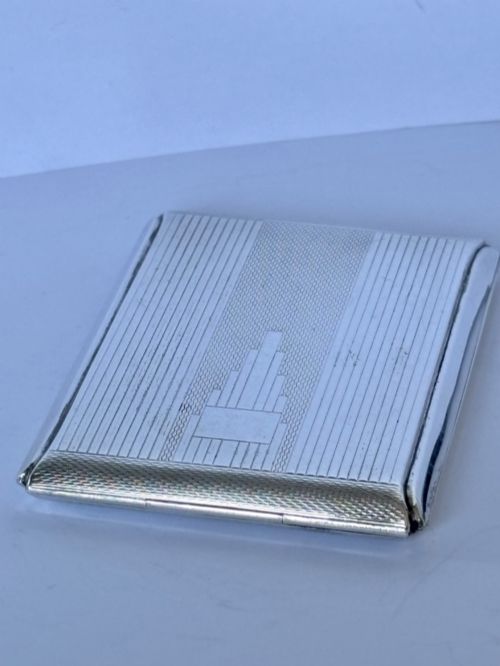
Smaller portable items such as compact cases utilise metal, glass, enamel, and occasionally Chinese export silver. These smaller vanity objects complement the larger dressing tables and chests found within the period.
Materials and construction
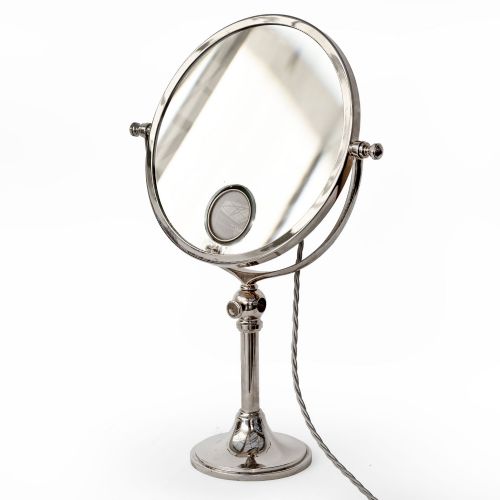
Cabinetmakers utilised figured veneers like burr walnut, birds eye maple, and sycamore over solid timber carcasses to create striking grain patterns on drawer fronts and surfaces. Chrome, brass, and mirror glass were integrated to provide reflective surfaces and metallic contrast.
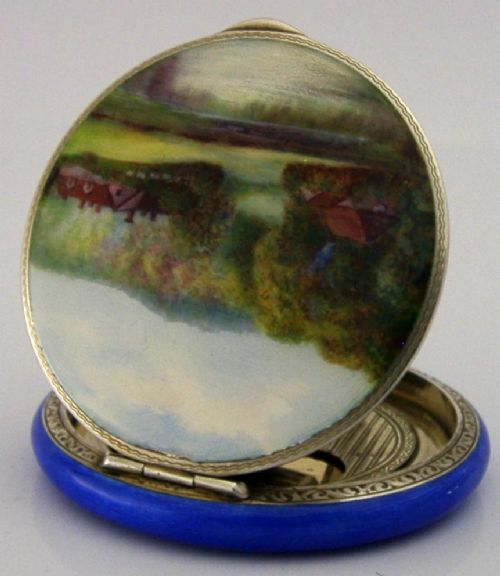
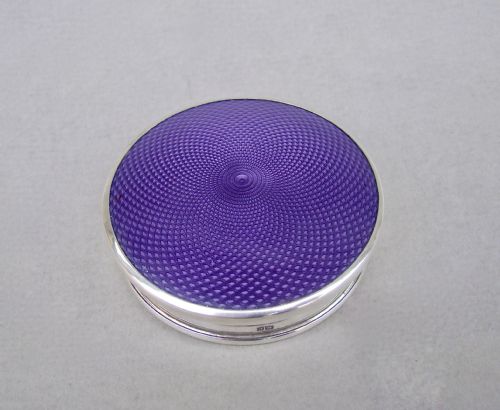
Compact cases and vanity mirrors combine stamped metal, celluloid, and bakelite with hand-painted or fired enamel panels in blue and other colours. Suede linings frequently finish the interior of mesh compacts and vanity cases.
Art Deco Makeup Vanity Retail Price Guide 2026
Typical asking prices for art deco makeup vanity among the pieces listed under this phrase on Sellingantiques today, from the lower quarter to the upper quarter. They describe what is for sale here now, not the wider market.
Some nineteen thirties compacts feature two separate faces painted on the lid to catch the eye.
Distinguishing quality
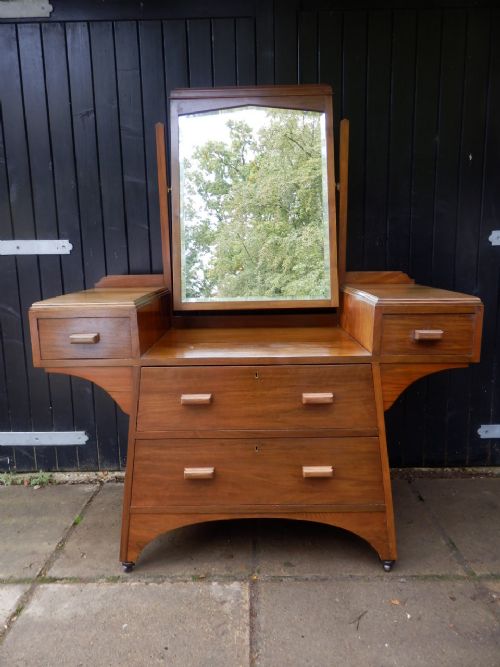
The selection of wood veneers dictates the visual appeal of a dressing table, with matched burr walnut and birds eye maple creating harmonious symmetrical patterns across multiple drawers. Pieces designed by notable cabinetmakers demonstrate superior joinery and thoughtful proportions compared to standard production items.
Enamel work on compacts and vanity cases varies from simple painted decoration to intricate guilloche patterns beneath translucent coloured glass. The weight of the metal and the precision of the hinge action separate fine compacts from simpler everyday items.
Maurice Adams·Harry and Lou Epstein·Richard Hudnut·Daniel Manufacturing Co·Rowley Gallery·Betty Joel·Evans
The Art Deco Makeup Vanity Glossary
- Burr walnut
- A prized timber veneer showing swirling knot formations and rich grain patterns. It forms the primary decorative surface on many nineteen thirties dressing tables.
- Guilloche
- An intricate mechanical engraving technique that etches precise geometric patterns into metal. This design is frequently covered with translucent enamel on compacts.
- Pedestal dressing table
- A large vanity furniture piece featuring banks of drawers on one or both sides beneath a central mirror. These units provide substantial storage for personal items.
- Bakelite
- An early synthetic thermosetting plastic utilised for handles, compact frames, and decorative trim. It appears frequently in nineteen thirties vanity accessories.
- Combination compact
- A multi-functional vanity case housing spaces for powder, lipstick, and mirrors within a single metal enclosure. These items date primarily to the nineteen thirties.
Art Deco Makeup Vanity: Frequently Asked Questions
What fits on an art deco makeup vanity?
These dressing tables typically accommodate matching mirrors, small porcelain dishes, and period powder compacts.
The surface space allows for daily grooming items while maintaining the clean geometric lines characteristic of the style.
How do I care for burr walnut veneer?
Keep wooden vanity surfaces away from direct sunlight and excessive moisture to prevent the veneer from lifting or fading.
Regular dusting with a soft dry cloth preserves the polished finish of nineteen thirties timber pieces.
Are compacts from this period usable today?
Many vintage powder compacts retain their original mirrors and interior compartments, though interior powder residues should be cleaned gently.
They function well as decorative display objects or as portable accessories in daily use.
How do I identify nineteen thirties pieces?
Look for symmetrical wood veneers, waterfall edges, and chrome or brass hardware that define the aesthetic of the era.
Pedestal dressing chests and blue enamel compacts are characteristic forms from this decade.