





Art Deco Lustre Bowl
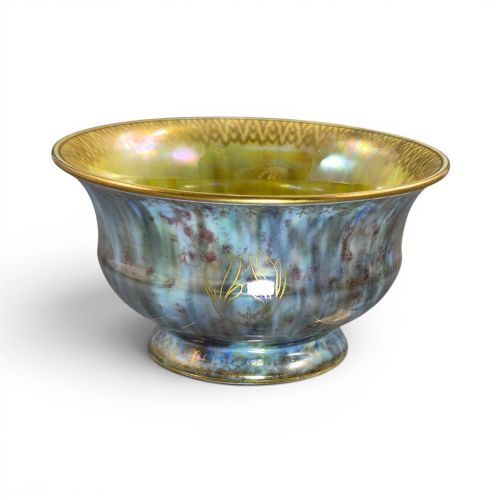
An art deco lustre bowl brings an iridescent metallic sheen and geometric form into a room, catching the light with rich colour.
Art Deco Lustre Bowl
An art deco lustre bowl is a decorative vessel defined by a metallic or iridescent glaze finish that shifts in the light. When you search for an art deco lustre bowl, you are looking at items produced across the early twentieth century, spanning Edwardian origins through the 1920s and 1930s.
The selections here are predominantly decorative bowls created in earthenware, bone china, and porcelain. Forms range from large octagonal pieces to miniature bowl sets and fruit bowls.
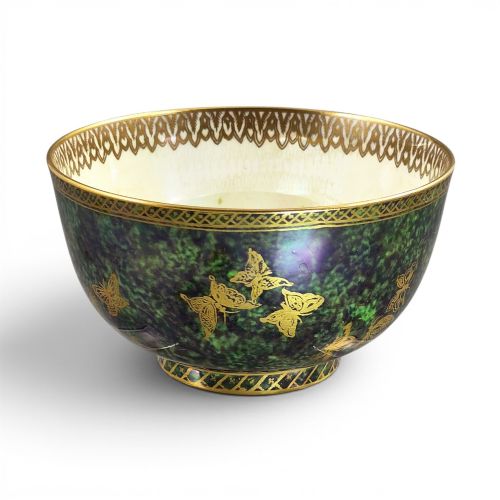
You will frequently encounter notable decorative themes on these pieces, including dragons, butterflies, fruit, and floral tulip patterns. Many items embody the distinctive aesthetic of the period alongside earlier Art Nouveau influences.
How they were made
Makers shaped these vessels from earthenware, bone china, and porcelain before applying specialised lustre glazes. This chemical application reacts in the kiln to produce an oil-slick iridescence.
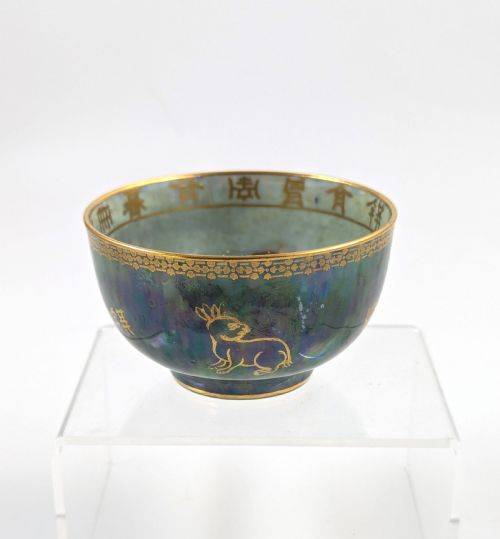
Decoration was further enhanced through the application of gold leaf, gilt, and gold gilding. These metallic highlights frame intricate painted motifs such as coiling dragons and phoenixes.
Kiln techniques allowed workshops to achieve deep mottled orange backgrounds alongside rich greens and blues. The interaction between the base glaze and metallic pigments creates the signature shimmer.
Art Deco Lustre Bowl Retail Price Guide 2026
Typical asking prices for art deco lustre bowl among the pieces listed under this phrase on Sellingantiques today, from the lower quarter to the upper quarter. They describe what is for sale here now, not the wider market.
Listings feature earthenware, bone china, and porcelain decorated with lustre glaze and gold gilding across the Edwardian period, 1910, 1920, and 1930.
What varies in quality
The precision of the painted design heavily influences the character of each piece. Intricate motifs like fairyland creatures demand exacting brushwork across complex octagonal or rounded surfaces.
The depth and consistency of the lustre glaze determine how effectively the bowl catches the light. Rich colouration in the background glazes creates a stronger visual contrast with the applied gold gilding.
Scale and form also differentiate the inventory, ranging from substantial large bowls to delicate miniature sets. The complexity of the moulded shape, such as panelled octagonal walls, adds structural interest.
Daisy Makeig Jones·Wedgwood·Maling
The Art Deco Lustre Bowl Glossary
- Lustre Glaze
- A ceramic finish containing metallic salts that create an iridescent sheen upon firing. It produces the distinctive reflective surface characteristic of these bowls.
- Gilt
- A thin layer of gold applied to the ceramic surface to accent rims and motifs. It often complements the metallic tones of the lustre glaze.
- Earthenware
- A porous pottery body fired at lower temperatures, commonly utilised for decorative vessels. It serves as a base for opaque and lustre glazes.
- Bone China
- A type of porcelain incorporating bone ash for increased strength and translucency. It provides a refined white base for delicate painted scenes.
- Octagonal
- A geometric eight-sided form frequently utilised in the shaping of bowls. This style aligns with the angles and symmetry favoured during the period.
Art Deco Lustre Bowl: Frequently Asked Questions
What is an art deco lustre bowl?
An art deco lustre bowl is a ceramic vessel finished with an iridescent metallic glaze that reflects light in shifting colours. These pieces often feature geometric shaping or elaborate painted motifs characteristic of the early twentieth century.
They were produced by prominent potteries using techniques that combined traditional ceramic bodies with metallic pigment applications. Today they serve primarily as decorative objects for display in domestic interiors.
How do I identify the period?
Dating relies on stylistic markers such as the transition from Edwardian aesthetics through the 1920s and 1930s. Octagonal forms and specific pattern names offer clues to the era of production.
Maker marks and registration numbers stamped on the base provide further historical context. Comparing the glaze colours and decorative motifs helps confirm the manufacturing timeframe.
What materials are used?
These vessels are constructed from ceramic bases including earthenware, bone china, and porcelain. The defining characteristic is the specialised lustre glaze applied over the fired clay.
Additional embellishments frequently include gold leaf, gilt, and gold gilding to highlight painted scenes. The combination of these materials creates the signature reflective quality.
How should I display them?
Display these bowls where natural light can catch the iridescent surface and metallic gilding. Placing them on open surfaces allows the shifting tones of the lustre glaze to be fully appreciated.
Because they function primarily as decorative bowls, they suit tabletops, sideboards, and cabinet displays. Keeping them away from direct physical hazards protects the delicate painted surfaces.