




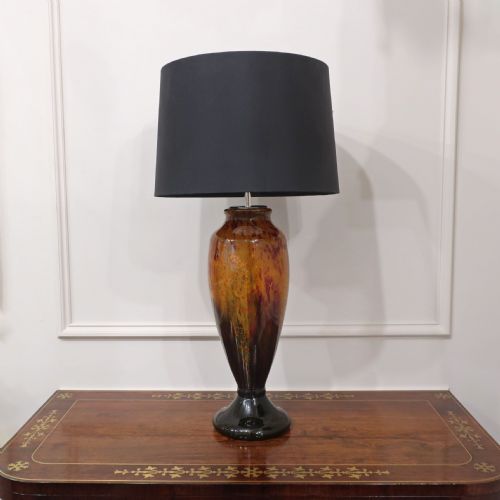
Art Deco Lamp Bases
These art deco lamp bases bring distinct geometric form and period character to a room, spanning table, desk, and standard heights.
Art Deco Lamp Bases
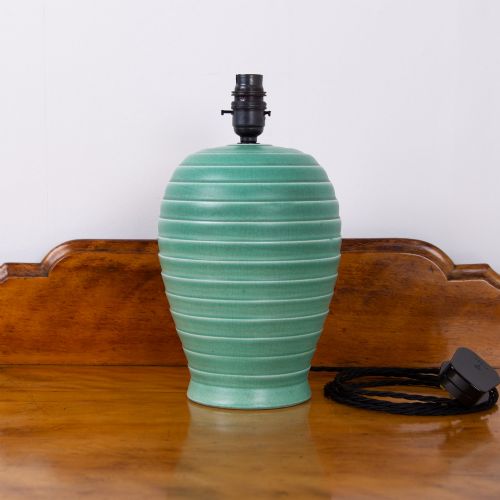
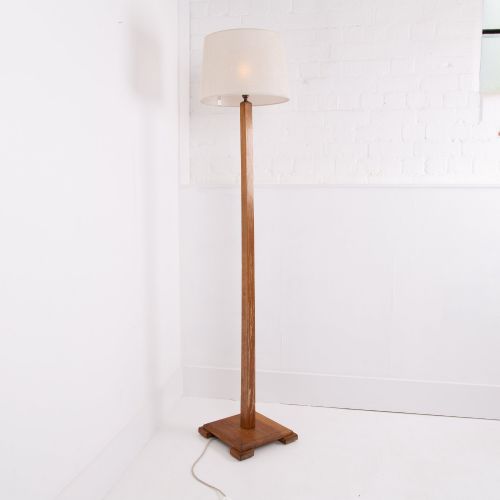
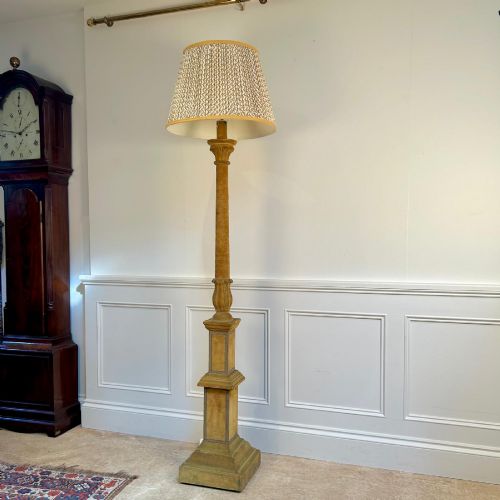
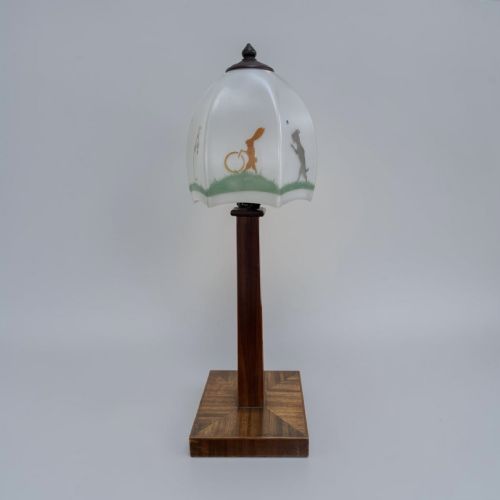
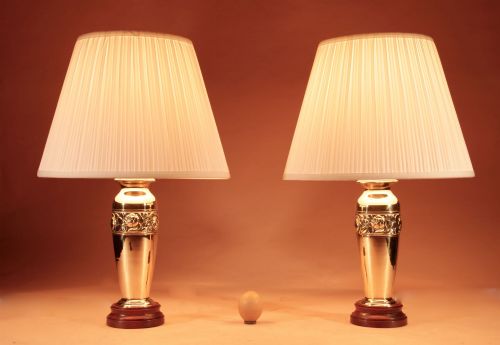
Art deco lamp bases combine utility with the distinct aesthetic of the interwar decades, appearing primarily as table lamps, desk lamps, and standard floor lamps. These items anchor a scheme through varied profiles, from geometric columns to figural compositions.
The selections span the 1920s, 1930s, and 1940s, capturing the transition from earlier decorative idioms towards streamline and modernist ideals. French designs appear frequently, alongside American interpretations and regional British examples.
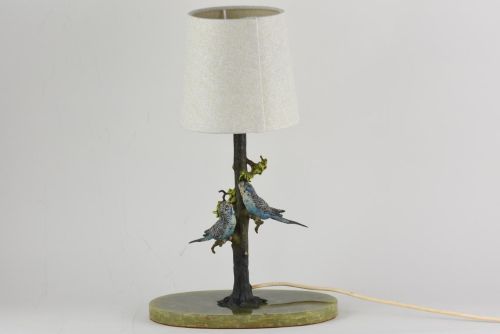
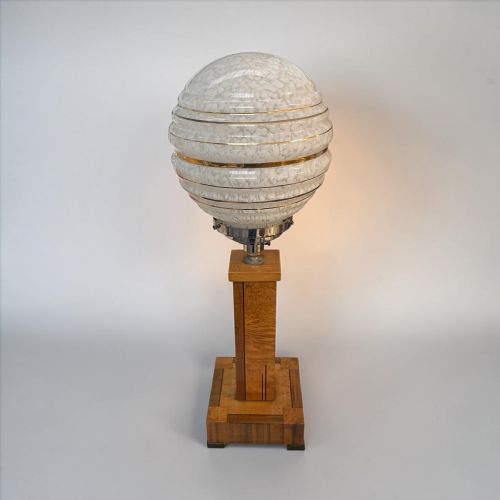
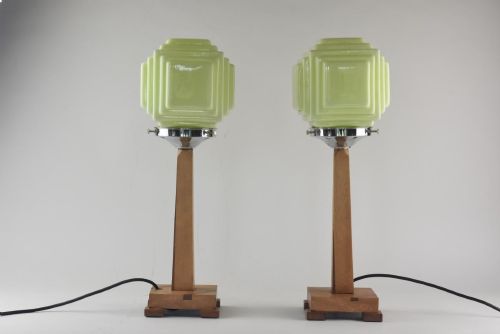
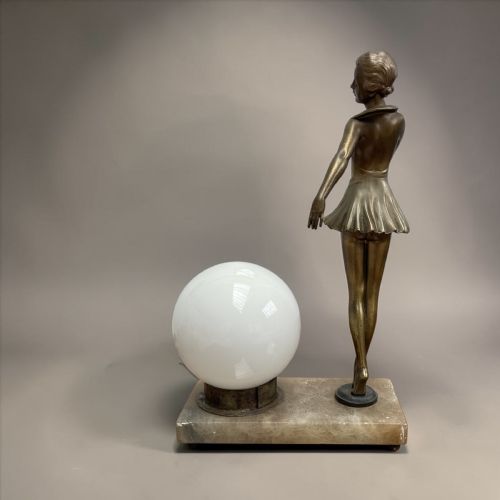
Forms include stepped skyscraper styles, figural lady lamps, and streamlined industrial desk lighting. Buyers encounter straightforward utilitarian bases alongside elaborate sculptural pieces incorporating animals or human figures.
Materials and construction methods
Makers utilised a diverse palette of metals, combining cast spelter, brass, chrome, and nickel with structural bases of marble and alabaster. Copper on marble and wrought iron structures provide both stability and heavy visual contrast.
Art Deco Lamp Bases Retail Price Guide 2026
Typical asking prices for art deco lamp bases among the pieces listed under this phrase on Sellingantiques today, from the lower quarter to the upper quarter. They describe what is for sale here now, not the wider market.
Listings feature items from the 1920s, 1930s, and 1940s, incorporating materials such as brass, marble, glass, and bakelite.
Assessing build and design quality
Quality rests upon the integrity of the materials and the precision of the assembly, particularly where mixed media like marble and metal join. Substantial stone bases and heavy cast metal components indicate superior manufacture compared to lighter, hollow alternatives.
Artistry in the figural elements and the presence of original signed glass shades separate standard production pieces from exceptional works. The weight of the casting, the crispness of the chasing on metal, and the depth of the patina dictate the standing of an individual piece.
Charles Schneider·Lacroix Lalique·Wilhelm Wagenfeld·Daum·Muller Bros·P.Sega
The Art Deco Lamp Bases Glossary
- Spelter
- A zinc alloy commonly utilised as a cost-effective substitute for bronze in decorative figures and lamp bases. It takes patination well to simulate heavier metals.
- Opaline glass
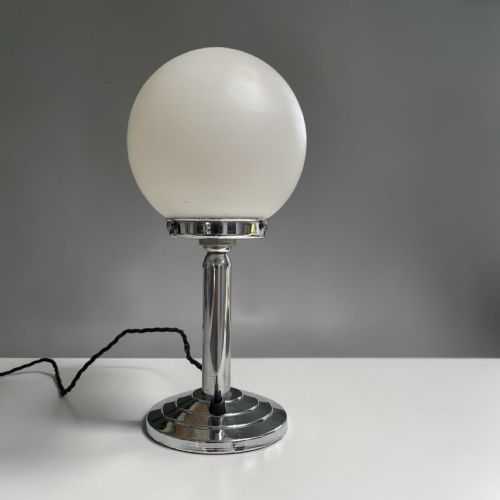
- A milky, semi-translucent glass that diffuses light evenly across the room. It appears frequently in shades paired with period metalwork.
- Bakelite
- An early form of synthetic plastic prized for its durability and rich dark tones. It defines the industrial aesthetic of desk lamps from the period.
- Alabaster
- A soft, fine-grained stone used for sculptural bases and columns. Its natural translucency allows light to pass partially through the stone itself.
Art Deco Lamp Bases: Frequently Asked Questions
How do I identify an authentic art deco lamp base?
Authentic pieces rely on period materials such as heavy marble, spelter, and specific glass types rather than modern plastics or resin. Construction methods typically involve period wiring channels and heavier base weight distributions characteristic of interwar manufacturing.
Stylistic cues include stepped geometric lines, streamline motifs, and figural subjects typical of the 1920s and 1930s. Comparing the construction against documented studio pieces helps confirm the date and origin.
Where should I place a standard lamp in a room?
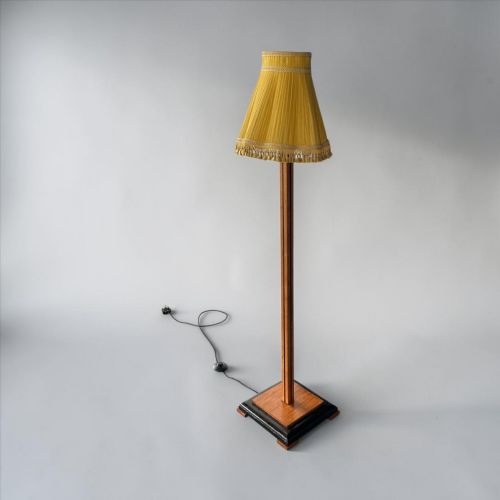
Standard lamps serve as floor-standing illumination sources suitable for corners or beside seating areas where overhead lighting proves too harsh. Their height helps balance vertical space in rooms with high ceilings.
Positioning them near walls allows the shade to cast balanced light across surrounding furnishings. They function effectively as reading lights or ambient focal points.
Can I replace the electrical wiring safely?
Rewiring older lamps with modern cables ensures safe operation while preserving the original decorative base. Professional electricians can update internal fittings without altering the external metalwork or stone.
Keeping original switches or plugs intact where possible maintains the historical integrity of the piece. Modern safety standards require proper earthing on metal bodies.
What is the difference between a table lamp and a desk lamp?
Desk lamps usually feature adjustable arms or directional shades designed for focused task illumination. They prioritize direct light projection over ambient room diffusion.
Table lamps typically focus on general illumination and decorative presence, often featuring larger frosted or opaline shades. Their proportions suit side tables, sideboards, and cabinets rather than workspaces.