

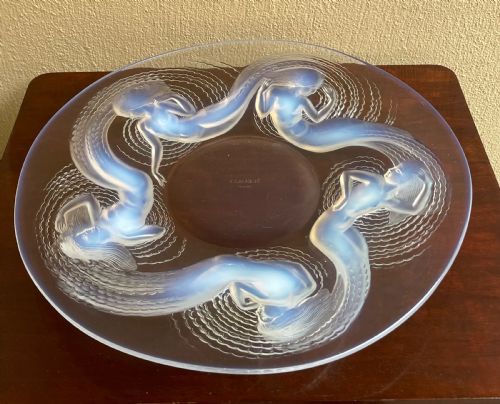


Art Deco Lalique Plate
An art deco lalique plate brings the refined optical interplay of moulded glass and opalescence into an interior.
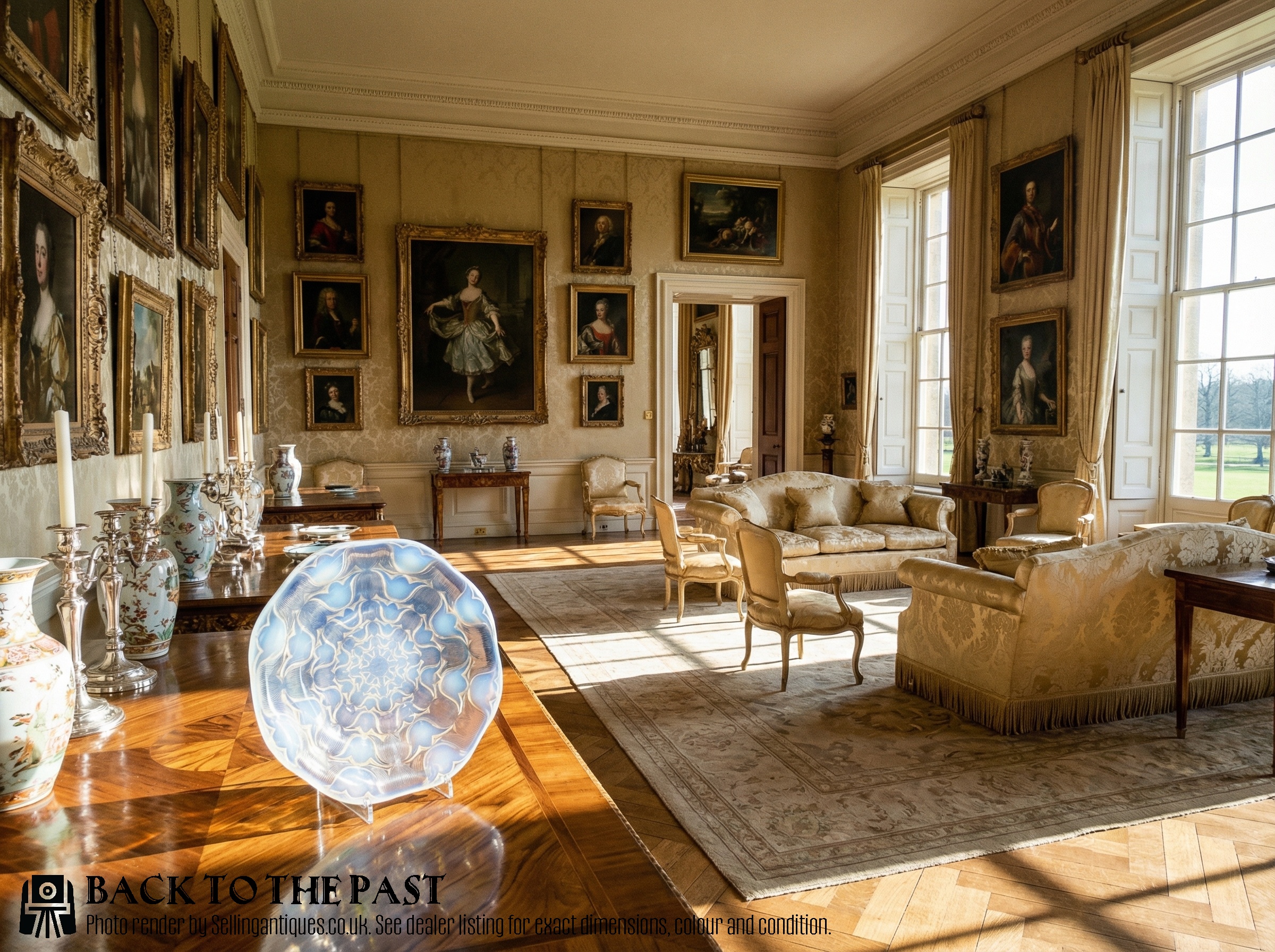
Art Deco Lalique Plate
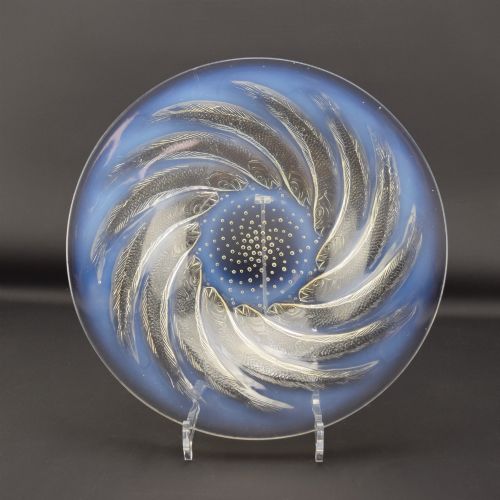
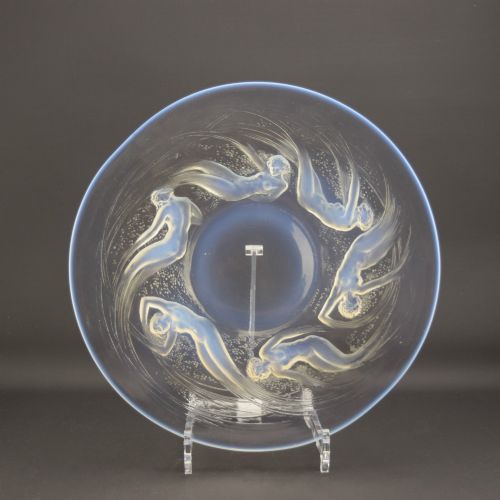
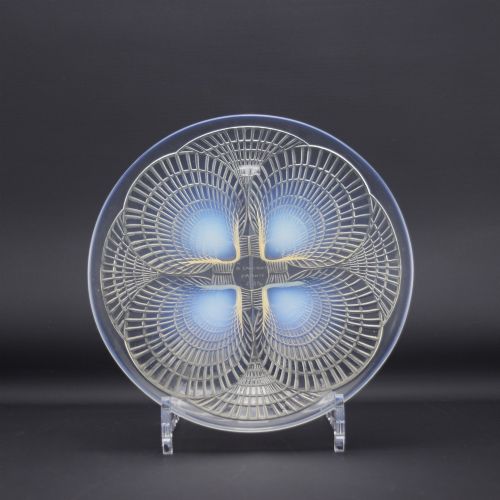
An art deco lalique plate encompasses decorative plates, shallow bowls, chargers, and salvers produced primarily during the 1920 and 1930 periods. These glass items display distinct forms named after flora, fauna, and classical motifs, such as fish, flowers, and nymphs.
Buyers encounter frequent examples featuring repeating patterns like the Coquilles design or aquatic subjects like Ondines and Poissons. The selection spans standard table plates to large decorative chargers and open coupes.
Materials and technique
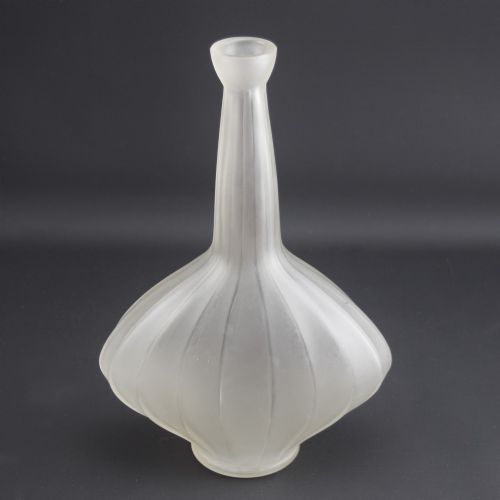
Makers utilised pressed, moulded, and frosted glass to achieve tactile relief and varied light refraction across each surface. Opalescent glass dominates the range, shifting between milky white and warm amber or blue tones depending on the light.
Select pieces incorporate sepia stain to accentuate the intricate recessed details of animal and figural designs. This combination of pressing and surface staining creates depth within the shallow relief work.
Judging quality and execution
The depth and application of sepia staining also influence the character of the design, contributing to a more pronounced contrast in the moulded motifs. Balance in the glass thickness and the clarity of the base material further separate standard production from exceptional works.
René Lalique·Verlys
The Art Deco Lalique Plate Glossary
- Opalescent Glass
- Glass that milky or translucent quality which scatters light to display bluish tones in daylight and warm amber tones when backlit. This optical property defines the most sought-after examples.
- Moulded Glass
- Glass formed by pressing molten material into a metal or iron mould to create raised decoration and specific vessel shapes. It allows for consistent repetition of complex naturalistic reliefs.
- Charger
- A large decorative plate utilised for display rather than standard dining purposes. These items often feature the most elaborate border motifs.
- Frosted Glass
- Glass treated to achieve a matte, non-reflective surface texture that diffuses light. It provides contrast against clear or polished sections of the design.
- Coupe Ouverte
- An open bowl or shallow vessel form with wide sides. This shape showcases radial patterns such as fish or shells.
Art Deco Lalique Plate: Frequently Asked Questions
What is an art deco lalique plate?
An art deco lalique plate is a decorative glass piece produced in moulded, opalescent, or frosted finishes during the early twentieth century. These items feature nature-inspired motifs and geometric styling characteristic of the period.
Collectors prize them for their sculptural relief work and optical effects. They function primarily as decorative display items rather than functional tableware.
How do I identify periods?
Pieces originating from the 1920 and 1930 periods often bear moulded signatures or distinct stylistic indicators associated with the interwar design movement. The transition from art nouveau influences towards streamlined art deco forms helps date individual examples.
Examining the specific naming conventions recorded in the catalogue assists in determining the era of production. Documentation of motifs such as Poissons or Ondines further clarifies the timeline.
How were these plates used?
These glass objects served primarily as decorative chargers, salvers, and shallow fruit bowls in sophisticated dining rooms and salons. Their striking optical properties meant they were designed to catch and refract ambient light.
While constructed from robust pressed glass, their artistic value led owners to display them on stands or sideboards rather than everyday use. They remain decorative centerpieces in modern collections.
How do I care for my plate?
Display these glass items away from direct, intense heat sources and secure them on stable, level surfaces to prevent accidental movement. Gentle dusting with a soft, dry cloth preserves the delicate frosted and stained surfaces.
Avoid abrasive cleaning agents that might compromise the sepia stain or the subtle opalescent finish. Proper placement ensures the glass continues to interact naturally with light.