

Art Deco Jewellery Set
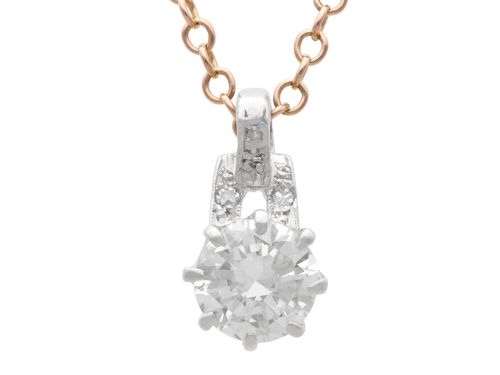
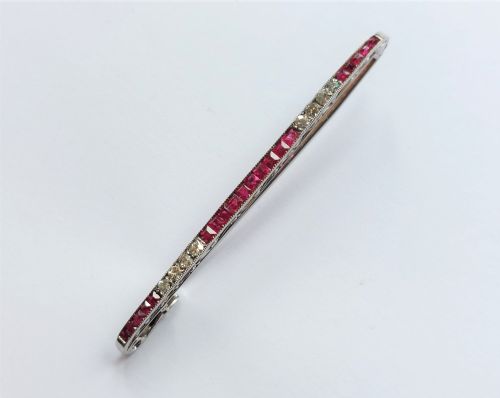
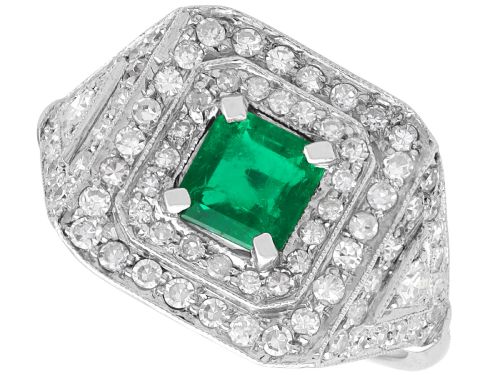
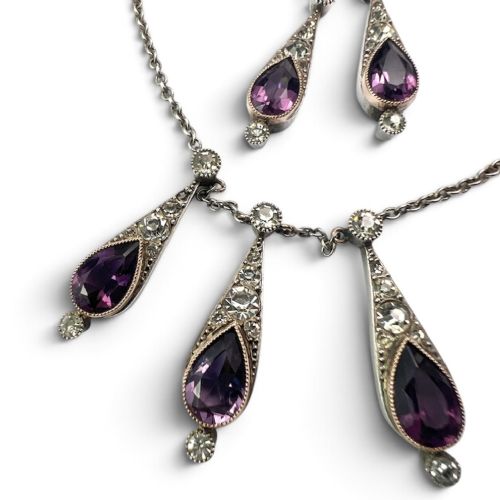
An art deco jewellery set brings together matched pieces from the early twentieth century, combining geometric precision with brilliant diamonds, coloured gemstones and precious metals.
Art Deco Jewellery Set
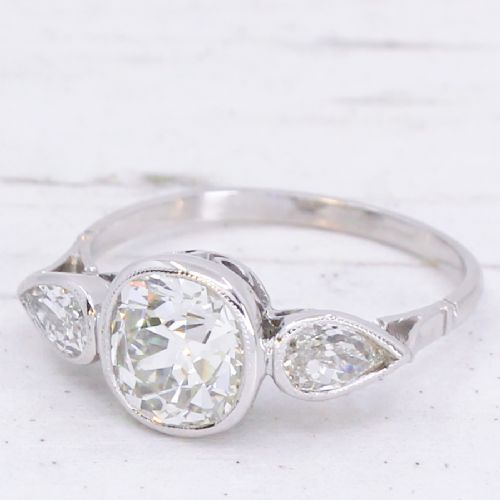
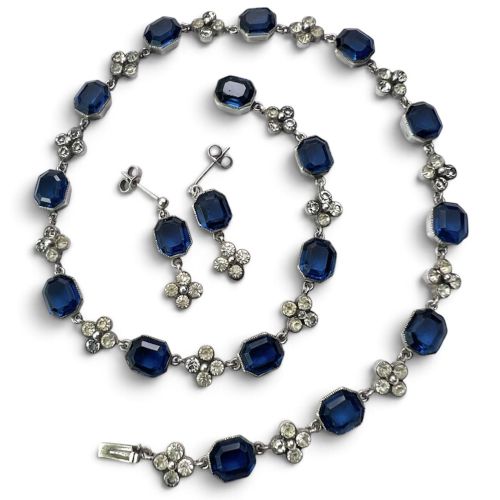
When you search for an art deco jewellery set, you find matched suites of earrings, necklaces and pendants originating primarily from the 1920s and 1930s. These assemblies often pair silver or gold bases with sparkling paste stones, sapphires or diamonds designed to be worn together.
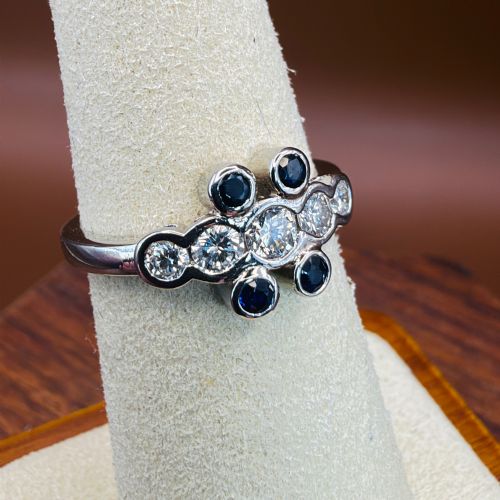
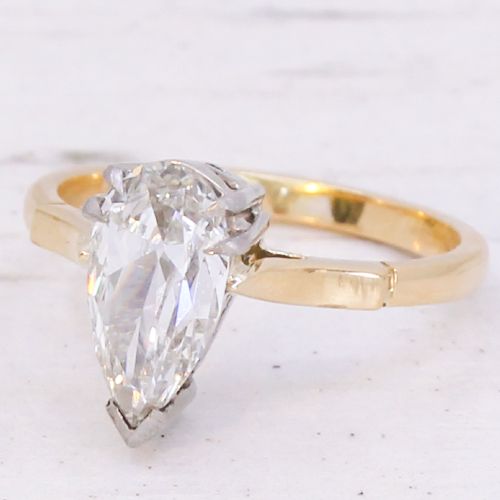
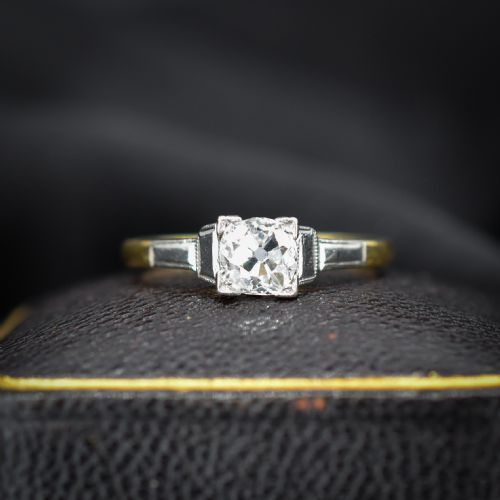
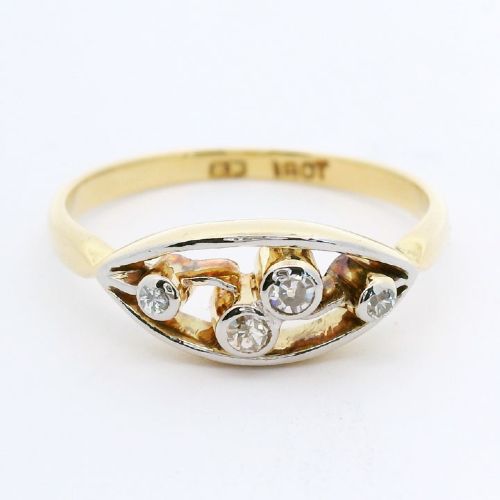
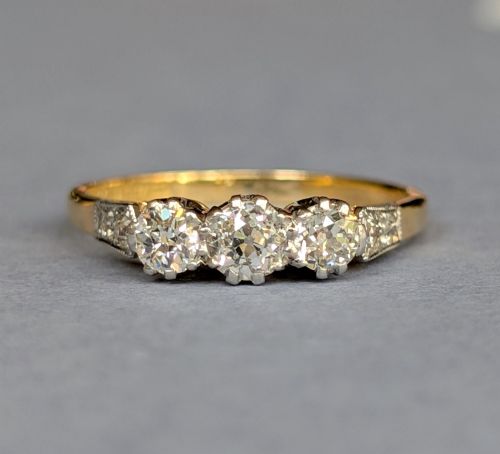
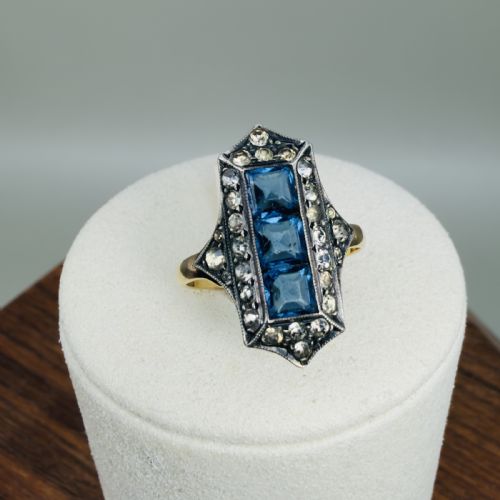
The pieces on this page also include individual rings, bracelets and earrings from the Art Deco period, alongside later revivals, that share the distinct architectural lines and symmetrical motifs characteristic of the style.
Makers and designers of these ornaments embraced clean geometry, contrasting colours and streamlined profiles that departed entirely from the flowing curves of the preceding Edwardian era.
Materials and construction techniques
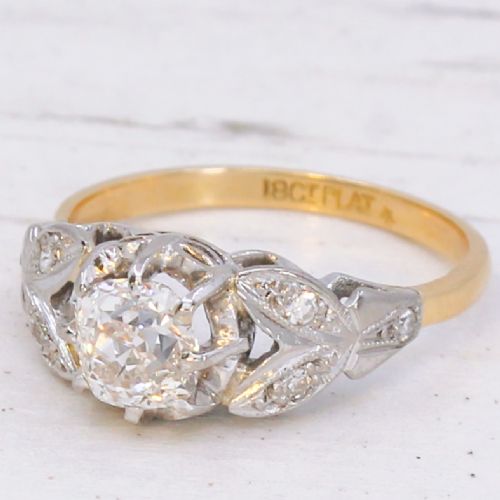
The jewellers of the period utilised durable platinum and 18ct white or yellow gold to construct secure settings that held diamonds and coloured stones without bulky metalwork. Platinum gained particular favour for its strength, allowing artisans to create delicate filigree and intricate millegrain edges.
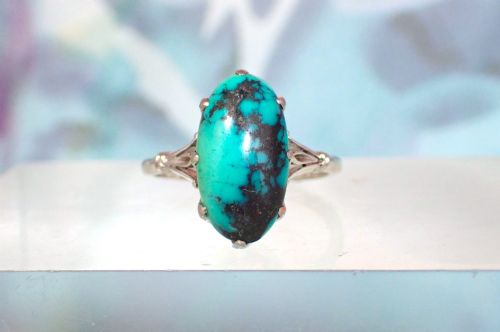
Gemstones such as old cut diamonds, sapphires and spinels were hand-set alongside paste stones and turquoise, mounted in silver and gold to achieve striking visual contrasts within each matching set.
Some clever rings feature a swivel mechanism allowing the wearer to flip between two distinct faces for day and night.
Judging the quality of the work
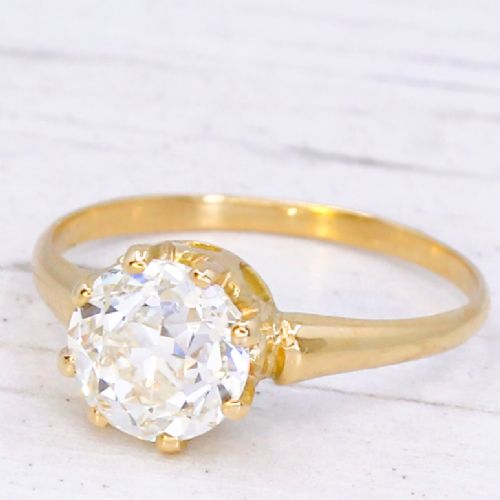
Quality in these ornaments rests upon the precision of the stone cutting and the integrity of the metal settings. Hand-cut old European and old cushion diamonds exhibit distinct light play that elevates a piece above standard modern equivalents.
Finer examples display crisp geometric symmetry in the metalwork and secure prong or bezel settings that hold each gemstone firmly without excess solder or uneven alignment.
The Art Deco Jewellery Set Glossary
- Art Deco
- A design style spanning the 1920s and 1930s characterised by geometric shapes, stylised motifs and sleek lines. It represents a sharp break from organic Victorian and Edwardian aesthetics.
- Old Cut Diamond
- A general term for hand-cut diamonds from the late nineteenth and early twentieth centuries, featuring smaller tables and larger culets than modern stones. These cuts produce a softer, distinctive candlelight sparkle.
- Millegrain
- A decorative technique involving a line of tiny metal beads along the edges of a setting. This finish softens the transition between metal and gemstone with subtle texture.
- Paste
- Hand-cut and polished glass utilised to imitate precious gemstones in antique jewellery. High quality paste stones display impressive brilliance and deep colouration.
- Platinon
- A proprietary substitute metal alloy utilised during the early twentieth century to mimic platinum. It offers similar durability and corrosion resistance without the high cost of precious metal.
Art Deco Jewellery Set: Frequently Asked Questions
What defines an art deco jewellery set?
An art deco jewellery set consists of coordinated pieces like earrings and necklaces created during the 1920s or 1930s. They share matching materials, geometric motifs and stones.
These suites offer a cohesive look designed to be worn together for formal occasions or evening wear.
How do I care for my set?
Care requires gentle cleaning with warm soapy water and a soft brush to remove dust from behind the stones. Avoid harsh chemical dips that damage delicate metalwork.
Store each piece in a separate fabric-lined compartment to prevent softer gemstones from scratching harder diamonds or platinum.
Can I wear these pieces daily?
Sturdy platinum and gold settings handle regular wear well, provided the prongs and mountings remain secure. Rings and earrings from this era suit daily rotation.
Delicate paste stones or intricate filigree necklace chains require extra caution to prevent accidental catches or impacts during active tasks.
How are periods identified?
Periods are identified through hallmarks, metal types, stone cutting styles and overall manufacturing techniques. Old cut diamonds and platinum usage point firmly to the 1920s and 1930s.
Later pieces often incorporate modern round brilliant cuts or differ in weight and alloy stamps compared to authentic early twentieth-century examples.