
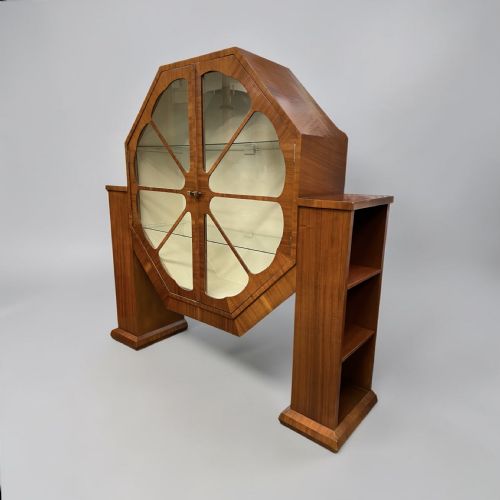
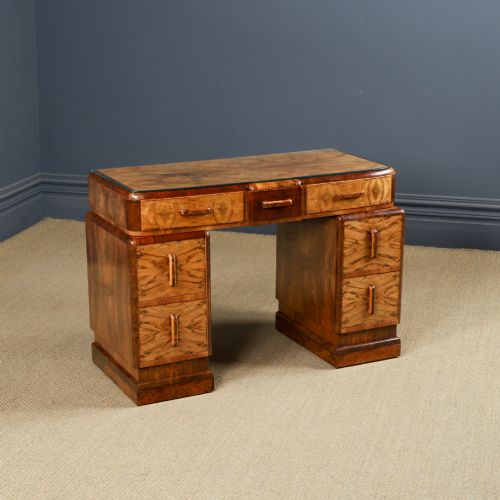

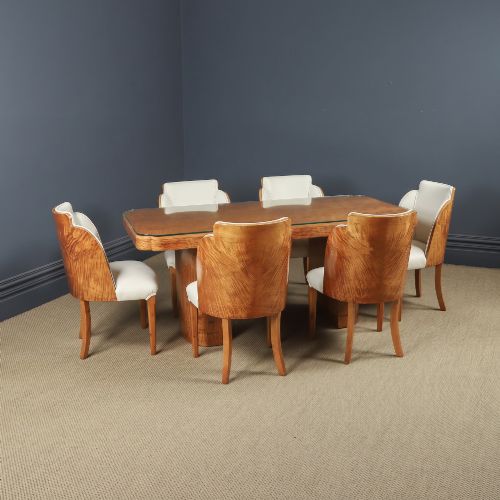


Art Deco Glass Pedestal
An art deco glass pedestal brings geometric clarity and sleek lines into a room, offering a striking display surface for decorative objects.
Art Deco Glass Pedestal
An art deco glass pedestal combines the signature geometric styling of the interwar years with elevated display forms. Buyers searching for an art deco glass pedestal often encounter sculptural bowls, comports, and elevated stands designed to catch the light.
The pieces appearing under this search span the 1920s and 1930s, featuring moulded and blown glass elevated upon distinct architectural supports. These items serve primarily as decorative focal points within interiors favouring period authenticity.
Most examples originate from the early decades of the twentieth century, aligning with the height of the Art Deco movement. They manifest in forms ranging from decorative bowls to tall pedestals designed for prominent placement.
Evaluating quality and execution
Quality rests in the precision of the moulding, the clarity or deliberate opacity of the glass, and the crispness of any decorative details. Superior examples display balanced proportions and sophisticated handling of colour.
The weight of the material and the integrity of the joins separate standard production pieces from finer studio work. Evidence of skilled craftsmanship appears in the finish of the surfaces and the harmony between glass and supporting structures.
Some glass vessels contain uranium dioxide, causing them to glow an unexpected luminous green when introduced to ultraviolet light.
Graystan·Viners·Wedgwood·Etling·Monart·Venini
The Art Deco Glass Pedestal Glossary
- Comport
- A shallow bowl raised on a stem and foot, used historically for serving fruit or sweets. It forms a common pedestal shape in glass collections.
- Vaseline glass
- Glass containing uranium dioxide, which produces a distinctive yellowish-green fluorescence under ultraviolet light. It appears frequently in decorative tablewares of the period.
- Torchiere
- A tall standing lamp directing light upward toward the ceiling. These fixtures often incorporate glass shades and pedestals.
- Burr walnut
- Timber taken from the wart or growth on a walnut tree, yielding complex, swirling grain patterns. It provides a rich contrast to smooth glass surfaces in related furniture.
- Monart
- A type of mottled art glass produced in Scotland during the twentieth century. It is known for organic forms and suspended internal air bubbles.
Art Deco Glass Pedestal: Frequently Asked Questions
What is an art deco glass pedestal used for?
These pieces function primarily as decorative vessels or elevated display surfaces for flowers, fruit, or smaller objects of art. They were designed to draw the eye and catch ambient light within a room.
In contemporary interiors, collectors place them on side tables, cabinets, or dedicated pedestals to highlight their sculptural qualities and period manufacture.
How can I date an art deco glass pedestal?
Dating relies on stylistic markers such as stepped geometric motifs, the specific tones of the glass, and manufacturing signatures or registry marks. Most pieces date from the 1920s and 1930s.
Comparing the form and material composition with documented works by known glasshouses helps narrow the production era.
Where were these glass pedestals made?
Production occurred across Britain, France, and various European glass-making centres during the interwar period. Different regions favoured distinct colour palettes and moulding techniques.
English and continental workshops produced substantial quantities of domestic decorative glass that survived into modern collections.
How do I care for antique glass pedestals?
Maintenance requires gentle cleaning with warm water and a mild soap, avoiding harsh chemical abrasives that might damage the surface. Support the base firmly when moving heavier pieces.
Placement should avoid direct exposure to extreme temperature fluctuations or unstable surfaces that risk accidental tipping.