


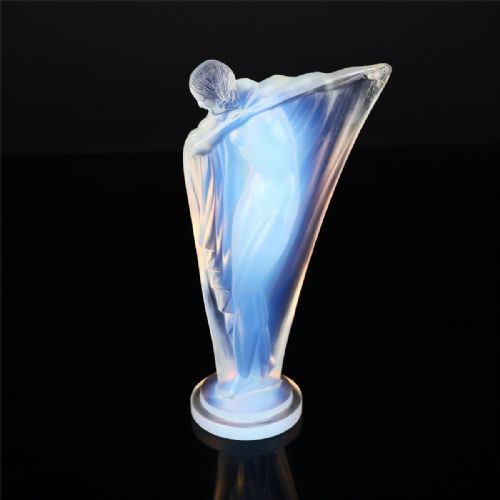


Art Deco Glass Figurine
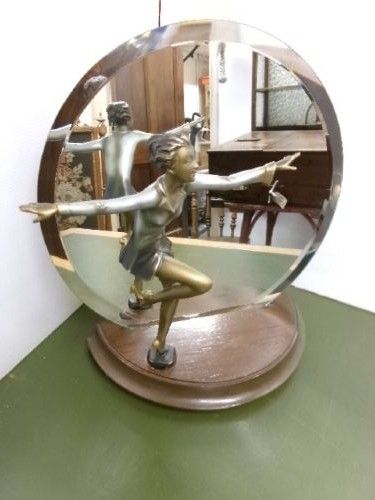
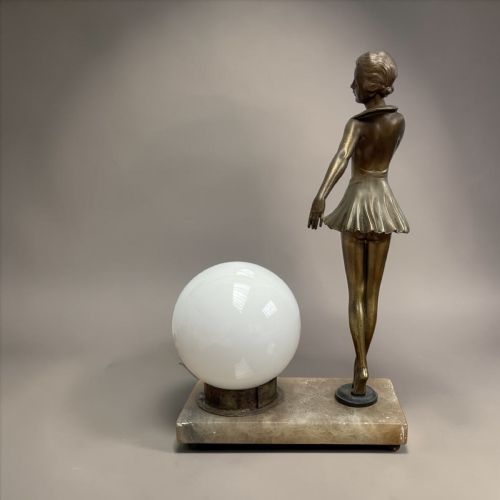
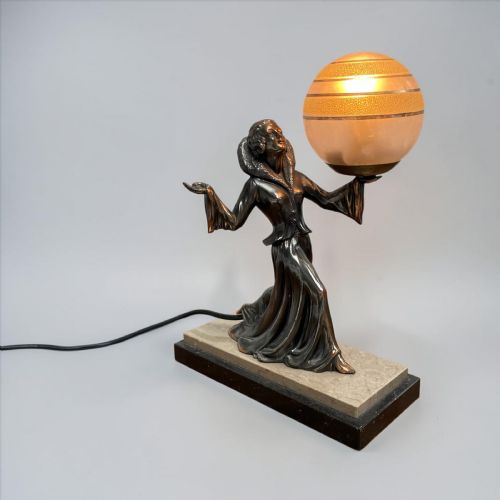
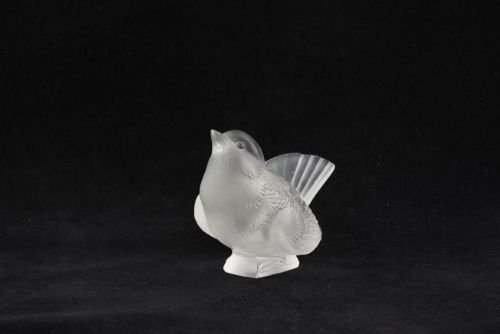
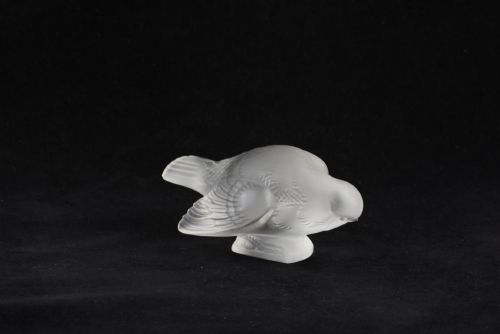
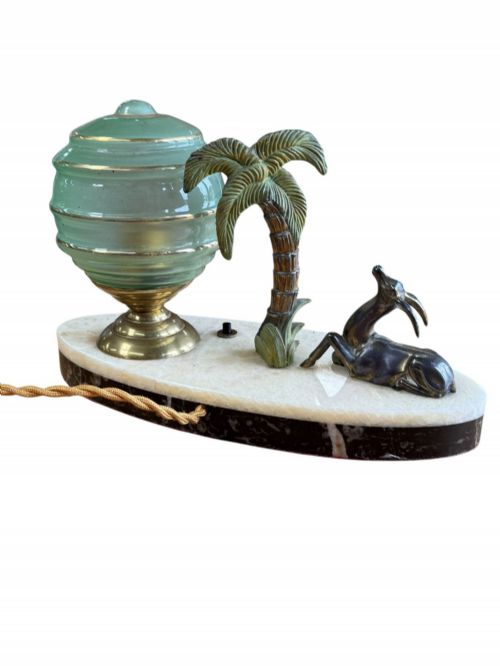
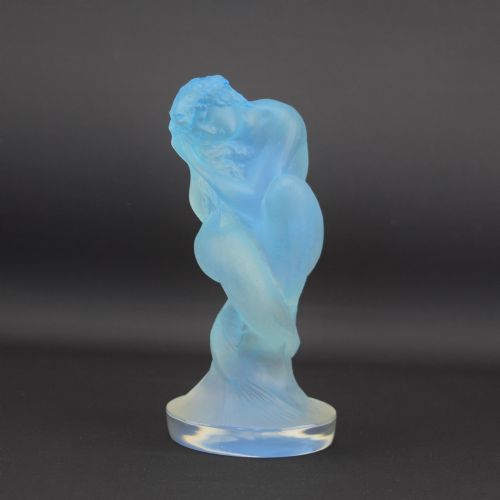
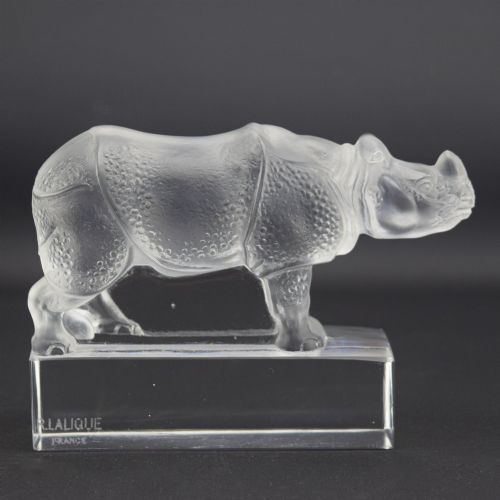
These art deco glass figurine examples capture the bold spirit of the interwar years through stylised human and animal forms.
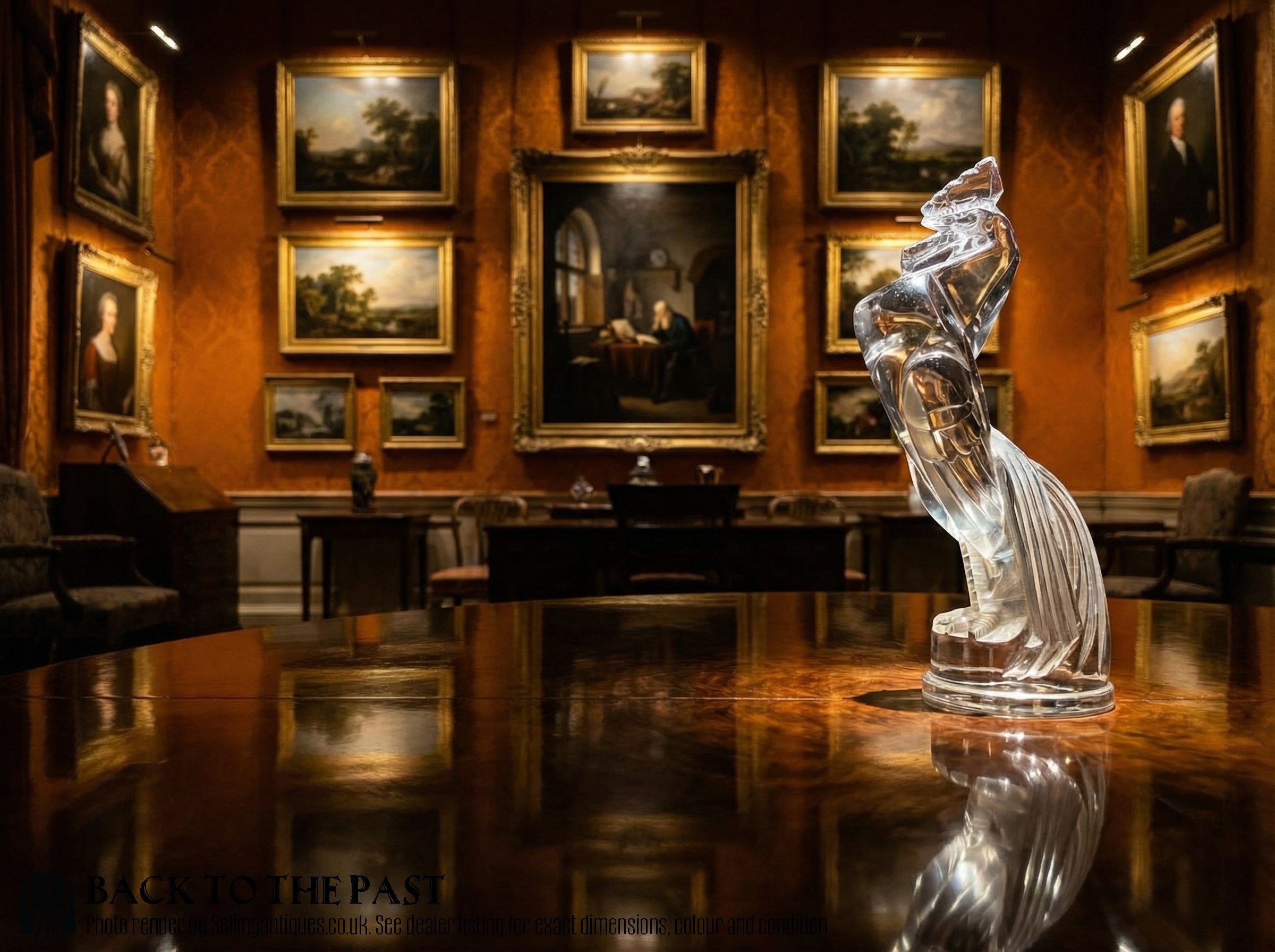
What They Are
An art deco glass figurine brings together decorative sculpture and functional design from the nineteen twenties and nineteen thirties. These pieces appear as paperweights, desk ornaments, and car mascots that served both practical and aesthetic purposes during the period.
Makers utilised the distinctive geometry and sleek lines of the art deco style to render figures ranging from mythological sirens to stylised animals like rhinoceroses and ibexes. The examples available here reflect the international reach of this design movement, originating from French, Austrian, and Italian workshops.
Car mascots double as heavy desk paperweights when removed from vehicle radiator caps, showing how versatile these decorative sculptures were. Buyers encounter both clear and coloured glass versions designed to catch and refract light effectively.
How They Were Made
Casting and pressing techniques allowed makers to achieve sharp relief and complex three-dimensional shapes in glass. Moulded and pressed glass production required precise temperature control to ensure the material filled intricate steel or iron moulds properly.
Lamp work methods permitted artisans to shape molten glass by hand over a flame, creating delicate serpentine forms with fine linear detail. Frosting, opalescence, and iridescence were achieved through chemical treatments and metallic vapour applications during or after the forming process.
Retail Price Guide 2026
Typical UK retail prices for art deco glass figurine, calculated from the Sellingantiques database of over a million retail prices indexed since 2003. This retail price guide relies exclusively on Sellingantiques data; no external sources or auction records are used, so the figures do not describe the wider market.
Listings feature pieces dated strictly to the nineteen twenties and nineteen thirties, employing frosted, opalescent, and iridescent glass.
What Varies in Quality
Optical depth within the glass body distinguishes masterworks from standard production pieces. The interaction between opalescent or frosted surfaces and clear glass core areas creates a luminosity that weaker formulations fail to achieve.
Rene Lalique·Napoleone Martinuzzi·Bimini·Marius Ernest Sabino
The Art Deco Glass Figurine Glossary
- Car Mascot
- A sculptural ornament mounted on the radiator cap of an automobile, popular during the interwar motoring era. Many were subsequently mounted on bases to serve as desk sculptures.
- Opalescent Glass
- Glass containing chemical agents that cause it to display a milky blue sheen in reflected light and a warm amber tone in transmitted light. This property adds considerable visual depth to sculptural curves.
- Lamp Work
- A technique where a glass rod or tube is melted over a flame and shaped using hand tools. It permits the creation of slender, detailed figures.
- Frosted Glass
- Glass treated by acid etching or sandblasting to create a matte, non-reflective surface. This finish accentuates the anatomical contours of figures.
Frequently Asked Questions
What is an art deco glass figurine?
These decorative objects are sculptural figures shaped from glass during the nineteen twenties and nineteen thirties. They embody the sleek, geometric aesthetics of the art deco movement.
Such pieces frequently double as paperweights or automotive mascots, reflecting the era's taste for stylish, functional art objects.
How were car mascots used?
Motorists mounted these glass sculptures onto radiator caps to personalise luxury automobiles during the interwar period. The heavy glass caught the sunlight and added a distinctive focal point to the bonnet.
Many survived because owners removed them for display indoors once motoring fashions changed.
What defines opalescent glass?
Opalescent glass contains ingredients that scatter light to create a characteristic milky blue appearance. This optical effect shifts tone depending on whether light passes through or reflects off the surface.
Sculptors used this quality to emphasise the musculature and drapery of figures.
Where were these pieces made?
Production centred primarily in France, Austria, and Italy, where skilled glasshouses and independent studios operated. French and Austrian workshops produced notable pressed and lamp worked sculptures.
Italian makers on Murano contributed distinct iridescent interpretations of animal and human forms.