
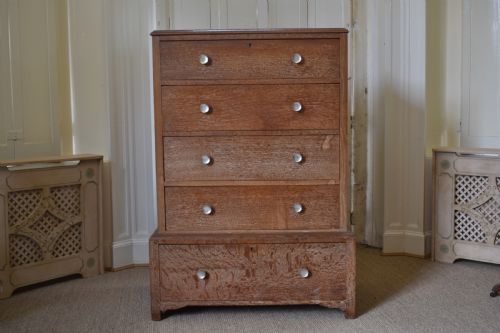
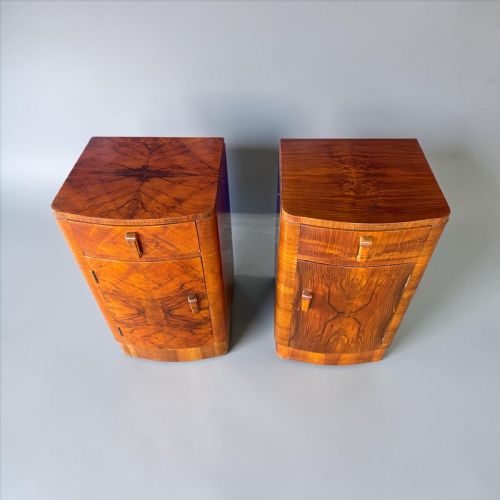
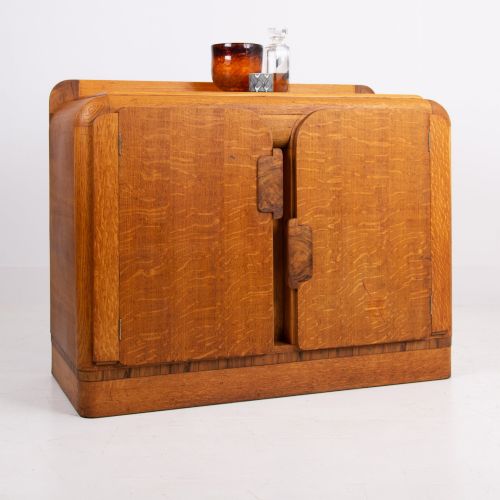
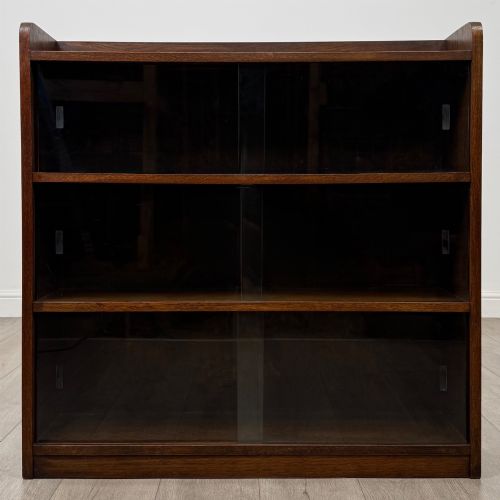
Art Deco Furniture Cabinet
When you search for art deco furniture cabinet, you encounter striking storage pieces spanning cocktail cabinets, bookcases and bedside tables built during the interwar period.
Art Deco Furniture Cabinet
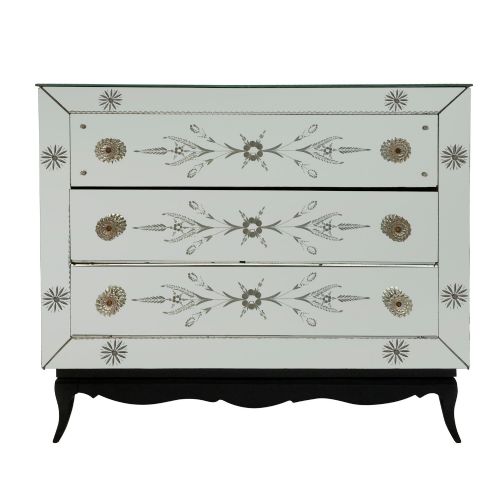
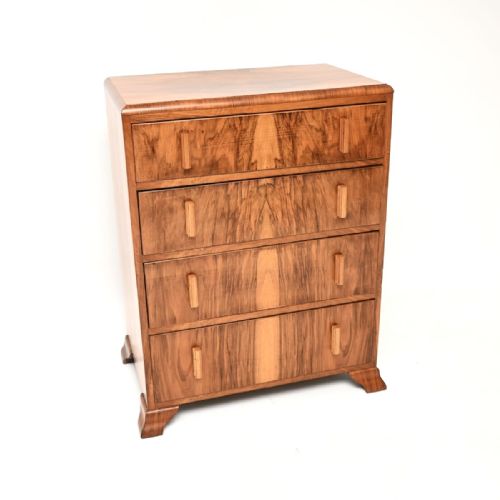
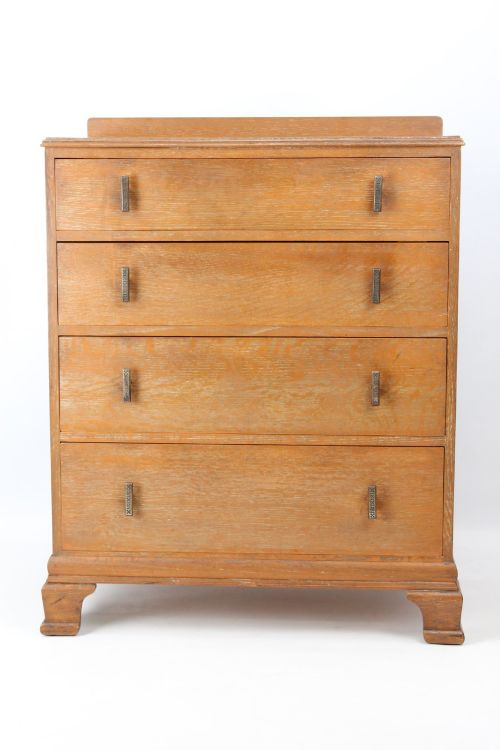
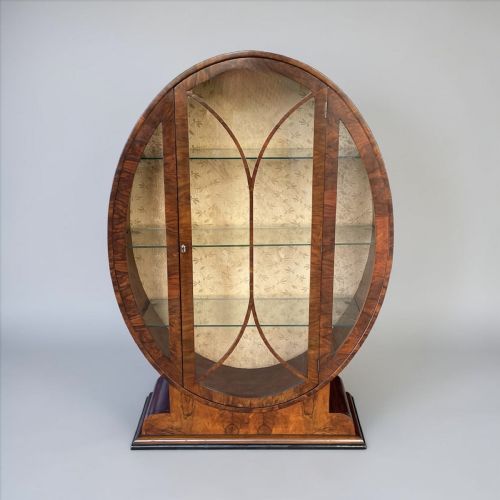
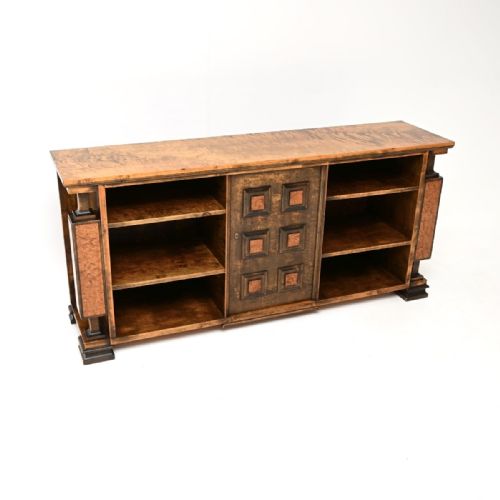
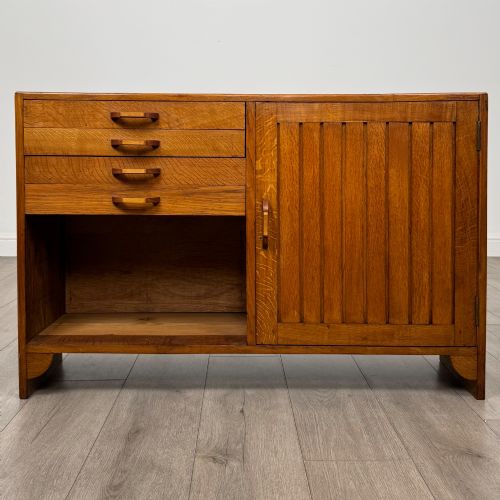
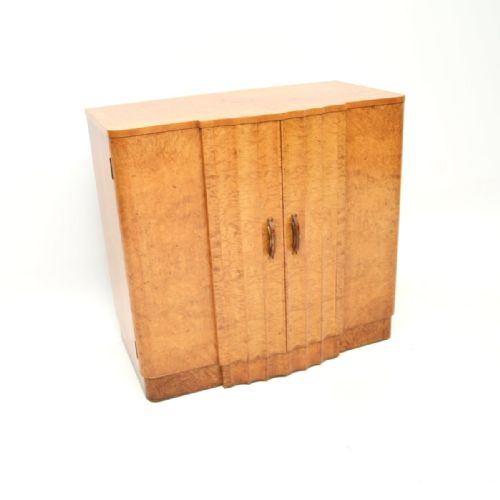
An art deco furniture cabinet brings distinctive geometric forms and functional storage into domestic spaces through items such as cocktail cabinets, display cabinets, sideboards and chests of drawers.
The pieces appearing on this page originate predominantly from the 1920 and 1930 decades, alongside select Edwardian and 1940 examples, reflecting British, French and Scandinavian workshop traditions.
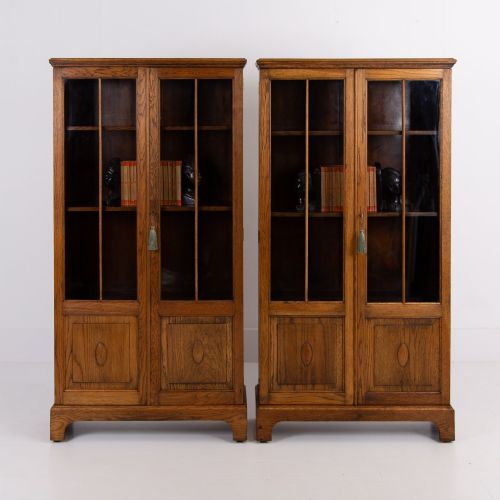
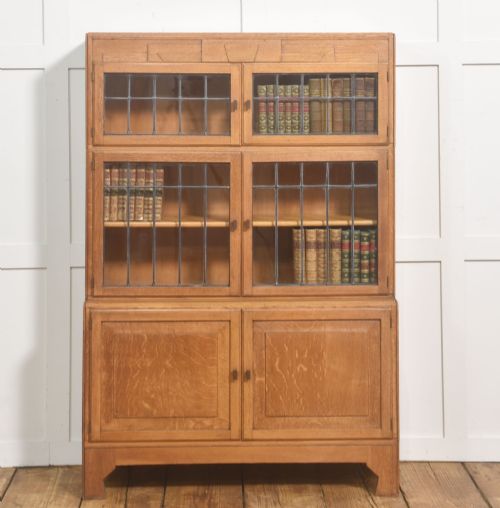
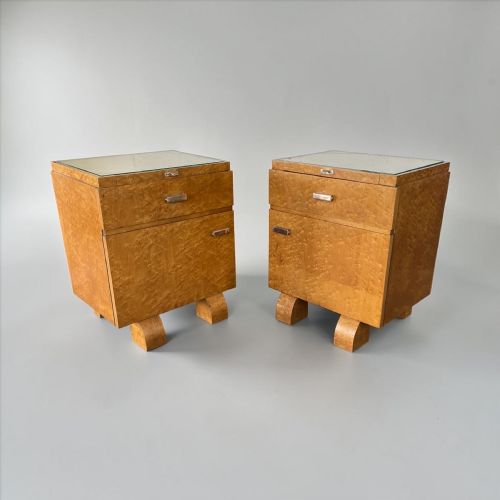
Buyers frequently encounter bedside tables, bookcases and writing bureaus designed to serve specific domestic functions while maintaining strong architectural lines.
Materials and construction
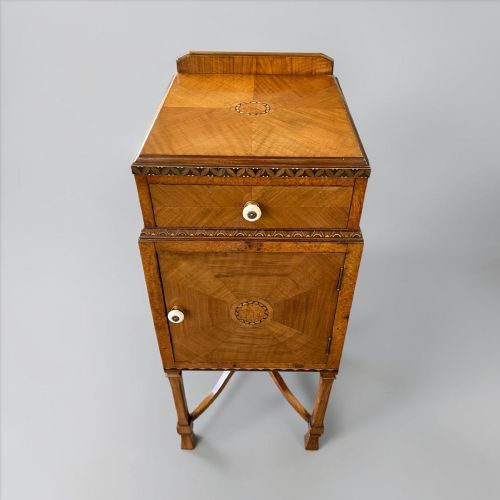
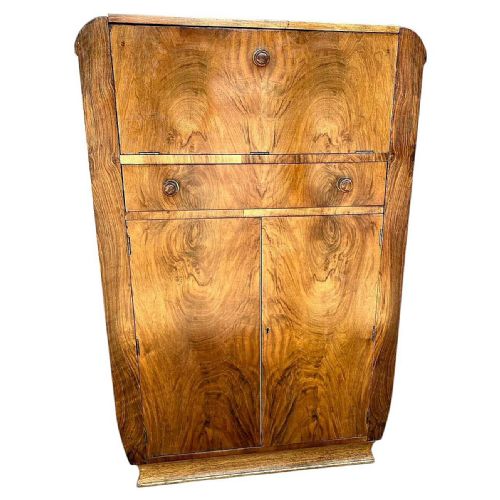
Cabinet makers utilised rich timbers including walnut, burr walnut, oak, satinwood, mahogany, rosewood and palisander, frequently applying veneer surfaces to display complex wood grain patterns.
Construction techniques incorporate marquetry, parquetry and specialised inlays, sometimes combining wood with contrasting elements like brass hardware, glass panels, bakelite details or parchment coverings.
Listings feature woods such as walnut, oak, satinwood, mahogany, rosewood and palisander alongside metal, glass and bakelite elements.
Distinctions in quality
Quality rests upon the selection of timbers and veneers, where highly figured burr walnut, satinwood or rosewood display superior visual depth across the cabinet doors and drawer fronts.
Excellence shows in the precision of joinery, the integration of specialised materials like parchment or leaded glass, and the attribution to known makers and workshops from the era.
Harry and Lou Epstein·Gomme·Maurice Jallot·F.H. Marshall and Co Glasgow·Bath Cabinet Makers·Betty Joel·Maurice Adams·Rivington
The Art Deco Furniture Cabinet Glossary
- Veneer
- A thin slice of figured wood applied over a secondary timber base to create decorative patterns on cabinet surfaces. This technique allows makers to utilise expensive timbers efficiently.
- Burr walnut
- A prized wood growth forming intricate swirling patterns used extensively on prominent cabinet facades. It remains a defining material of the period.
- Parquetry
- Geometric mosaic woodwork patterns used for decorative flooring or cabinet surfaces. Skilled artisans arrange small wood blocks to form precise repeating shapes.
- Marquetry
- The art of applying pieces of veneer to a structure to form decorative designs or pictures. It requires immense precision in cutting and fitting timber.
Art Deco Furniture Cabinet: Frequently Asked Questions
What is an art deco furniture cabinet?
These storage items encompass cocktail bars, display units, bookcases and bedside chests produced primarily during the 1920s and 1930s.
They combine utilitarian storage with distinct decorative styles ranging from British oak designs to French veneered creations.
How do I identify an art deco furniture cabinet?
Look for symmetrical geometric shapes, stepped architectural silhouettes, and contrasting wood veneers such as burr walnut or satinwood.
Many examples incorporate materials like brass, glass, bakelite or parchment alongside characteristic cabinet hardware.
Where were these cabinets made?
Makers across Britain, France and Scandinavia produced these storage pieces during the interwar decades.
Specific regional styles include Swedish Grace, French neoclassical interpretations and robust English oak utility pieces.
How do I use a cocktail cabinet?
These specialised drinks cabinets feature internal shelving, mirrored surfaces and drop-down flaps designed for serving beverages.
Original interiors often accommodate glassware, bottles and mixing accessories behind lockable doors.