


Art Deco Emerald Cluster
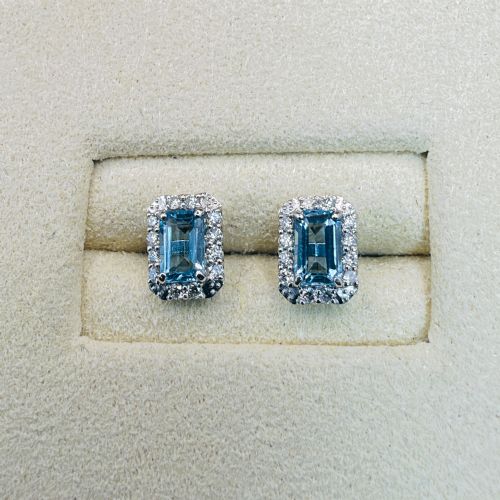
Art deco emerald cluster jewellery combines geometric period design with vibrant central gemstones surrounded by brilliant diamond borders.
Art Deco Emerald Cluster
An art deco emerald cluster typically centres on a vibrant green emerald framed by sparkling diamonds in a geometric arrangement. These pieces showcase the distinctive design principles of the interwar years, favouring symmetry, clean lines and striking contrast.
Most examples found here date from the 1920s and 1930s, taking the form of cocktail rings, dress rings, cluster earrings and pendant necklaces. Alongside emeralds, variants featuring aquamarine, ruby, sapphire and tourmaline appear within the same characteristic cluster formats.
How They Were Made
Goldsmiths utilised platinum and 18ct white gold extensively during this period, providing a strong, bright white metal setting that enhanced the icy brilliance of surrounding diamonds. Yellow gold also appears in mounting combinations, frequently pairing with white gold top clusters to maximise light reflection around the central stones.
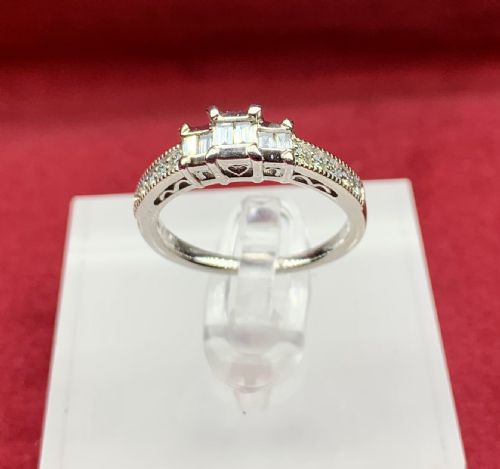
Gemstones received specialised cuts including emerald cuts, old cuts, rose cuts and baguette cuts, tailored to fit precise geometric mountings. Master setters secured these stones using delicate claw, bezel or channel techniques characteristic of fine antique jewellery production.
Some emeralds hide tiny natural gardens within their depths, a poetic internal feature known to gemmologists as jardin.
What Varies in Quality
Quality rests upon the natural origin, clarity and colour saturation of the central emerald, alongside the carat weight and cut grade of the accent diamonds. Colombian and Zambian stones with minimal oil treatments command particular attention from collectors.
The sophistication of the platinum or gold metalwork further defines superior examples, visible in crisp geometric pierced galleries and secure, even stone settings that endure across decades.
The Art Deco Emerald Cluster Glossary
- Cluster ring
- A ring featuring a prominent central gemstone encircled by a ring of smaller accent stones, typically diamonds.
- Old cut
- A traditional diamond cutting style characterised by a high crown, small table and large culet, hand-faceted to catch candlelight.
- Target cluster
- A circular ring design featuring concentric rings of contrasting gemstones or diamonds radiating outward from a central stone.
- Baguette cut
- A step-cut rectangular diamond shape featuring long, straight parallel facets designed for clean geometric borders.
- Navette
- A boat-shaped gemstone or cluster setting that tapers to pointed ends at either side.
Art Deco Emerald Cluster: Frequently Asked Questions
How do I care for my ring?
Clean your piece gently using warm soapy water and a soft brush, avoiding harsh chemical ultrasonic cleaners that might damage natural emerald treatments.
Store the item separately in a padded jewellery box to prevent the hard diamond facets from scratching softer emerald surfaces.
Are these pieces original period items?
The selection includes authentic items created during the 1920s and 1930s, alongside pieces reflecting later mid-century revivals and specific art deco styles.
Checking hallmarks, metal types and gemstone cuts helps distinguish original antique manufacturing from later inspired reinterpretations.
Can I resize an antique ring?
Many platinum and gold rings can be carefully adjusted by a skilled jeweller experienced in working with antique settings and delicate side stones.
Certain pieces feature specialised bands or adjustable shanks that require expert assessment before any metal alteration takes place.
What is minor oil enhancement?
Natural emeralds frequently undergo traditional clarity enhancement using minor amounts of oil to fill microscopic surface-reaching fissures.
Laboratory reports often specify the treatment degree, noting whether stones contain no oil or minor residual filling.