
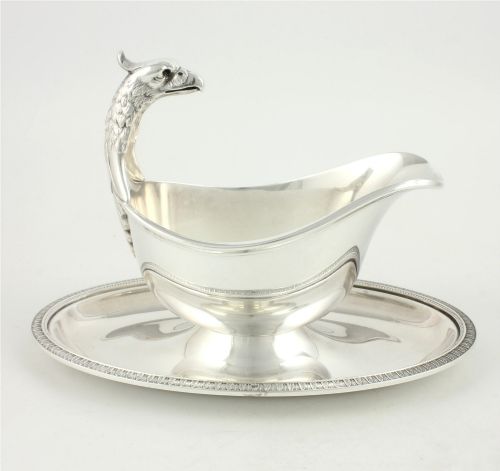


Art Deco Dining Accessory
These art deco dining accessory pieces bring period geometry and metalwork to the table, offering a functional touch of interwar design.
Art Deco Dining Accessory
An art deco dining accessory comprises table items ranging from napkin rings and sauce boats to menu holders and lazy susans. These objects reflect the decorative shifts seen across the early twentieth century.
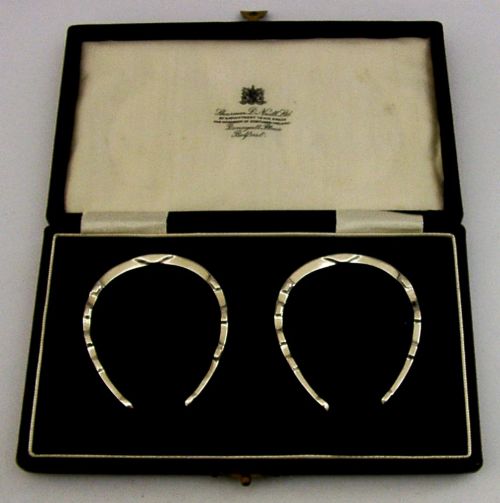
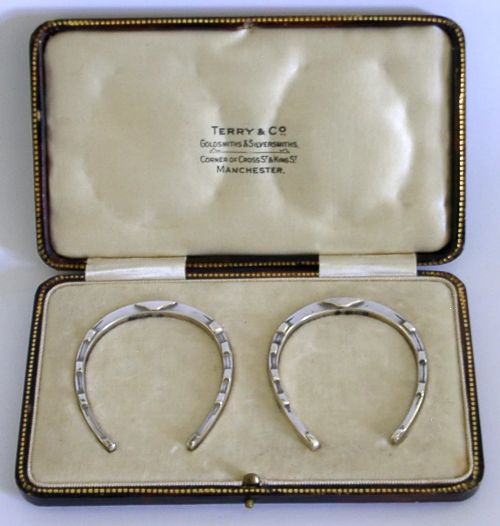
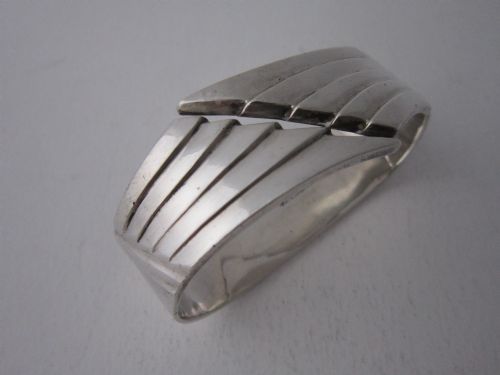
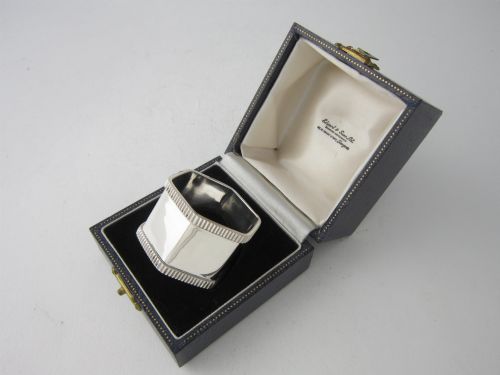
Napkin rings appear frequently on this page, often found cased and cast in sterling silver or silver plate. Other forms include knife rests and serving dishes originating from the nineteen-twenties and nineteen-thirties.
Materials and construction
Sterling silver and silver plate form the primary metals used for these items, frequently paired with enamel work or glass elements. Makers also utilised Bakelite for practical table items such as knife rests.
Techniques involve precise casting and silversmithing, alongside guilloche enamelling which adds patterned colour to the metallic surfaces.
Listings feature sterling silver and silver plate alongside alternative materials including Bakelite, enamel, and glass.
Judging quality in these items
Quality rests upon the crispness of the casting and the retention of detail in decorative elements such as enamel or engraved patterns. Maker marks and clear hallmarks also distinguish finer pieces.
Completeness alters the character of sets, particularly when items retain their original fitted cases or survive in matching groups rather than as single examples.
R. E. Stone·Christofle Gallia·David Andersen·Walker and Hall·Henry Wilkinson
The Art Deco Dining Accessory Glossary
- Sterling silver
- A silver alloy containing 92.5 percent pure silver and 7.5 percent other metals, typically copper. This standard alloy provides durability for functional table items.
- Guilloche enamel
- A decorative technique where translucent enamel is layered over mechanically engraved metal. It produces repetitive geometric patterns beneath coloured glass.
- Silver plate
- A base metal coated with a thin layer of silver through electroplating. This method offered an accessible alternative to solid silver for dining wares.
- Knife rest
- A small support used to keep carving or dining knives elevated above the tablecloth. They appear in sets made from materials like Bakelite or silver.
Art Deco Dining Accessory: Frequently Asked Questions
What items count as dining accessories?
Dining accessories include small functional and decorative items used at the table during meals. Napkin rings, menu holders, knife rests and sauce boats all fall into this category.
These pieces were designed to assist with table service and organisation while introducing decorative style to the dining room.
How do I date silver pieces?
British silver typically bears hallmark stamps that indicate the assay office, the maker and a specific date letter. These marks provide a precise year of manufacture.
Items from other regions rely on maker stamps or stylistic indicators to establish their period of origin.
Were these items used daily?
Many of these accessories served during formal meals or special occasions rather than everyday dining. Cased sets of napkin rings were frequently given as gifts for weddings or birthdays.
Their survival in fitted boxes often indicates they saw careful handling and occasional use.
How should I clean silver?
Solid silver and silver plate require gentle cleaning with appropriate silver polish to remove tarnish without scratching the metal. Enamelled pieces need extra care to avoid damaging the coloured glass surface.
Regular dusting and careful storage help maintain the finish of polished metal items.