


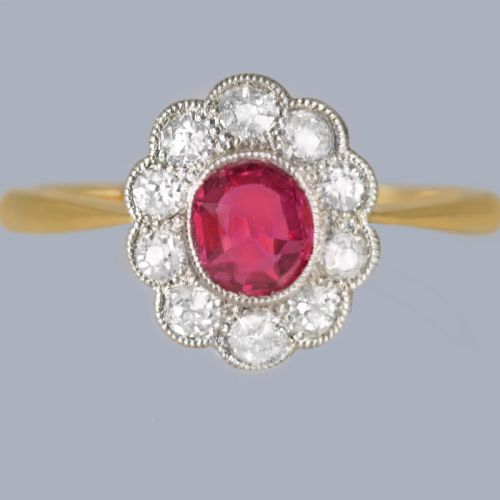

Art Deco Diamond Halo
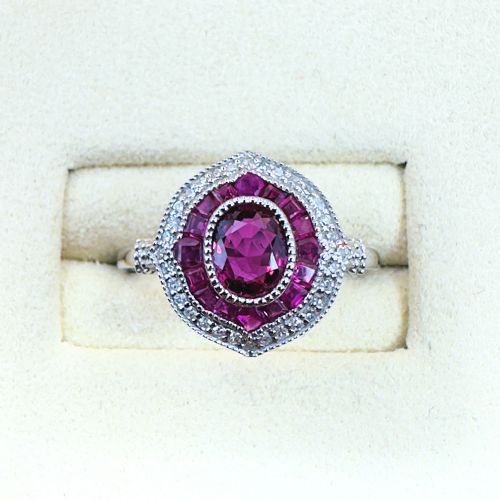
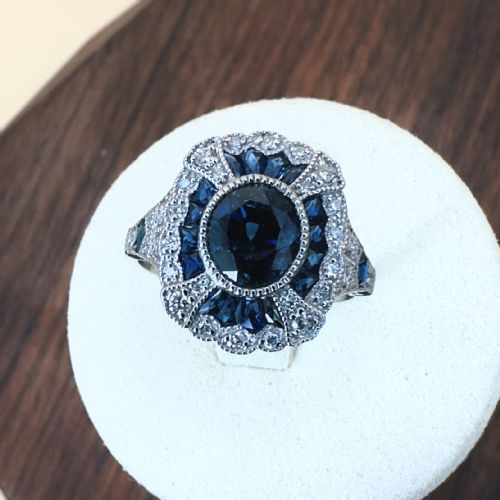
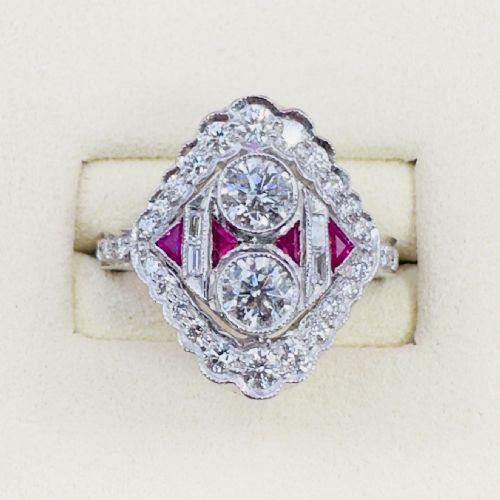
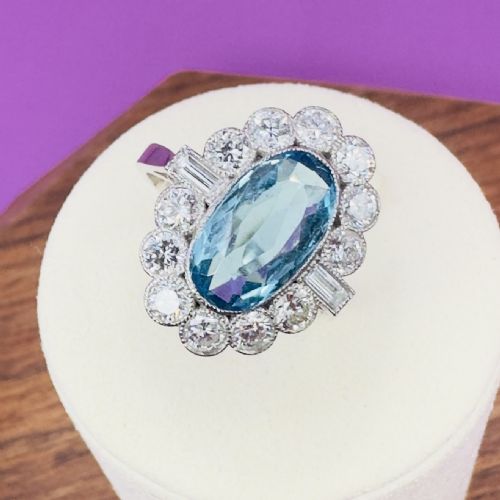
When you search for art deco diamond halo pieces, you are looking at centred gemstone clusters framed by sparkling border stones typical of the 1920s and 1930s.
Art Deco Diamond Halo
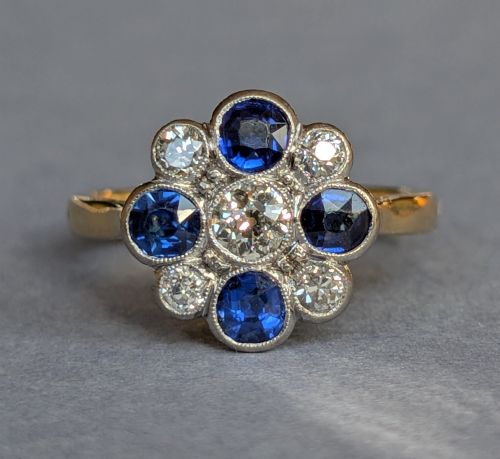
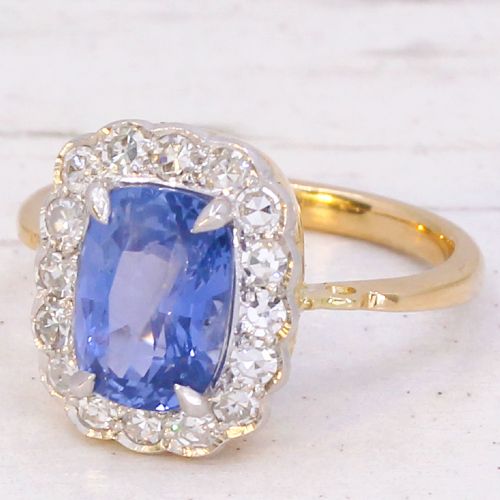
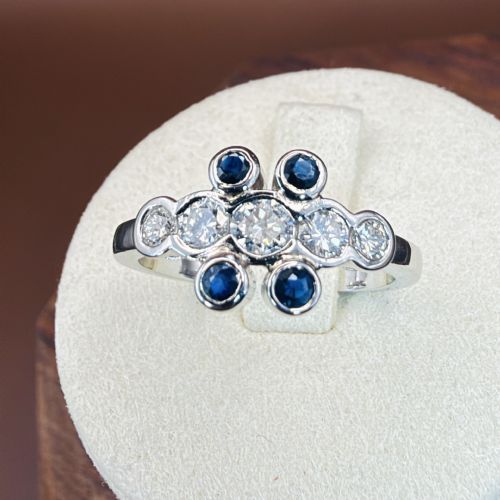
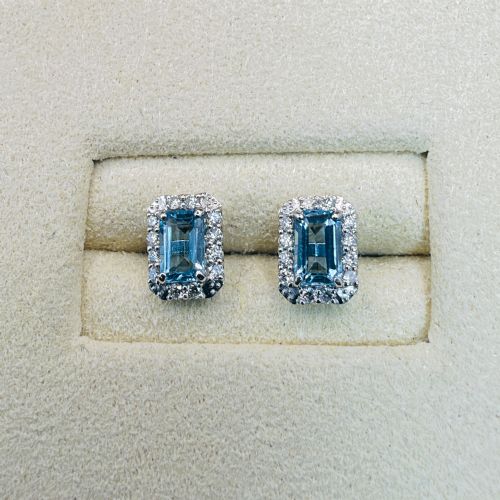
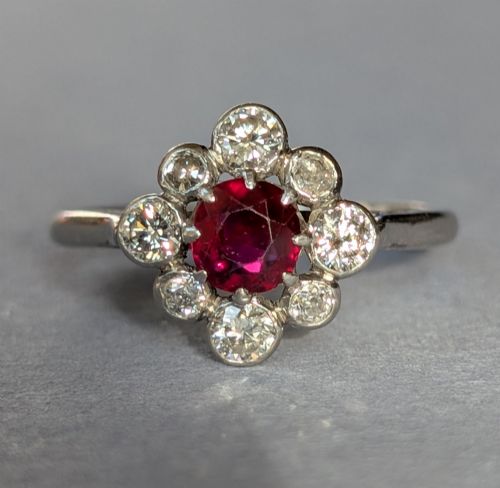
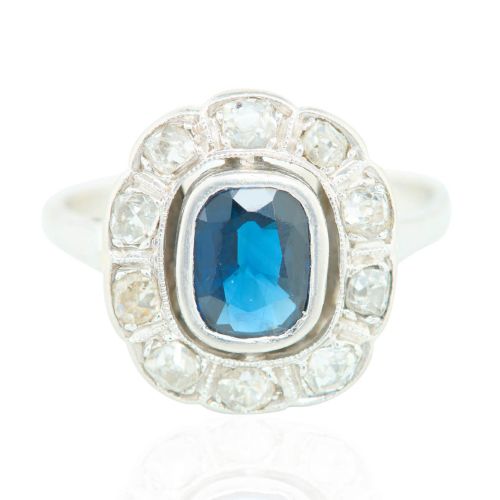
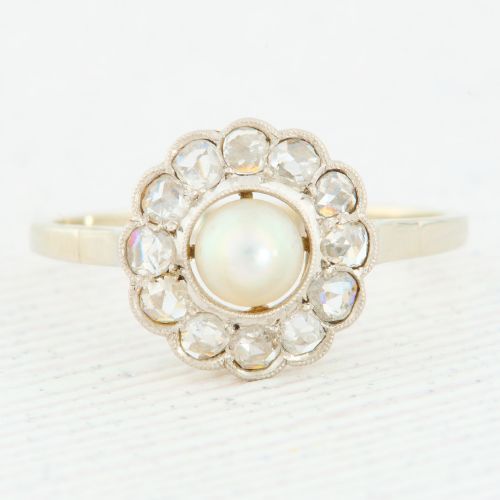
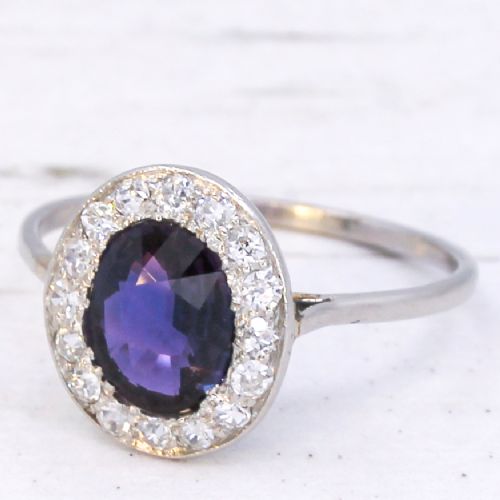
Art deco diamond halo pieces primarily take the form of cluster rings, pendants, earrings, and brooches featuring a prominent central stone surrounded by smaller diamonds.
The central gems frequently include sapphires, rubies, emeralds, and aquamarines, often paired with platinum or white gold settings characteristic of the period.
While genuine 1920s and 1930s items form the core of these listings, later revival periods also contribute similar geometric cluster designs.
Materials and construction methods
Platinum and 18ct white gold provide the structural framework for most pieces, offering the strength required for intricate milgrain detailing and secure claw settings.
Gemstones are often shaped into oval, emerald, cushion, or calibre cuts designed to fit closely together within the geometric parameters of the halo.
Some sapphire clusters hide tiny geometric air gaps beneath their bezels, proving human hands cut every facet before electricity was common in workshops.
Factors that influence quality
The grade, origin, and heat treatment of the central gemstone heavily dictate the overall character and desirability of each cluster arrangement.
Precision in the hand-cutting of surrounding diamonds and the crispness of the metalwork reveal the original maker's level of skill.
The Art Deco Diamond Halo Glossary
- Halo
- A ring of smaller accent stones surrounding a larger central gem. This design layout maximises visual impact and perceived gemstone scale.
- Calibre cut
- Gemstones specifically shaped and cut to fit tightly into geometric channels or patterns without gaps. This technique defines many linear period motifs.
- Milgrain
- A decorative beaded border rolled onto the edges of metal settings. It provides a delicate textural finish typical of early twentieth-century jewellery.
- Navette
- A boat-shaped gemstone or setting form that tapers to points at both ends. It creates an elongated silhouette on the finger or pendant drop.
- Old cut
- Diamond cutting styles predating modern brilliant standards, featuring smaller tables and high crowns. These stones display distinctive broad flash patterns under candlelight.
Art Deco Diamond Halo: Frequently Asked Questions
How do I wear an antique halo pendant?
Antique halo pendants typically suspend from fine platinum or white gold chains at the collarbone.
Their geometric proportions pair well with both evening wear and tailored daytime garments.
How do I distinguish 1920s mountings from later revivals?
Original 1920s and 1930s mountings often display specific handmade fabrication marks, such as hand-cut calibre stones and subtle milgrain edges.
Later revival pieces tend to show more uniform machine-led symmetry and different alloy stamps.
What central gemstones appear in these clusters?
Central stones commonly include blue and fancy sapphires, emeralds, rubies, aquamarines, and diamonds.
Each coloured variety brings distinct saturation and tonal depth that contrasts against the surrounding white diamonds.