




Art Deco Decorative Sculpture
Art deco decorative sculpture brings geometric vigour and stylised human or animal forms into a room, capturing an era of speed and sleek modernity.
Art Deco Decorative Sculpture
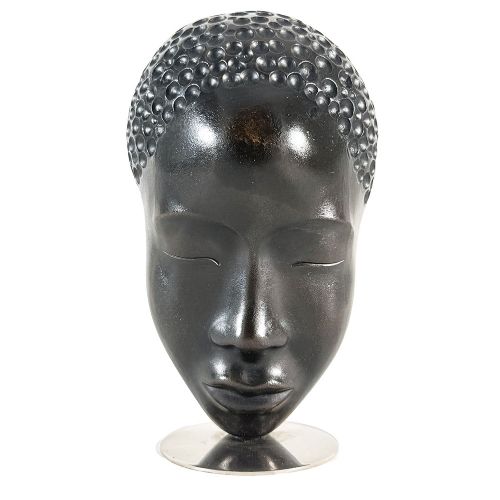
When searching for art deco decorative sculpture, buyers encounter pieces that span the interwar decades, taking the form of dancers, animals, bookends, and figural lamps. These objects combine the streamlined aesthetic of the period with functional utility, often serving as book supports or lighting alongside standalone figures.
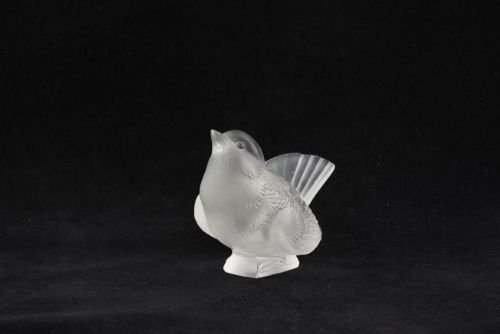
The versions most commonly met on this page originate from the nineteen-twenties and nineteen-thirties, manifesting as cast bronzes, spelter figures on stone plinths, and moulded glass pieces. Makers across France, Germany, and further afield produced these works to adorn domestic interiors with distinct stylistic panache.
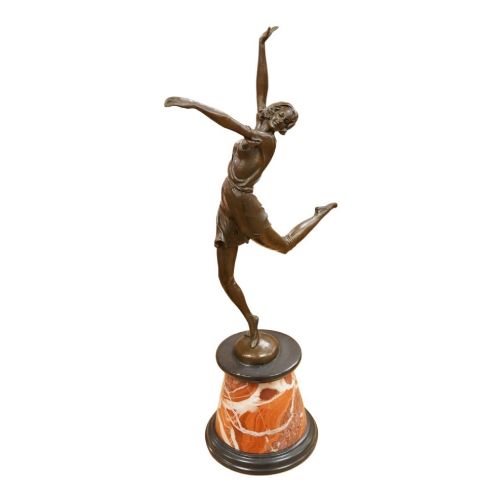
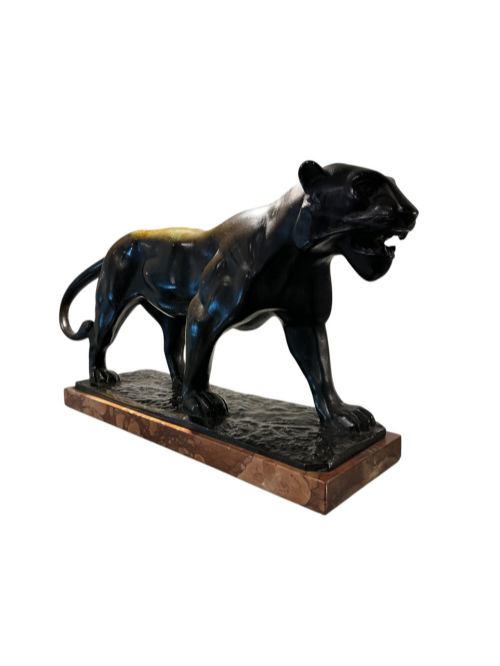
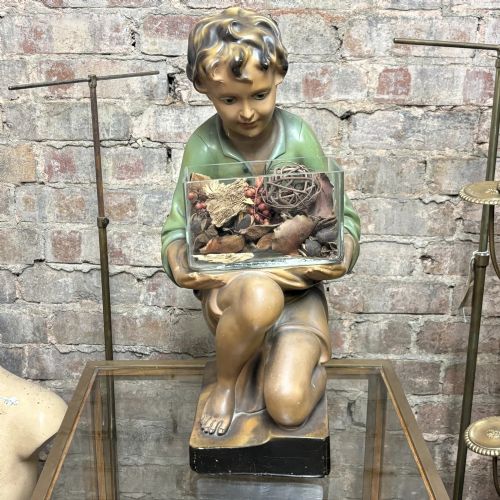
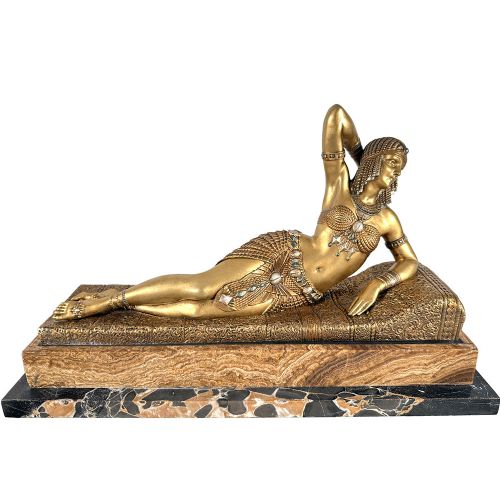
Figures range from cold-painted bronze dancers and athletic youths to stylised panthers and sea lions. Many incorporate bases of contrasting marble, onyx, or alabaster, which anchor the verticality of the sculptures and provide structural stability.
Materials and Working Methods
Foundries utilised bronze and spelter for figural casts, frequently applying patination, silvering, or cold-painted polychrome finishes to accentuate details on costumes and hair. Sculptors often combined these metal elements with heavy stone bases made of marble, onyx, or alabaster to create a balanced silhouette.
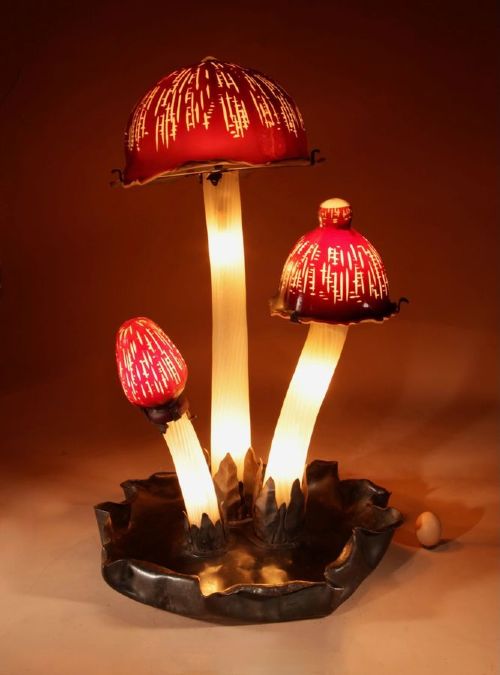
Glassworks employed moulding and frosted techniques to shape translucent figures, lamps, and decorative objects that diffused light across interior spaces. Woodcarvers also shaped dense timbers such as walnut and macassar ebony into tall pedestals and torcheres to support display pieces.
Potteries and ceramic studios shaped earthenware and terracotta, finishing surfaces with green and polychrome glazes to depict dancers and ladies in period dress. Stoneworkers carved obelisks and pedestals with clean, geometric lines typical of the era's architectural influence.
Listings feature works cast in bronze and spelter alongside pieces moulded from frosted glass and shaped in terracotta.
Distinctions in Execution and Finish
Quality separates mass-produced alloy castings from masterworks cast in bronze by established founders and named artists. The crispness of the chasing on metal surfaces and the subtlety of cold-painted or silvered finishes define the upper tier of sculptural output.
The choice and combination of natural base materials indicate standard of production, where solid veined marble or custom-fitted onyx elevates a piece above simpler timber or basic composite mounts. Precision in the joinery between figure and base remains a key indicator of workshop standard.
In glass and ceramic works, the depth of the mould, the clarity of the frosted surface, and the evenness of the glaze application distinguish superior studio output from standard commercial output.
Ferdinand Preiss·Demetre Chiparus·Pierre le Faguays·Josef Lorenzl·Marius Ernest Sabino·Alexandre Kelety·Ugo Cipriani·Bohumil Rezl
The Art Deco Decorative Sculpture Glossary
- Spelter
- A zinc alloy frequently used as a cost-effective substitute for bronze in the manufacturing of figures and bookends during the interwar period. It is often finished with metallic paints or patinas to simulate bronze.
- Patination
- The chemical treatment or natural ageing process that alters the colour of a metal surface. Founders used patination to create subtle brown, green, or dark tones on bronze sculptures.
- Caryatid
- A sculpted female figure serving as an architectural support taking the place of a column or pier. These figures appear in large glass and metal works of the period.
- Torchiere
- A tall floor lamp or pedestal designed to direct light upwards toward the ceiling. They were constructed from woods like walnut and macassar ebony during the nineteen-thirties.
Art Deco Decorative Sculpture: Frequently Asked Questions
What is art deco decorative sculpture?
Art deco decorative sculpture encompasses figures, bookends, lamps, and plaques created primarily during the nineteen-twenties and nineteen-thirties. These pieces reflect the dominant artistic movements of the interwar period through stylised human forms and dynamic animal subjects.
Craftsmen produced these objects in mediums ranging from cast bronze and spelter to glass and ceramics, often mounting them on stone bases for display in homes.
How were these sculptures used originally?
Original owners placed these decorative objects on mantelpieces, sideboards, desks, and bespoke pedestals to add modern elegance to their rooms. Many pieces served practical functions alongside their decorative appeal, acting as bookends, night lights, or table lamps.
Figurines and plaques were integrated into living spaces and hallways as focal points that demonstrated contemporary taste.
How do I care for bronze and stone?
Bronze figures require dusting with a soft, dry cloth and benefit from an occasional application of microcrystalline wax to protect the patina. Avoid using liquid cleaners or abrasive materials that can strip the original finish.
Stone bases made of marble or onyx should be wiped gently with a damp cloth and dried immediately to prevent moisture rings on the polished surface.
How do I identify period materials?
Interwar pieces rely on distinct material combinations such as patinated bronze paired with veined marble or onyx bases. Spelter can be distinguished from bronze by its lighter weight and occasional grey metal showing beneath worn paint.
Glass works from this era often feature heavy moulding, frosted textures, and signatures or foundry marks pressed directly into the material.