


Art Deco Cut Glass
Art deco cut glass pieces combine geometric facets with vibrant enamel and sterling silver mounts to define twentieth-century elegance.
Art Deco Cut Glass
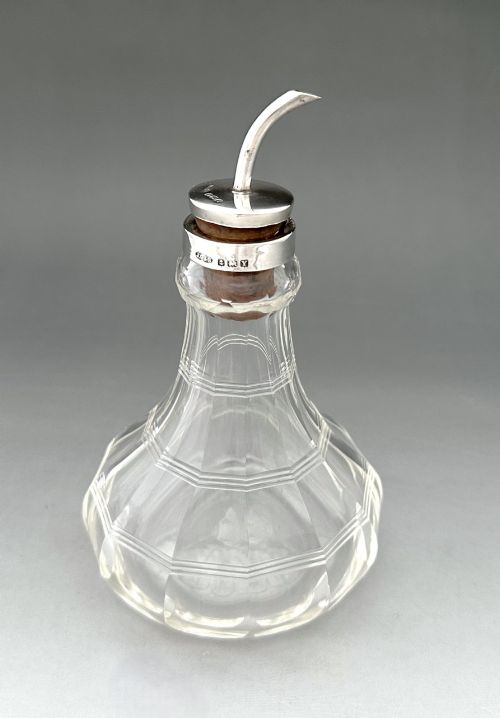
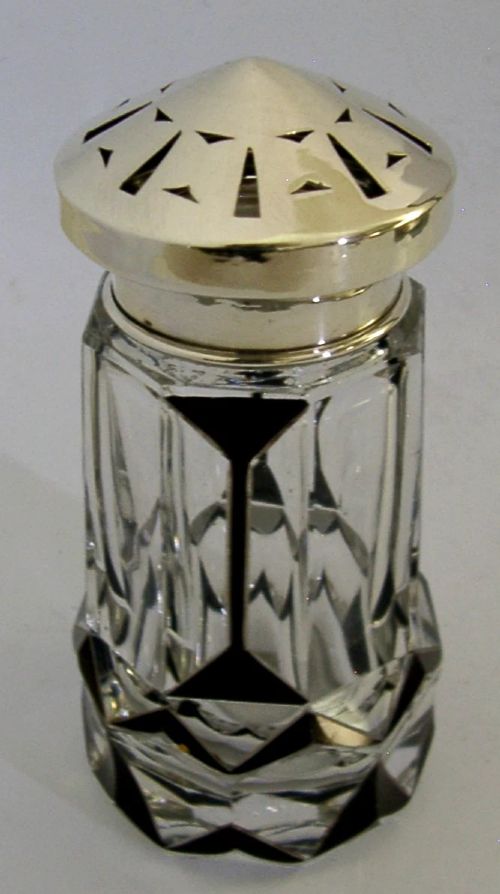
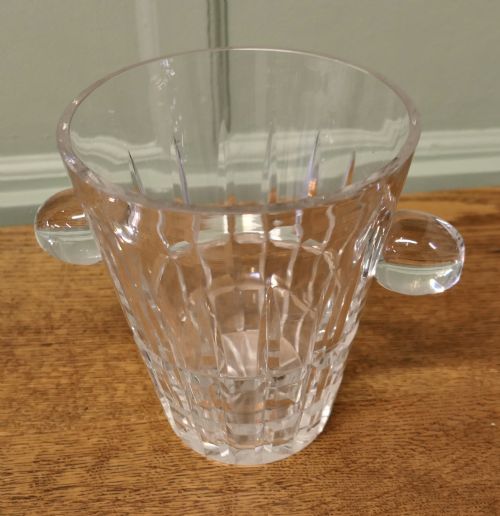
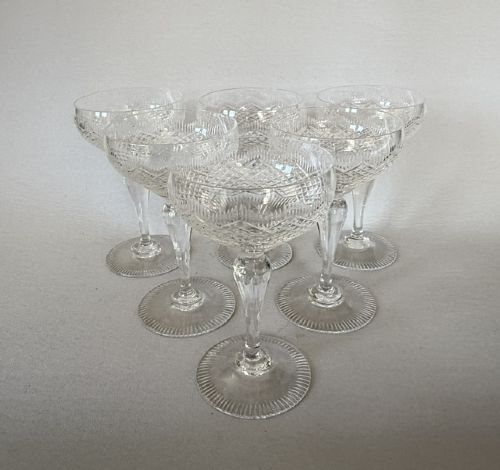
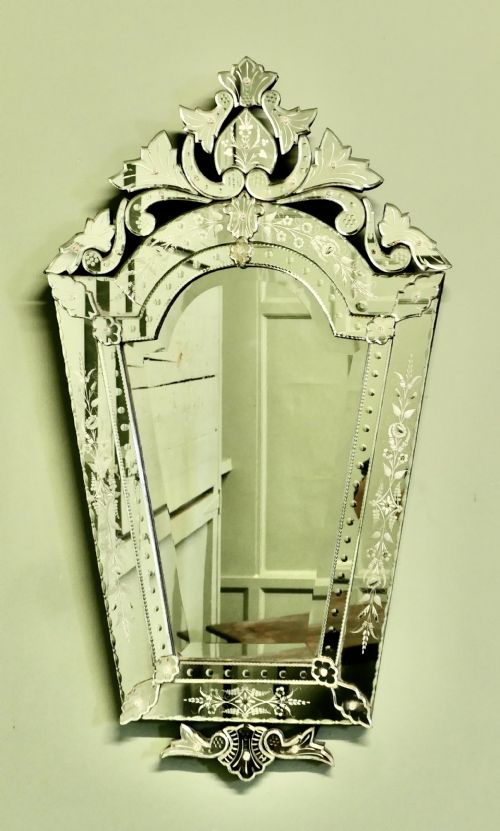
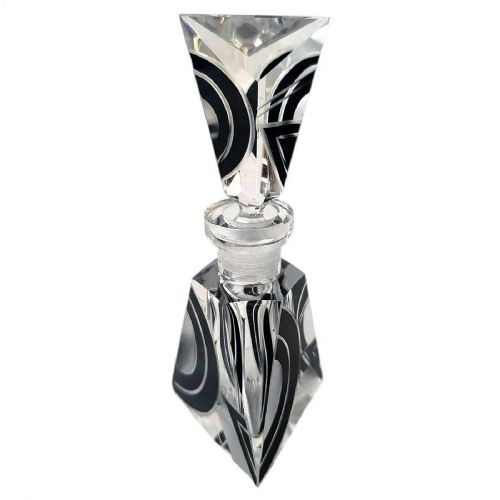
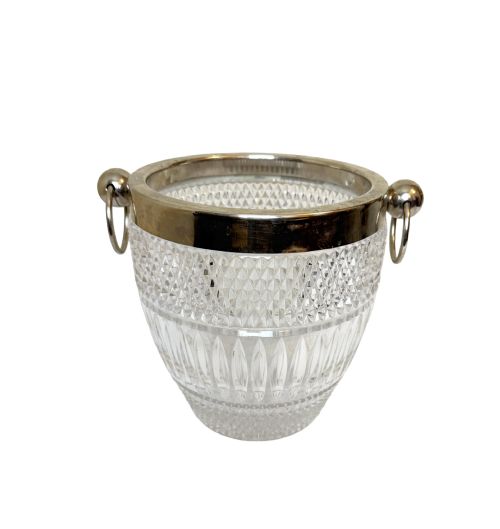
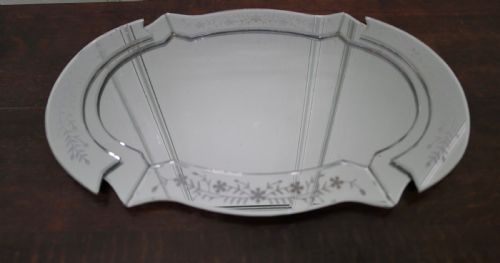
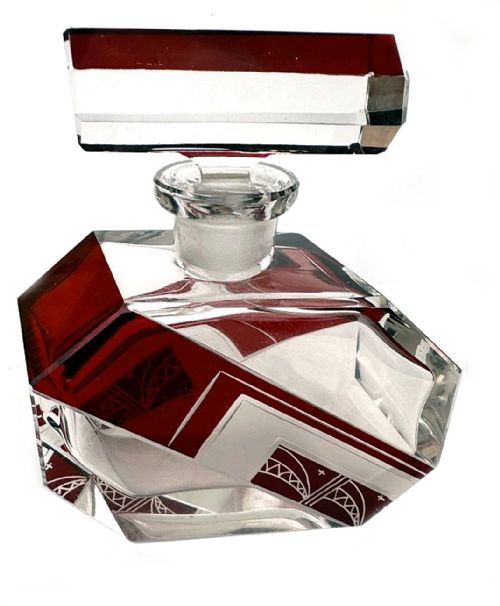
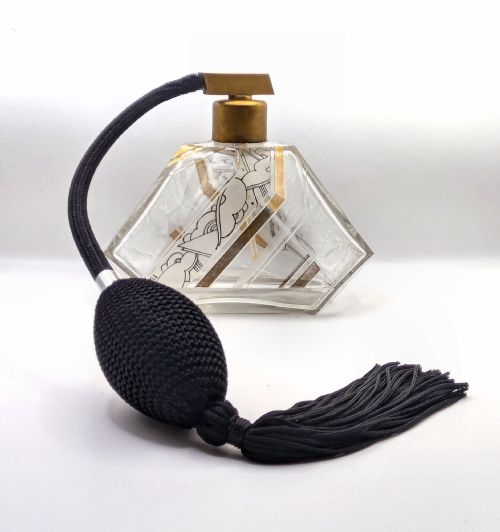
Art deco cut glass encompasses functional objects and display items ranging from dressing table jars and perfume bottles to ice buckets and drinking vessels. These items draw heavily on the 1920 and 1930 periods, showcasing sharp geometric facets and clean lines typical of the style. Table lamps, wall mirrors, and decanter sets also populate the category, often enhanced by metal mounts.
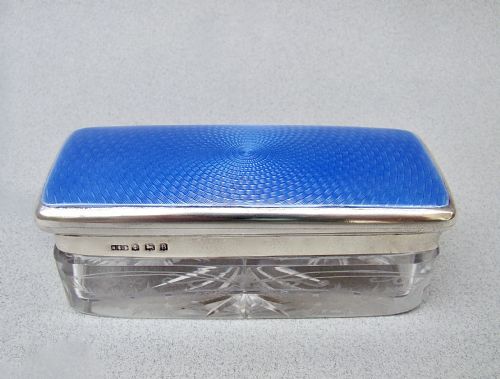
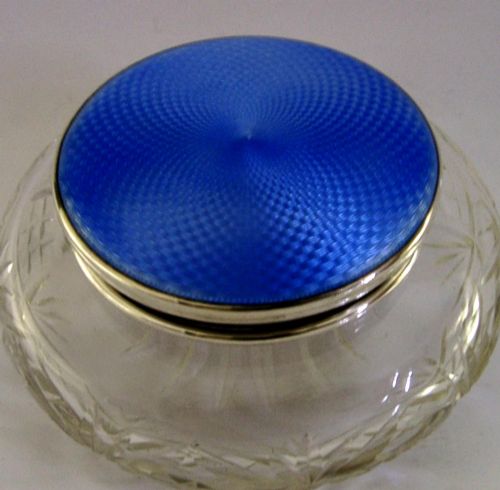
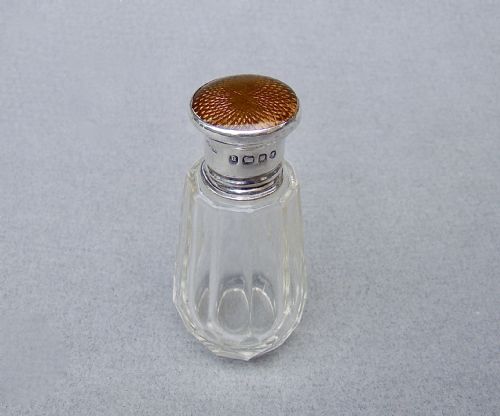
The objects frequently merge heavy crystal or lead crystal bodies with contrasting media such as sterling silver, brass, and colourful enamel. Many examples originate from continental makers in Belgium and the Czech Republic, alongside British production associated with assay office hallmarks. Buyers frequently encounter dressing table pots paired with guilloché enamel lids or moulded glass vases featuring overlay techniques.
What varies in quality
The calibre of art deco cut glass rests on the crispness and depth of the wheel-cut facets, where sharper angles and cleaner terminations distinguish superior studio execution. Weight and clarity of the crystal body further separate standard utility wares from luxury production suites. Furthermore, the precision of the silver mounts and the smoothness of applied guilloché enamel indicate the tier of the workshop responsible.
Makers and specific design signatures elevate certain pieces, particularly when attributed to prominent glasshouses or identified designers. The presence of factory marks, hallmarked sterling silver frames, and intact enamel work without chips or restoration marks dictates the standing of individual specimens within the wider field.
Cherry-shaped cocktail sticks tucked neatly inside a cut glass holder bring a playful touch of 1930s cocktail hour directly to the table.
Henry Clifford Davis·Karl Palda·Henry Perkins·Joseph Simon·Charles Graffart·Stuart Crystal·Val St Lambert·Henry Williamson
The Art Deco Cut Glass Glossary
- Guilloché enamel
- A decorative technique where a metal surface is mechanically engraved with intricate geometric patterns beneath a translucent coloured enamel layer.
- Lead crystal
- A heavy variety of glass containing metallic oxide that increases refractive index, brilliance, and workability for deep cutting.
- Overlay
- A manufacturing method involving layers of different coloured glasses fused together before portions are cut away to reveal contrasting hues.
- Hallmark
- An official stamp applied by an assay office to indicate the purity of precious metal mounts such as sterling silver.
- Atomiser
- A perfume bottle fitted with a spray mechanism and bulb, frequently produced during the 1930 period with metal and glass components.
Art Deco Cut Glass: Frequently Asked Questions
How do I date art deco cut glass?
Dating relies heavily on accompanying metal hallmarks, assay office records, and stylistic indicators typical of the 1920 and 1930 decades. Silver mounts often bear date letters that pinpoint the exact year of manufacture.
Design motifs also assist with chronology, as strict geometric cuts and bright enamel palettes align closely with interwar production trends. Unmarked items are generally assessed through glass weight, colour tendencies, and known maker profiles.
What were dressing table jars used for?
These lidded pots held powders, creams, and pins on vanity tables during the early twentieth century. Their decorative silver and enamel tops matched companion perfume bottles and brushes.
Today, they serve as small storage containers for trinkets and jewellery. Their compact forms make them suitable for display on open shelves or dressing surfaces.
Are these glass pieces fragile?
Heavy lead crystal and thick-walled glass offer substantial durability, though sharp edges and corners remain susceptible to impact chips. Silver mounts and enamel lids demand careful handling to prevent dents or surface crazing.
Displaying pieces away from table edges and high-traffic pathways minimises accidental damage. Normal domestic use is appropriate provided sudden thermal shocks are avoided.