


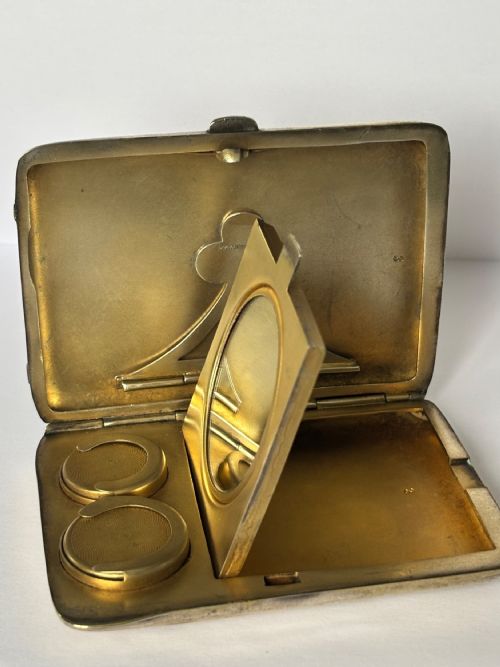


Art Deco Compact Mirror
An art deco compact mirror brings geometric precision and rich enamel to your dressing table, offering a pocket-sized piece of Jazz Age elegance.
Art Deco Compact Mirror
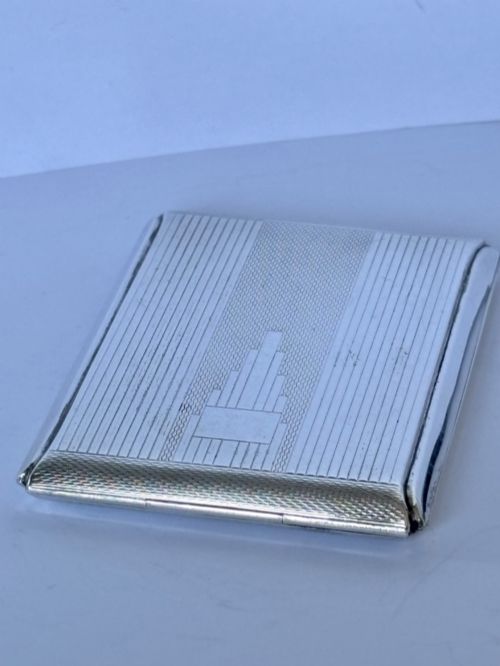
When you search for an art deco compact mirror, you are looking at functional vanity items that capture the design spirit of the interwar decades. The pieces you meet on this page span the 1900s through the 1930s, featuring prominent examples from the height of the Art Deco movement alongside Chinese Export Silver work.
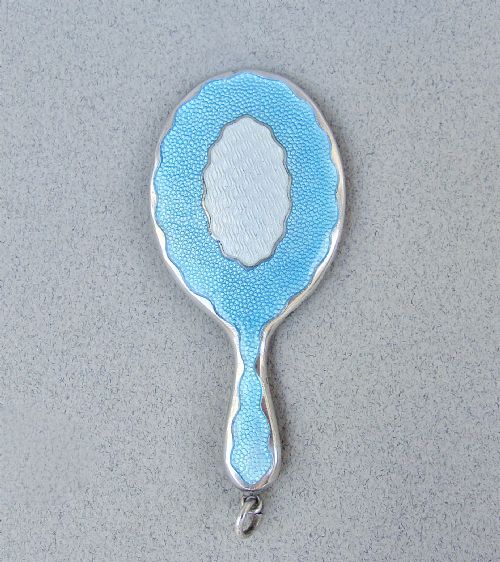
Forms range from simple powder compacts and vanity cases to combination pieces that incorporate coin cases, lipsticks, and card holders. Many examples double as miniature purse mirrors or novelty hand mirrors, designed to slip easily into an evening bag.
The aesthetic leans heavily on clean architectural lines, symmetrical patterns, and occasional figural or celestial motifs like the Richard Hudnut two faces design. These objects served as both cosmetic tools and fashionable accessories for the modern woman of the period.
Materials and Construction
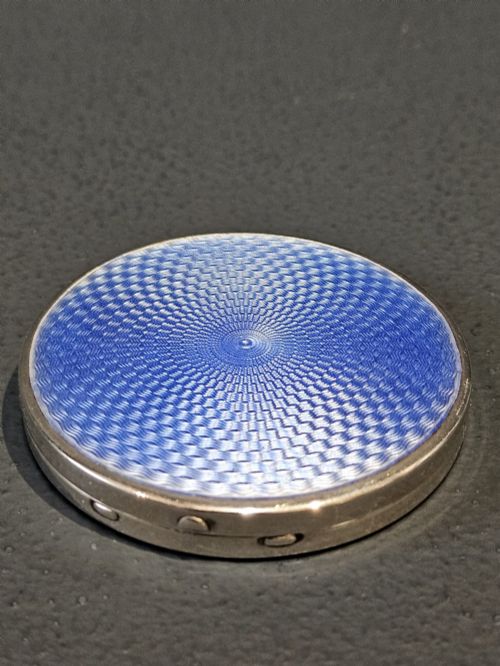
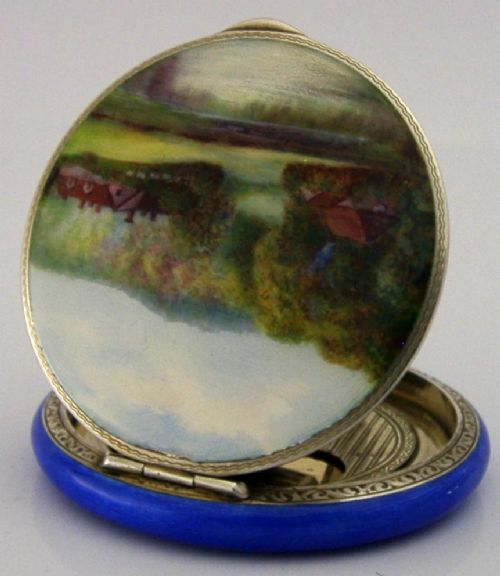
Makers utilised a combination of sterling silver, German silver, silver-gilt, brass, and chrome to form the structural body of each case. Surface decoration frequently relied on vitreous enamel and guilloché enamel, often hand-painted with intricate geometric or floral details.
Engine turning and cast techniques provided tactile texture to metal surfaces, catching the light beneath translucent layers of blue or multi-coloured enamel. Interiors might include fitted mirrors, suede linings, and specialised compartments for loose powder, rouge, and sovereign cards.
Art Deco Compact Mirror Retail Price Guide 2026
Typical asking prices for art deco compact mirror among the pieces listed under this phrase on Sellingantiques today, from the lower quarter to the upper quarter. They describe what is for sale here now, not the wider market.
Some compacts doubled as card cases, ensuring owners could touch up their powder and check their bridge scores with equal poise.
Assessing Craftsmanship and Detail
Quality in these vanity accessories rests on the crispness of the metalwork and the complexity of the enamel surface. Pieces featuring multi-coloured guilloché patterns or hand-painted details display a higher degree of artisan skill than plain metal cases.
The inclusion of maker marks from established silversmiths or renowned cosmetic houses like Richard Hudnut elevates a piece. Furthermore, the survival of internal elements such as original mirrors and suede linings distinguishes superior survivors from heavily altered examples.
Henry Williamson·Henry Matthews·Richard Hudnut·Houbigant·Searle And Co
The Art Deco Compact Mirror Glossary
- Guilloché enamel
- A decorative technique where a precise mechanical pattern is engraved into metal beneath a translucent layer of enamel. This creates shifting geometric reflections that change in the light.
- Sterling silver
- An alloy consisting of silver and other metals, typically copper, standardly marked to guarantee purity. It provides a durable and bright foundation for enameled vanity pieces.
- Silver-gilt
- Silver that has been coated with a thin layer of gold on its surface. This finish adds a warm, luxurious tone to the interior or exterior of a compact case.
- Engine turned
- A method of mechanical engraving that cuts intricate, repeating geometric patterns into metal surfaces. It was widely used on 1920s and 1930s accessories to add texture.
- Vitreous enamel
- Glass fused to the surface of metal through high-temperature firing. It forms a hard, glossy coloured coating resistant to daily wear.
Art Deco Compact Mirror: Frequently Asked Questions
What is a combination compact?
A combination compact is a multifunctional vanity accessory designed to hold several items at once, such as loose powder, rouge, lipstick, and sovereign cards. These pieces reflect the practical needs of women during the 1920s and 1930s.
They often feature clever mechanical hinges and sliding compartments within a sleek metal shell. Finding one with all original internal components intact is particularly satisfying for collectors.
How do I care for antique enamel?
Antique enamel requires gentle handling to preserve its glossy surface and prevent chipping. Clean the piece with a soft, dry cloth and avoid harsh chemical dips or ultrasonic cleaners.
Store your compact away from direct sunlight and extreme temperature fluctuations to protect both the metalwork and the delicate glass coatings.
Were these made for loose powder?
Most compacts from this era were manufactured for loose powder before the invention and widespread adoption of pressed powder cakes. You will frequently find internal sifters or empty wells intended for loose cosmetics.
Some examples also include miniature powder puffs tucked beneath the lid or secured inside a dedicated compartment.
How can I tell a 1920s piece from a 1930s piece?
Items from the 1920s often lean into ornate guilloché enamel and delicate sterling silver framing inspired by late Art Nouveau transition and early Deco symmetry. Maker marks and hallmarks can also provide precise date letters.
By the 1930s, designs frequently embraced bolder chrome finishes, mesh bodies, and streamlined geometric forms that reflected machine-age influences.