








Art Deco Canvas Art
Art deco canvas art brings the graphic elegance and bold figures of the interwar period straight onto your walls.
Art Deco Canvas Art
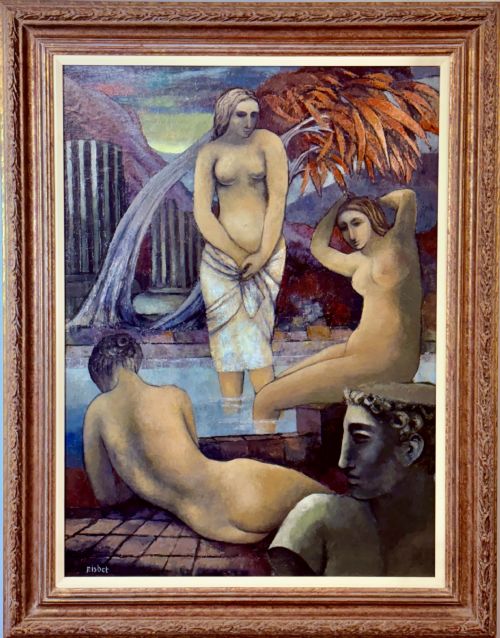
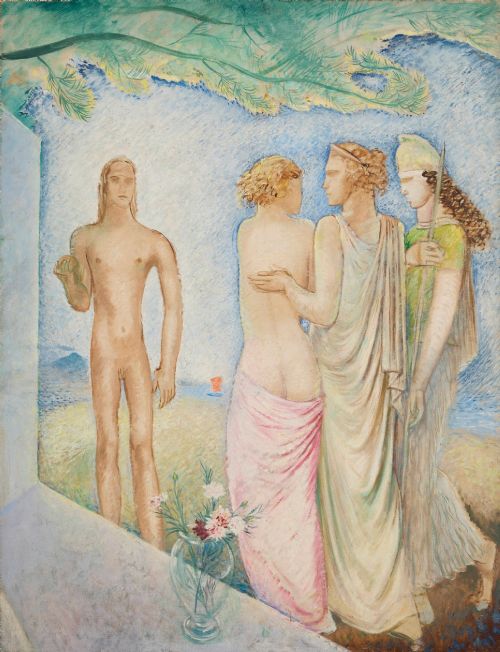
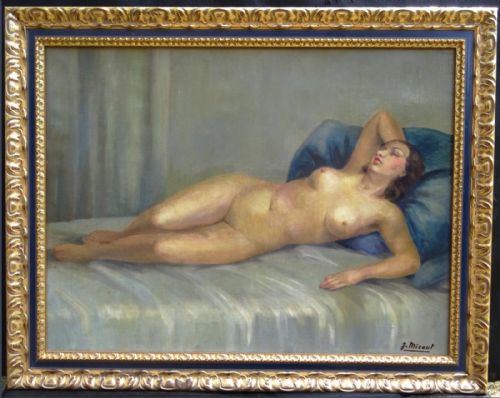
Art deco canvas art covers oil paintings executed on canvas support, spanning figure studies, still lifes, and landscapes produced primarily during the 1920s and 1930s. Buyers searching this phrase will find a strong representation of French School portraits, female nudes, and bohemian interior scenes from Montparnasse.
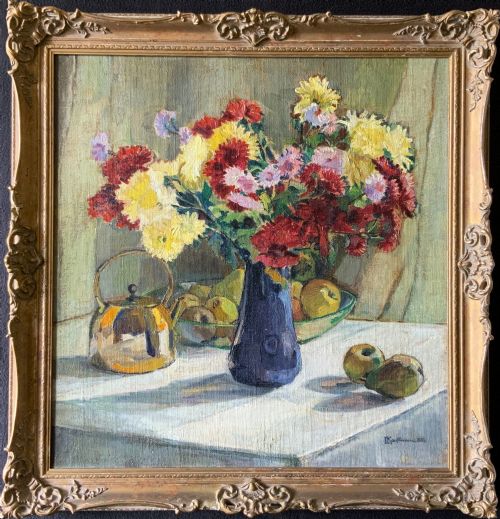
The dominant forms on this page include framed oil paintings on canvas alongside related occasional pieces like steamer trunks. Works range from intimate still lifes of flowers and fruit to sweeping Mediterranean landscapes and abstract compositions.
Originating largely from European workshops and named artists of the early twentieth century, these works capture the distinctive aesthetic of the period. The selection leans heavily into the stylistic shifts of the 1920s and 1930s, featuring modernist touches and school of Paris sensibilities.
Materials and construction methods
These pieces rely on traditional painterly foundations, utilising oil paint applied directly onto stretched canvas surfaces. Some works employ oil on paper mounted securely onto canvas, reflecting the varied preparatory methods of the period.
Frames incorporate timber and gilt mouldings designed to complement the canvas work. Structural housing for related items such as trunks utilises durable wood combined with canvas coverings suited to travel and daily use.
Art Deco Canvas Art Retail Price Guide 2026
Typical asking prices for art deco canvas art among the pieces listed under this phrase on Sellingantiques today, from the lower quarter to the upper quarter. They describe what is for sale here now, not the wider market.
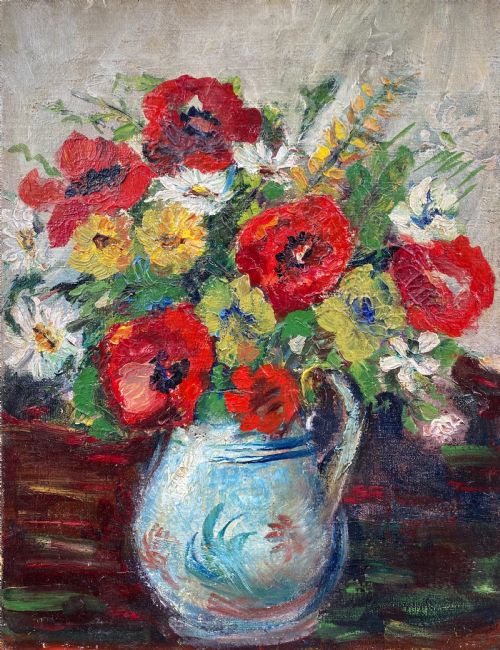
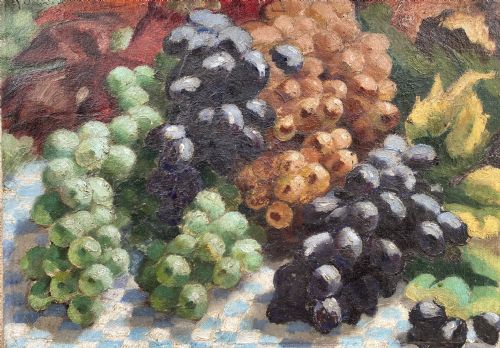
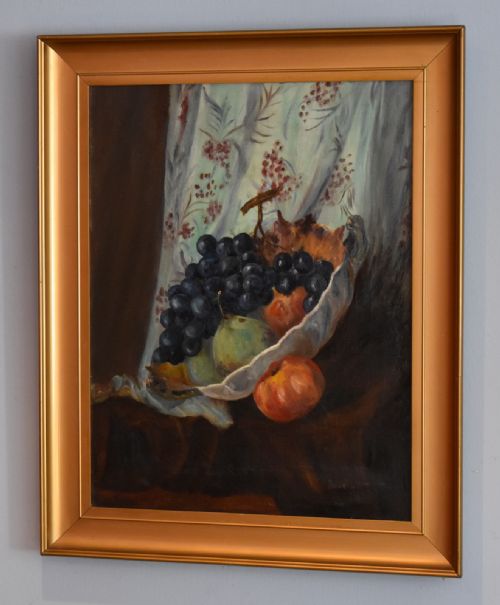
Several canvases capture domestic tranquility through grapes, poppies, and wine glasses set upon chequered tablecloths.
Factors that distinguish quality
The distinction between tiers rests on the handling of paint and the confidence of the brushwork. Masterful compositions display deliberate application of oil paint, creating depth in portraits and landscapes alike.
Provenance and attribution elevate certain works, particularly signed originals by documented painters of the French School. The coherence of the period style and the preservation of the original canvas and frame further separate standard decorative examples from superior collector pieces.
Christine Nisbet·Glyn Warren Philpot·Raymond Moritz·Gaetan Dumas·Georges Goursat·Albert Guillaume·Hartman Luggage Co·Burr Singer·William Dring
The Art Deco Canvas Art Glossary
- Canvas
- A heavy woven fabric used as a surface for oil painting. It provides the tensile strength required for stretching over wooden frames.
- Gilt
- A thin layer of gold leaf or gilt paint applied to picture frames and decorative objects. It enhances the visual weight of the surround.
- Impressionist
- A style of painting emphasising light and rapid brushstrokes. This approach influences several still life and landscape works in the collection.
- Still life
- An artwork depicting inanimate subject matter, typically commonplace objects such as flowers or food. These compositions highlight the textural qualities of oil paint.
Art Deco Canvas Art: Frequently Asked Questions
What defines art deco canvas art?
Art deco canvas art comprises oil paintings created during the 1920s and 1930s that reflect the modernist styles, bold lines, and distinct cultural shifts of the interwar period. The category encompasses figure studies, still lifes, and landscapes.
These pieces capture the artistic output of European studios, particularly the French School and Montparnasse bohemian circles. They serve as primary visual records of the era's aesthetic priorities.
Where were these paintings produced?
The majority of these works originate from European art centres, with a strong concentration of French artists and studios. Paris served as a major hub for the modernist and impressionist tendencies seen in these collections.
Makers and painters working in these regions drew inspiration from local landscapes, domestic interiors, and studio settings. This regional focus gives the selection a cohesive stylistic identity.
How do I display these paintings?
Displaying these works involves selecting wall space that accommodates their original framed dimensions and lighting them to highlight the oil paint textures. Keeping them away from direct sunlight preserves the integrity of the canvas and pigment.
Pairing them with period furniture or complementary interior elements enhances their visual impact. Proper hanging ensures the structure remains secure over time.
How are periods identified?
Periods are identified through stylistic markers, artist signatures, framing techniques, and canvas preparation methods typical of the early twentieth century. Documentation and signatures from artists active between 1910 and 1940 provide firm chronological anchors.
The progression from Belle Epoque influences into strict art deco and mid-century realism offers clear visual cues for dating individual canvases.