





Art Deco Barware Tray
An art deco barware tray brings geometric polish and sharp lines straight to the cocktail hour, setting the scene for serious entertaining.
Art Deco Barware Tray
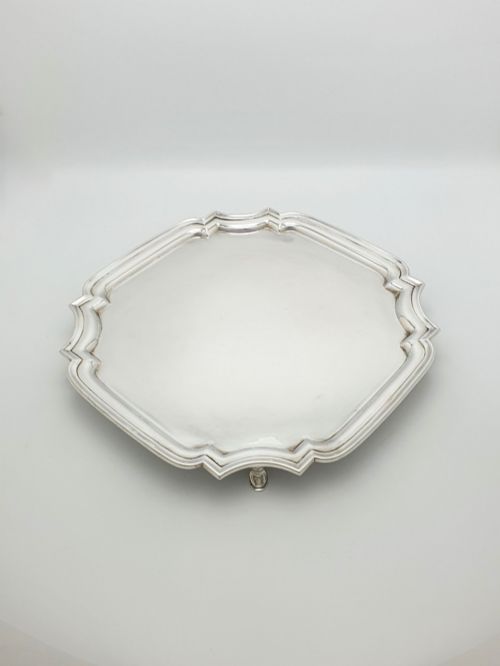
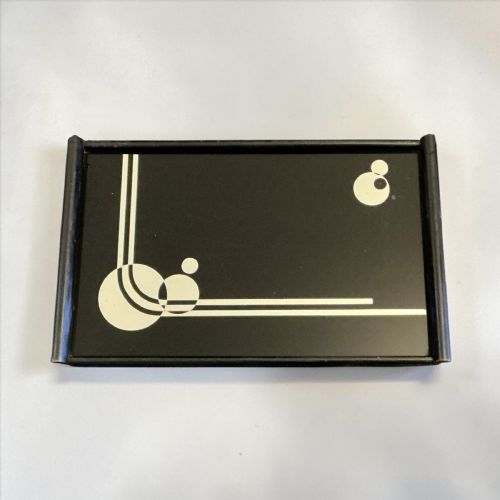
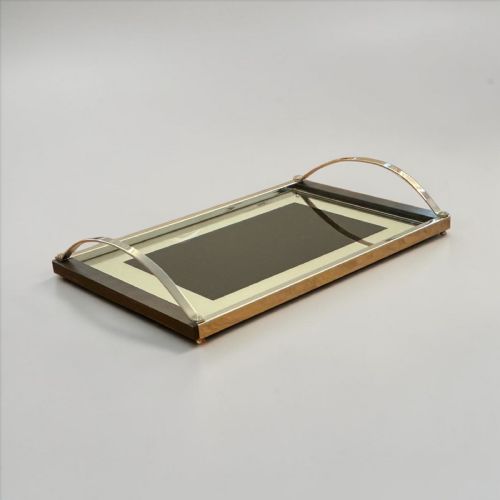
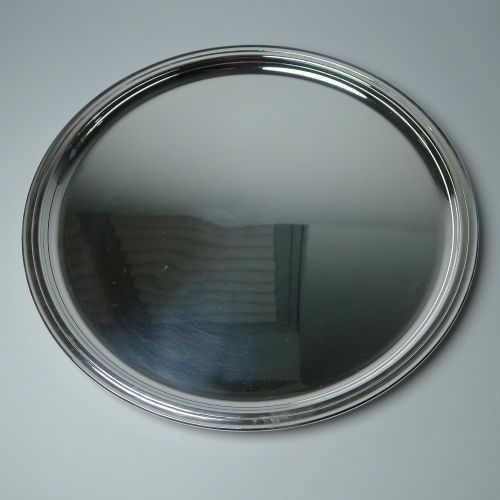
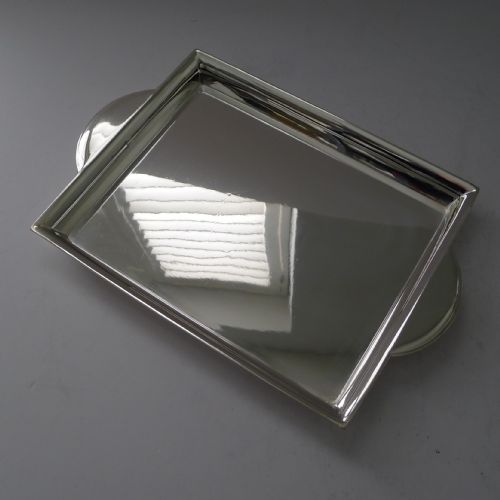
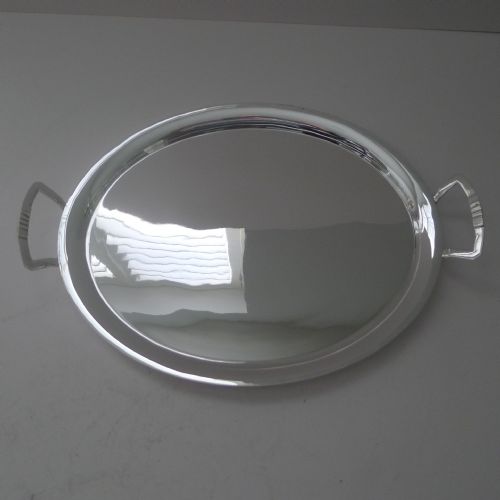
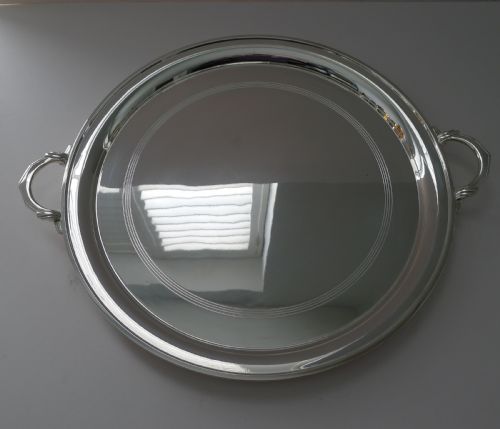
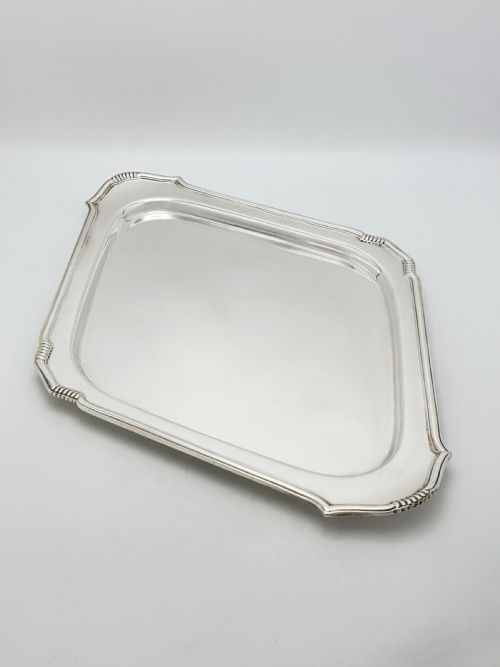
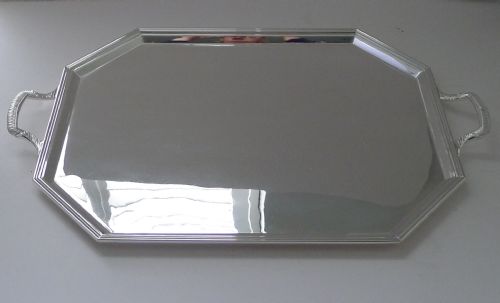
An art deco barware tray serves as the foundational platform for mixing and pouring drinks, taking the form of circular, diamond-shaped, and rectangular platters equipped with handles or galleries. Most examples found here date from the 1920s and 1930s, reflecting the high-glamour dining and hosting habits of the period.
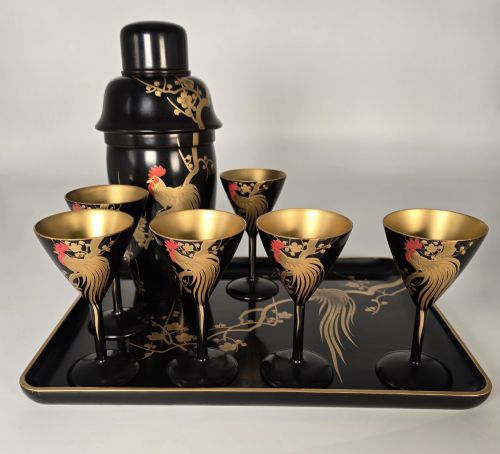
Makers produced these serving pieces in varied configurations, from simple mirrored surfaces to complete matching decanter sets. Alongside standard silver-plated metalwork, buyers encounter modernist French wood designs and hand-painted Japanese lacquer.
The aesthetic leans heavily on clean, symmetrical geometry, engine-turned detailing, and the juxtaposition of reflective glass against polished metal. These items range from utilitarian domestic serving pieces to named studio designs intended for display.
Materials and construction
Silver plate and nickel silver form the metallic backbone of these pieces, often worked with engine-turning or geometric patterns to catch the light. Workshops combined these metals with glass, mirror plates, and exotic woods like Macassar ebony to create high-contrast surfaces suited to heavy use.
Specialist items incorporate delicate materials such as hand-painted Japanese lacquer or moulded glass inserts from Czech makers and French studios. Metal handles in copper or plated brass are securely riveted or soldered to the main body, balancing practical durability with sleek styling.
Art Deco Barware Tray Retail Price Guide 2026
Typical asking prices for art deco barware tray among the pieces listed under this phrase on Sellingantiques today, from the lower quarter to the upper quarter. They describe what is for sale here now, not the wider market.
Keep an eye out for novelty barware depicting Charlie Chaplin, proving that cocktail hour took its humour as seriously as its style.
What separates the best from the rest
The distinction between standard commercial production and top-tier execution rests on the reputation of the silversmith, silversmithing firm, or designer involved. Pieces bearing marks from established houses like Christofle, Mappin & Webb, or Asprey demonstrate superior weight, crisper stamping, and more considered proportions.
Material integration also dictates standard; a heavy silver-plated frame holding an intact, bevelled mirror plate or hand-painted lacquer panel commands greater attention than plain stamped sheet metal. The presence of known collaborations, such as Keith Murray's work for Mappin & Webb, elevates an item beyond ordinary workshop output.
CW Fletcher·Christofle Paris·Asprey London·Mappin & Webb·J B Chatterley & Sons·Hukin & Heath·James Dixon & Sons·John Collyer & Co·Roberts & Dore·Elkington·Roberts & Belk·Atkin Brothers·Mosey
The Art Deco Barware Tray Glossary
- Silver plate
- A layer of pure silver fused over a base metal foundation such as nickel silver or copper. This technique allowed makers to achieve the look of solid silver at a commercial scale.
- Engine-turned
- A mechanical decoration technique producing intricate, geometric patterns of fine engraved lines on metal surfaces. It was widely used on 1920s and 1930s trays to reduce glare and hide minor surface wear.
- Macassar
- A dense, highly figured tropical hardwood with dark brown and black streaks, favoured by French modernist designers. It provided a rich, tactile contrast to polished chrome and mirrored glass.
- Salver
- A formal serving tray, usually elevated on small feet or featuring a decorative rim. In barware contexts, the term often overlaps with serving tray and cocktail tray.
- Cendrier
- The French term for an ash tray. These items frequently accompanied period drinking sets as part of coordinated smoking and cocktail accessories.
Art Deco Barware Tray: Frequently Asked Questions
How do I clean an old silver-plated tray?
Use a non-abrasive silver polish applied with a soft cloth, working gently around handles and raised rims to preserve the underlying finish.
Avoid submerging trays that incorporate wood, lacquer, or mirrored glass bases in water to prevent moisture damage to the joints.
Can I use these trays for serving drinks today?
These pieces were built for hosting and remain fully functional for carrying glassware, decanters, and cocktail shakers.
Take care to lift them by their handles rather than sliding them across abrasive surfaces to protect the original plating and base materials.
What is the difference between a cocktail tray and a drinks tray?
The terms are largely interchangeable among period makers, though cocktail trays often feature geometric shapes suited specifically to shaker sets and stemmed glasses.
Drinks trays can encompass larger rectangular or oval formats designed to hold decanters, ice buckets, and multiple tumblers.
How do I identify the maker of a tray?
Inspect the underside, rims, or handles for stamped maker's marks, hallmarks, or firm names such as Christofle or Mappin & Webb.
These stamps often include registry numbers or symbols that indicate the metal standard and approximate manufacturing decade.