



Armour Oil Painting Portrait
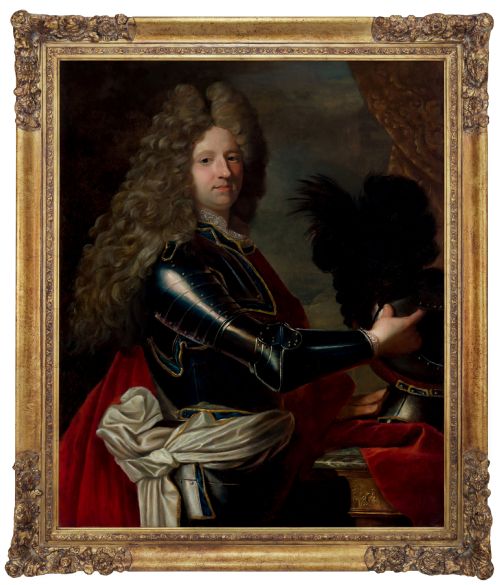
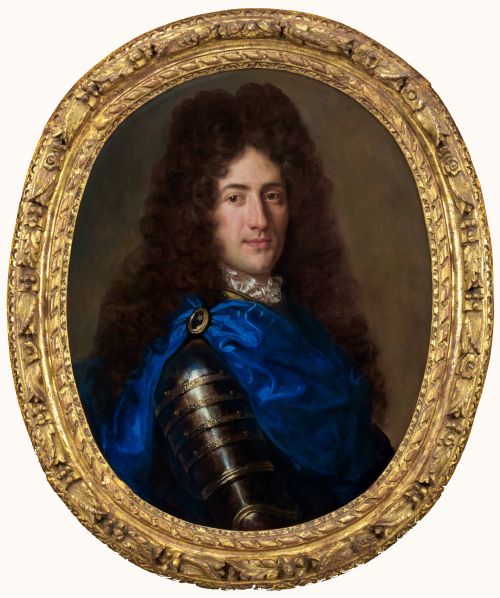
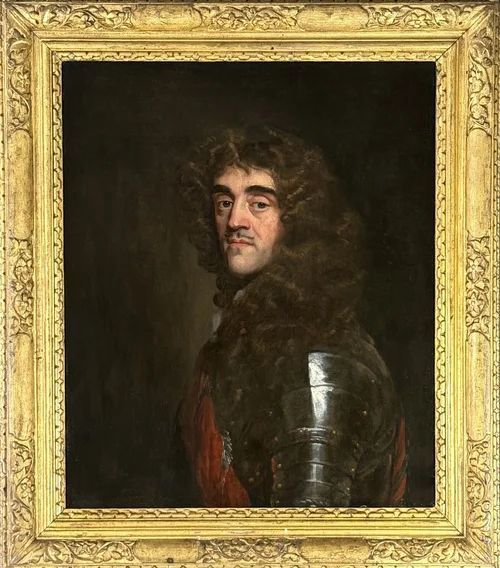
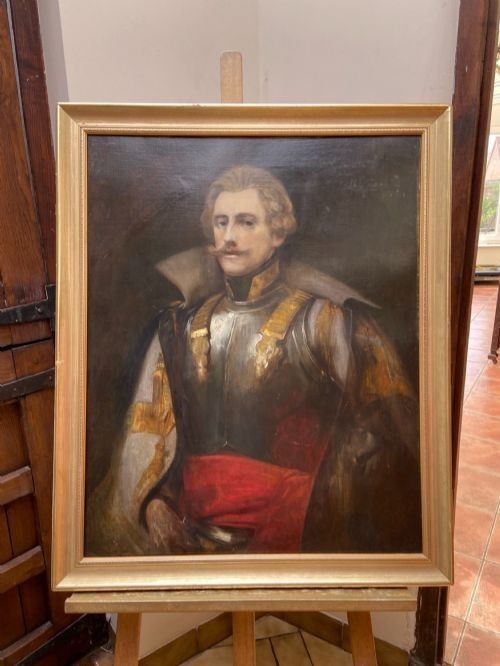
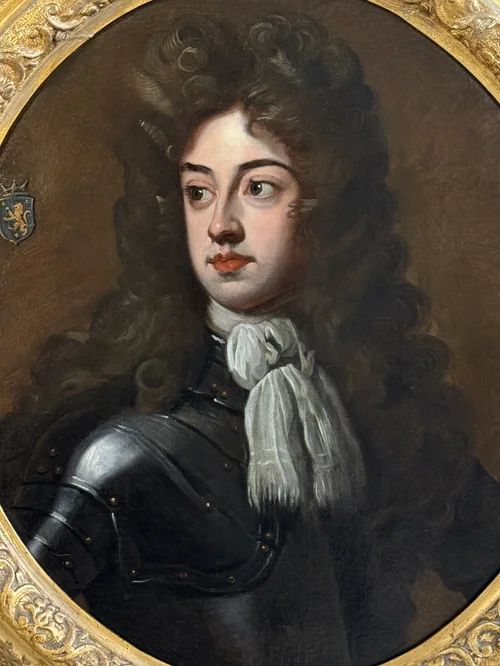
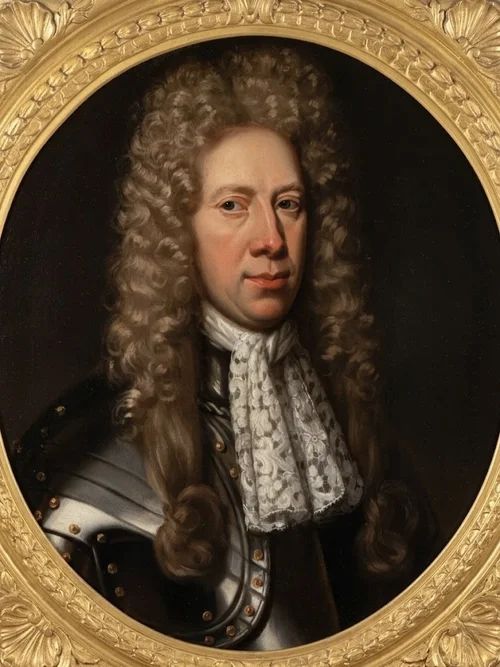
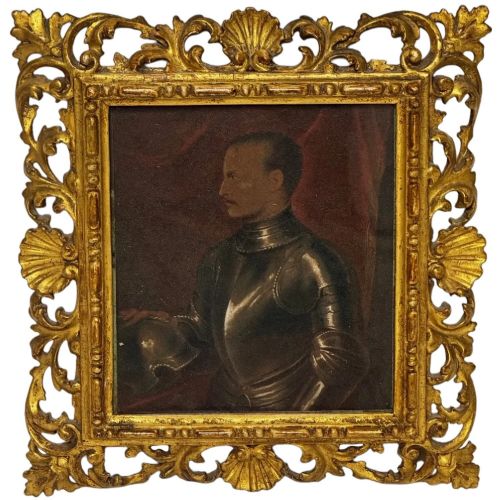
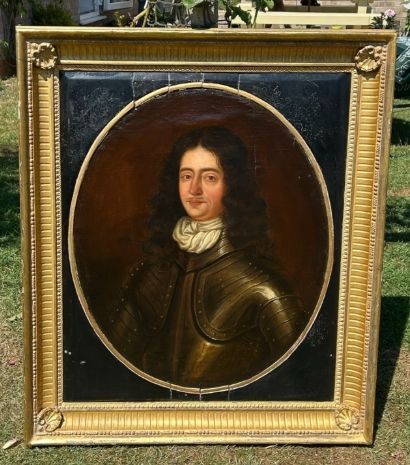
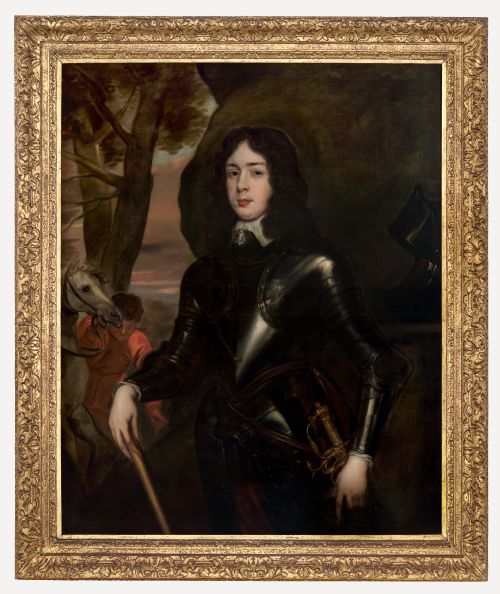
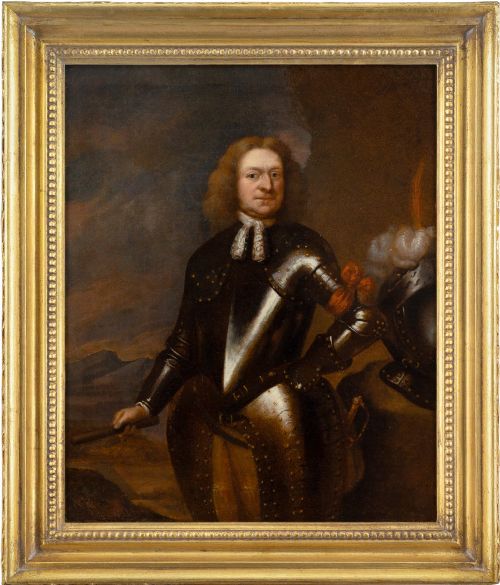
These works capture sitters encased in polished steel, combining martial authority with the restrained dignity of oil paint on canvas.
Armour Oil Painting Portrait
An armour oil painting portrait depicts aristocratic officers, cavaliers and monarchs wearing polished steel breastplates and helmets, capturing martial status alongside individual likeness. These pieces frequently emerge from the seventeenth and eighteenth centuries, though nineteenth-century revivals also appear across the selection.
The subjects range from royal figures such as King Charles I to unidentified gentlemen and military officers, often rendered in three-quarter or half-length formats. Viewers regularly encounter canvases framed in heavy giltwood that complement the sombre tones of the metalwork.
Stylistic influences span the Baroque, French Baroque and Elizabethan Revival, reflecting changing European tastes in portraiture over successive centuries. The compositions balance the rigid geometry of plate armour with flowing drapery, lace cravats and velvet cloaks.
How they were made
Artists built these works using oil paint applied to stretched canvas, often preparing the ground with dark underpainting to create deep shadow beneath polished metal surfaces. Pigments were layered to catch highlights on steel plates, pauldrons and gorgets, contrasting metallic coldness against warm flesh tones.
Makers utilised carved timber frames finished with giltwood, providing a heavy architectural boundary that enhanced the perceived depth of the interior space. The integration of oil paint with canvas allowed painters to blend pigments smoothly, rendering the intricate reflections on steel and the texture of embroidered sashes.
Several noble sitters wore heavy steel breastplates indoors while casually sporting delicate lace cravats and velvet cloaks.
What varies in quality
Quality rests upon the artist's ability to render the weight and reflectivity of steel alongside convincing facial anatomy, separating master workshops from provincial copyists. Skilled hands manipulate light across the curvature of a breastplate to suggest three-dimensional volume rather than flat grey pigment.
Hyacinthe Rigaud·Sir Godfrey Kneller·Sir Anthony van Dyck·Nicolas De Largillière·John Closterman
The Armour Oil Painting Portrait Glossary
- Oil on canvas
- A painting medium where pigments are suspended in drying oils and applied to a woven fabric support stretched over a wooden frame. This combination allows for rich blending and deep glazes.
- Giltwood
- Timber carved and coated with a thin layer of gold leaf or metallic powder, frequently shaped into ornate frames for fine art. These frames add significant visual weight to the artwork.
- Baroque
- An artistic style originating around the seventeenth century characterised by dramatic movement, deep shadow and grand scale. It emphasises theatricality and emotional intensity in portraiture.
- Cavalier
- A term often associated with supporters of the monarchy during the mid-seventeenth century, identifiable by long hair, lace collars and military attire. These figures form a common subject in period portraiture.
- Cuirassier
- A type of cavalry soldier equipped with a cuirass consisting of a breastplate and backplate. Portraits of these officers highlight heavy military protection combined with officer sashes.
Armour Oil Painting Portrait: Frequently Asked Questions
What periods do these portraits date from?
The works span multiple centuries, with a strong concentration of pieces originating in the seventeenth and eighteenth centuries during periods of active military conflict and dynastic change. Later nineteenth-century examples also appear, reflecting a persistent historical revival interest.
Collectors encounter both original period paintings and subsequent interpretations executed in historicising styles, each carrying distinct physical characteristics tied to their respective eras.
How should I hang an oil painting?
Selecting a stable interior wall away from direct sunlight and dramatic temperature fluctuations protects both the canvas and the original giltwood frame from warping or cracking. Adequate wall fixings matched to the weight of the heavy wooden frame are essential for secure installation.
Positioning the work at eye level allows the viewer to properly appreciate the subtle play of light across the metallic armour surfaces and facial details.
Who are the typical sitters depicted?
The subjects are predominantly military commanders, noblemen, aristocrats and royalty who wished to record their authority and social standing through martial imagery. Figures range from identified historical generals to anonymous gentlemen shown in full or partial plate armour.
Their dress often includes symbols of office, such as sashes, lace collars and medallions, which help historians identify their military or political allegiances.
How do I care for antique canvas?
Maintenance involves keeping the surface free of dust using a soft, dry brush while avoiding any liquid cleaners or commercial solvents that might damage the oil paint layers. Environmental humidity should remain stable to prevent the canvas from slackening or the wooden stretcher from moving.
Professional conservation should be sought if tears, flaking pigment or structural weakening of the canvas backing become apparent over time.