


Aristocratic Portrait Canvas Art
Aristocratic portrait canvas art captures historical subjects in oil paint, offering a glimpse into the status and likeness of past nobility and gentry.
Aristocratic Portrait Canvas Art
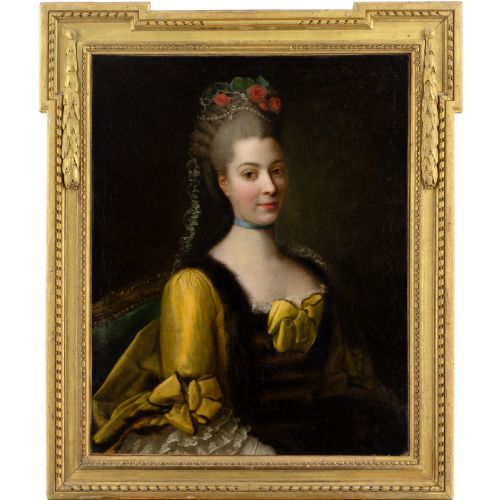
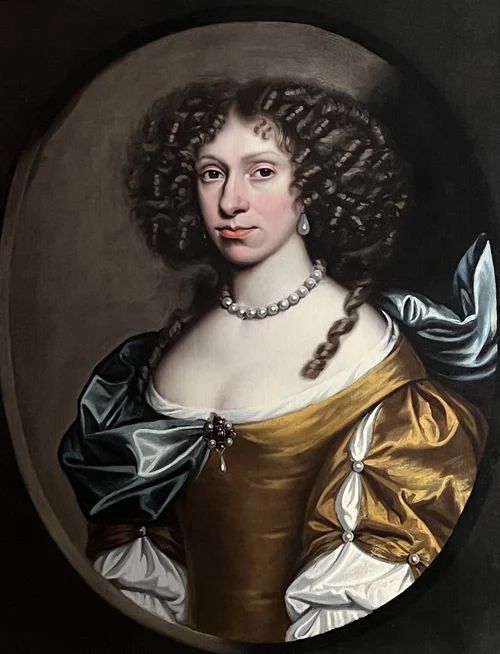
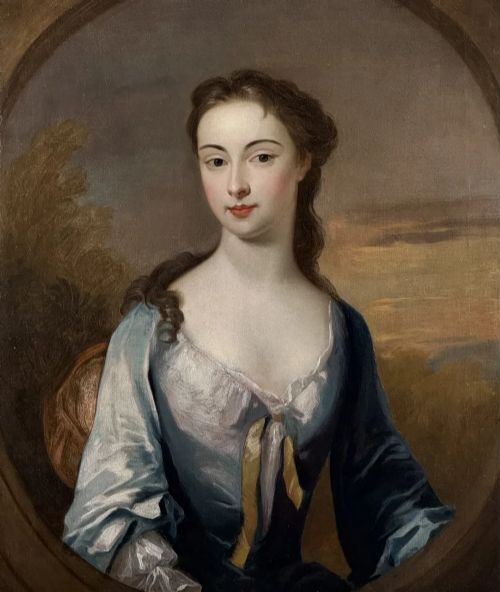
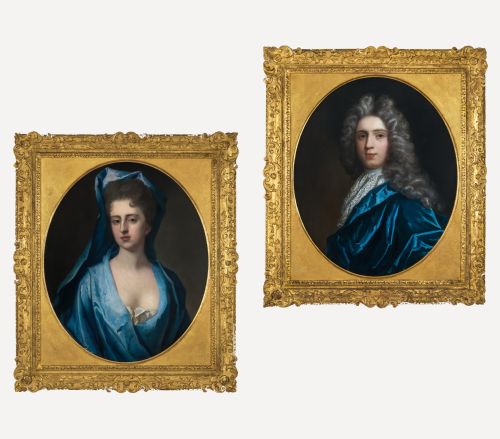
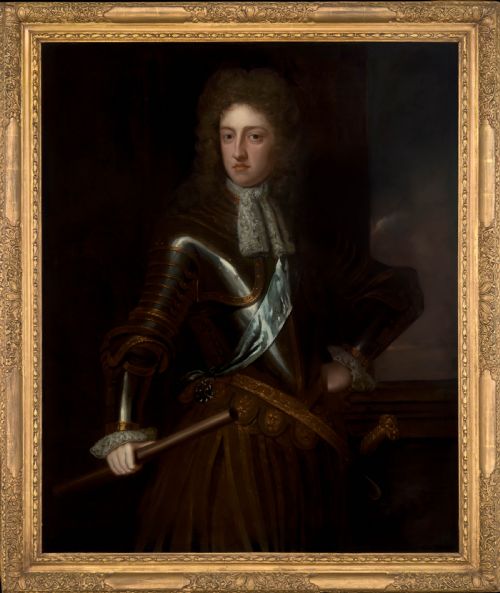
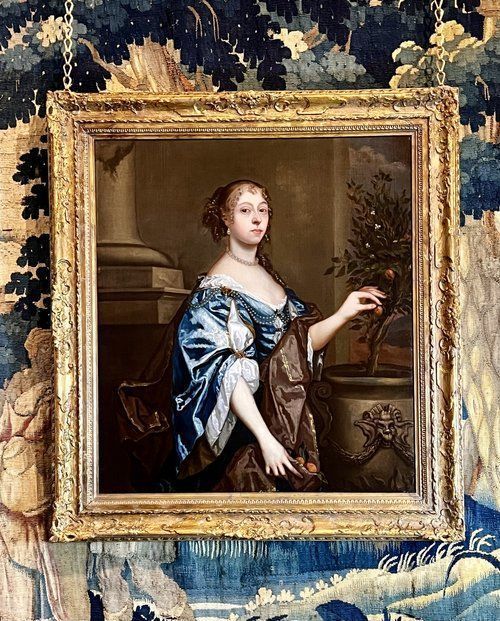
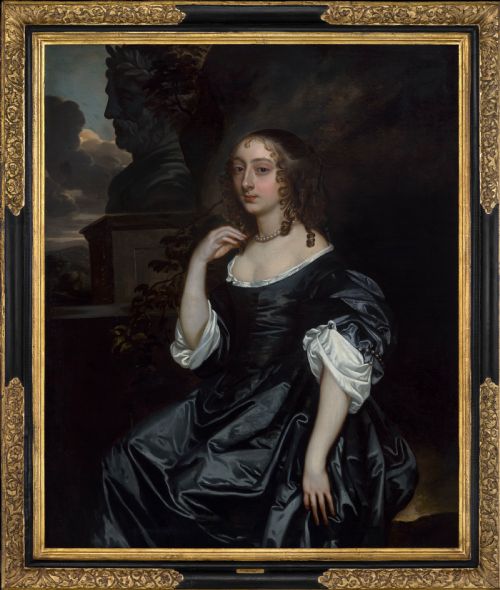
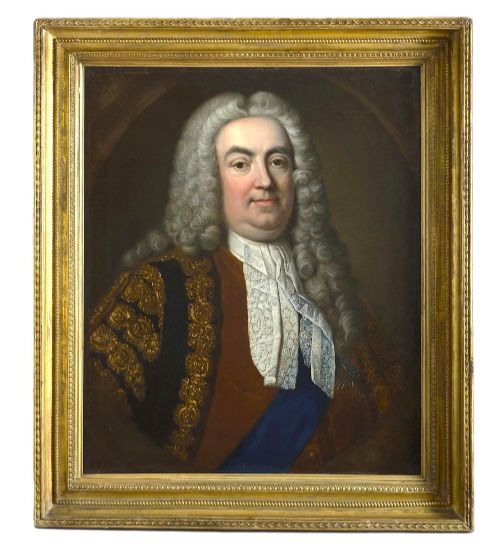
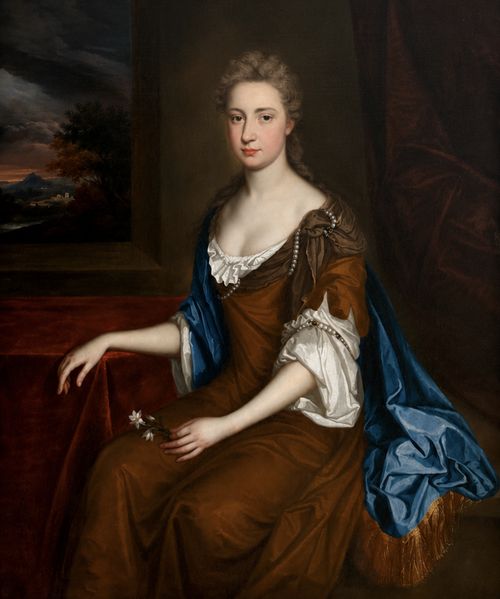
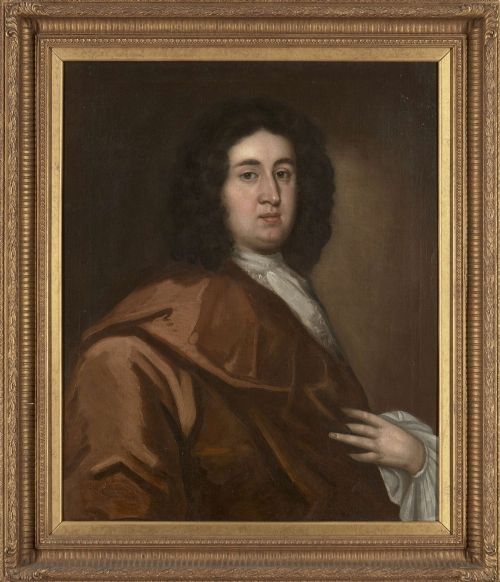
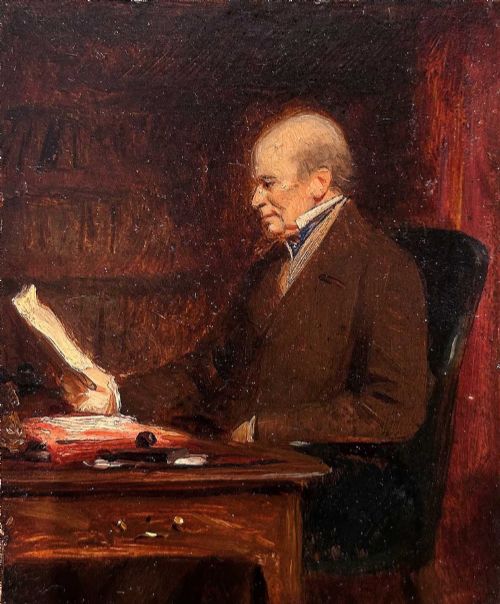
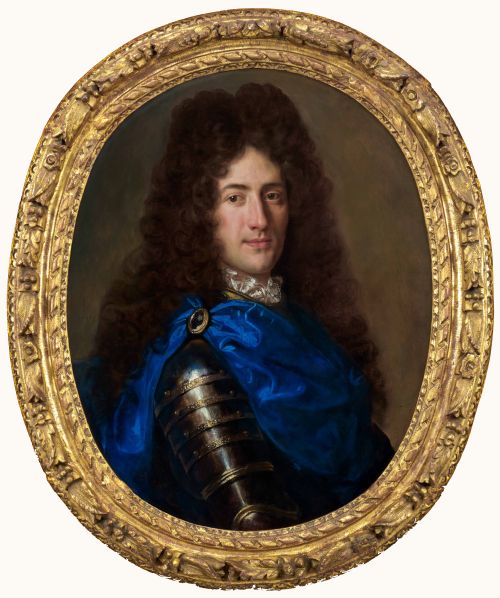
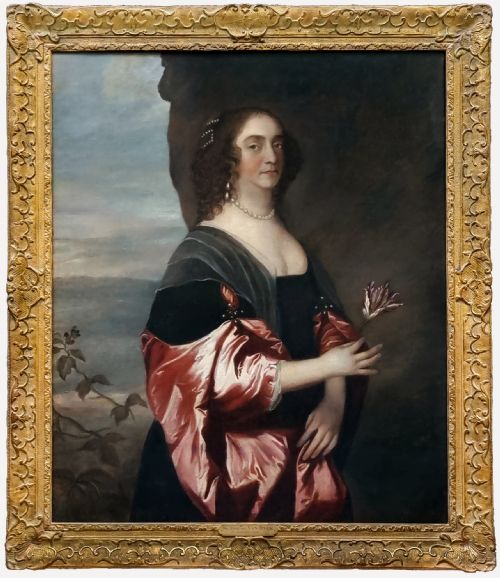
Aristocratic portrait canvas art depicts nobles, statesmen, and gentlefolk, primarily originating from the seventeenth and eighteenth centuries, with occasional nineteenth-century interpretations and later studies.
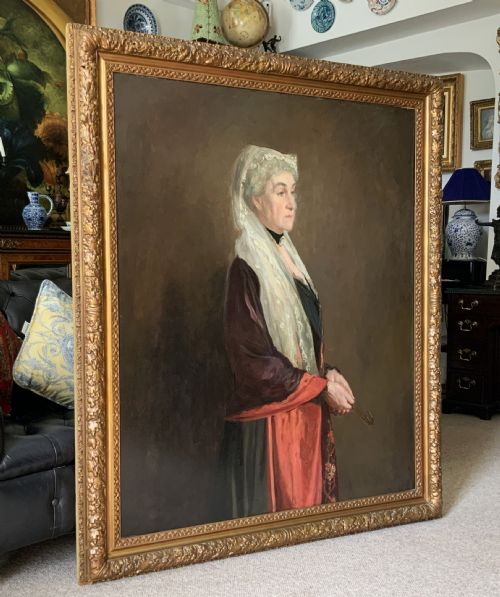
The compositions take the form of oil paintings on canvas, frequently housed in frames of giltwood or gold leaf, showing figures in formal attire, armour, or academic robes.
Subjects range from named historical figures and members of titled families to anonymous sitters associated with British, French, German, and Dutch schools of painting.
How They Were Made
These works were produced using oil paint applied to stretched canvas surfaces, a technique that allowed artists to build rich layers of colour and fine detail in drapery and flesh tones.
Many pieces were created within established artists' studios, following the conventions of Baroque, Georgian, and Regency portraiture under the direction of leading masters or their circles.
Keep an eye out for hidden props like oranges and spinning tops tucked into the laps of aristocratic sitters.
What Varies in Quality
The execution of the sitter's hands, facial expression, and textile textures marks the distinction between a studio production and the hand of a principal master.
The preservation of the original canvas and pigment stability influence the visual strength of the piece, alongside the authenticity of the accompanying period frame.
David Scougall·John Hayls·Charles Jervas·Michael Dahl·Thomas Murray·Sir Godfrey Kneller·Pieter Borsseler·Sir Peter Lely·Jean Baptiste Van Loo·John Closterman·Stephen Pearce·Trajan Hughes·Sir Philip Mainwaring·Joseph Vivienne·Allan Ramsay·James Maubert·Nicolas De Largilliere·Sir Anthony van Dyck·Franz Xaver Winterhalter·Robert Edward Morrison·Enoch Seeman·Sir Francis Seymour·Philip Mercier·Pieter Nason·Mary Beale
The Aristocratic Portrait Canvas Art Glossary
- Canvas
- A heavy woven fabric used as the support surface for oil paintings. It is typically stretched over a wooden frame before painting begins.
- Giltwood
- Wood that has been decorated with a thin layer of gold leaf or powder. This finish is common on grand frames accompanying historical portraits.
- Baroque
- An artistic style from the seventeenth and early eighteenth centuries characterised by dynamic movement and deep colour. Portraits in this style often feature theatrical drapery and dramatic lighting.
- Circle of
- A term used to describe an artist working closely alongside a master, influenced by their style and methods. These works reflect the direct workshop environment of a well-known painter.
- Oil paint
- A slow-drying paint made by mixing pigments with a drying oil such as linseed. It allows for subtle blending and rich saturation.
Aristocratic Portrait Canvas Art: Frequently Asked Questions
What is aristocratic portrait canvas art?
These works are historical paintings depicting wealthy or titled individuals, typically executed in oil on canvas during the seventeenth and eighteenth centuries.
They serve as records of lineage, fashion, and social standing from past eras.
How were these portraits used?
Landowners and nobility displayed these large canvases in country houses and town residences to project status, lineage, and political influence.
They functioned as visual testaments to a family's power and historical importance within society.
How do I live with an oil portrait?
These paintings require placement away from direct sunlight and excessive humidity to protect the canvas and oil pigments from degradation.
Matching the scale of the canvas to your wall space ensures the piece commands the room appropriately.
How can I tell periods apart?
Seventeenth-century works often display heavy Baroque drapery and rigid postures, while eighteenth-century examples lean towards softer Georgian elegance and naturalism.
Clothing styles, lace collars, wigs, and armour provide clear chronological clues to the sitter's era.