



Architectural Wooden Fragment
These architectural wooden fragment pieces offer tangible remnants of historic interiors and exteriors, bringing centuries of sculptural detail into contemporary spaces.
Architectural Wooden Fragment
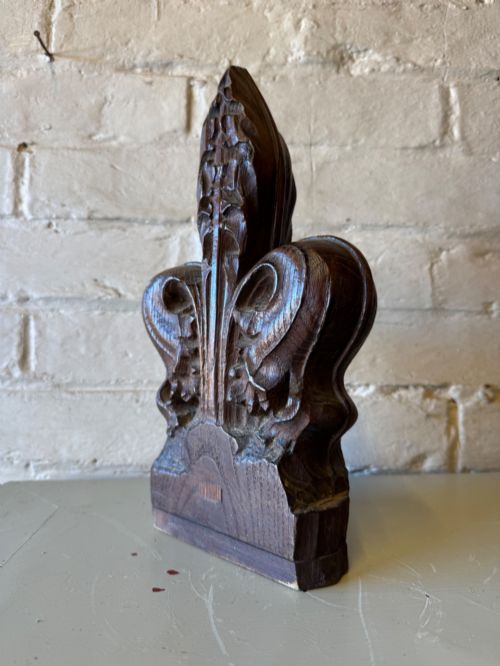
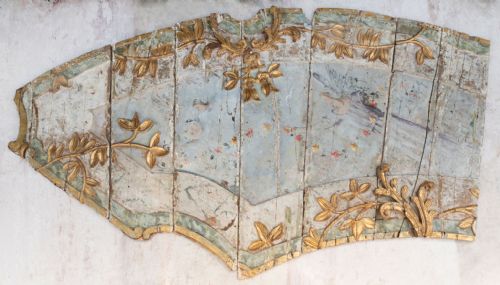
An architectural wooden fragment represents a salvaged portion of a historic building, structure, or fitting, repurposed today as a decorative wall hanging or sculpture. When exploring the architectural wooden fragment selection, buyers frequently encounter items originating from the sixteenth through to the nineteenth centuries.
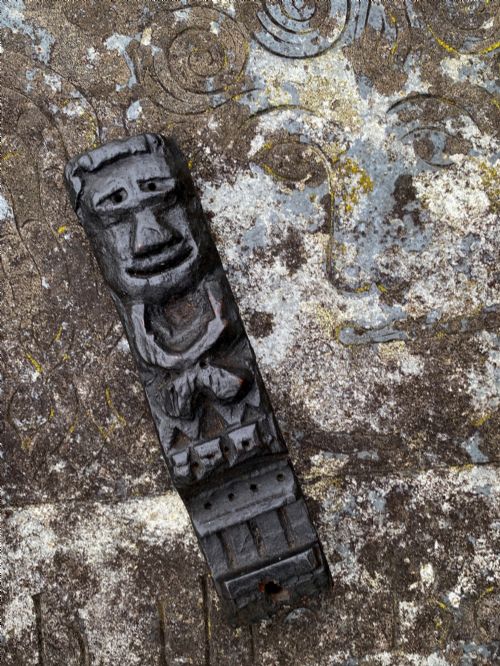
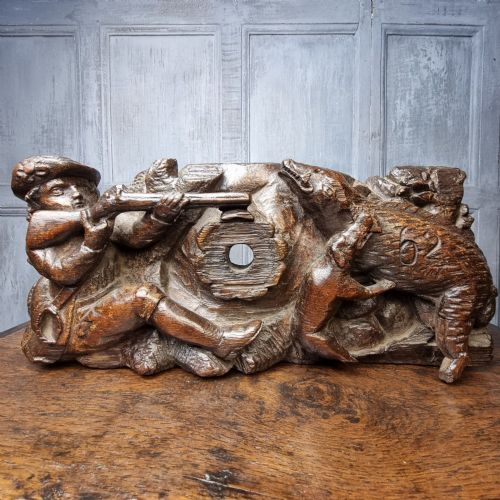
The inventory encompasses diverse forms such as carved oak panels, ceiling bosses, over doors, and figural reliefs. Continental European examples from Flemish, German, and Italian workshops appear alongside British items and pieces from Indian and Burmese traditions.
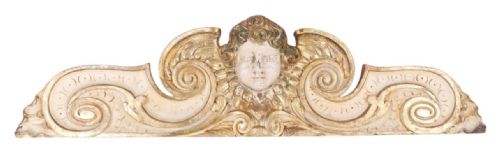
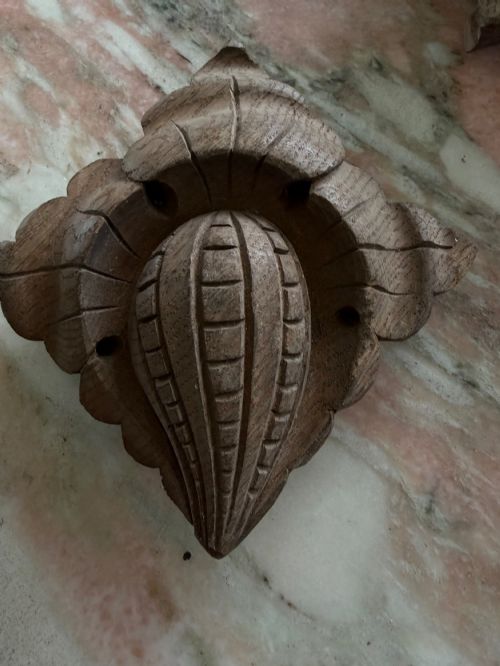
Objects range from small individual carvings of cherubs and helmets to larger structural elements including roof decorations and fairground fragments. Oak and walnut serve as the predominant wood types shaping these survivals.
How they were made
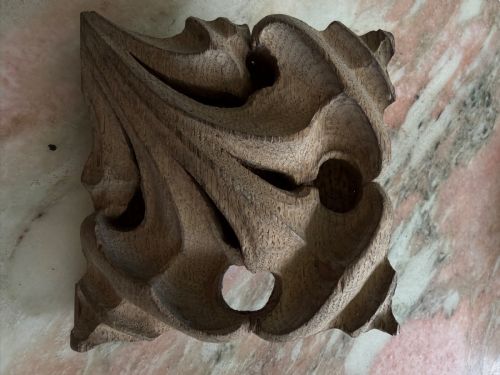
Carvers shaped these components by hand from dense hardwoods like oak and walnut, utilising gouges and chisels to achieve high relief and pierced detailing. The physical effort of manual timber reduction defined the crispness of foliage, figures, and heraldic motifs.
Many surfaces received supplementary decorative layers including gesso, paint, polychrome pigments, and gold leaf gilding. Iron fixings occasionally remained attached from their original structural context in buildings or temples.
Architectural Wooden Fragment Retail Price Guide 2026
Typical asking prices for architectural wooden fragment among the pieces listed under this phrase on Sellingantiques today, from the lower quarter to the upper quarter. They describe what is for sale here now, not the wider market.
Materials across the inventory span oak, walnut, stained hardwood, iron, gesso, paint, polychrome, and gold leaf.
What varies in quality
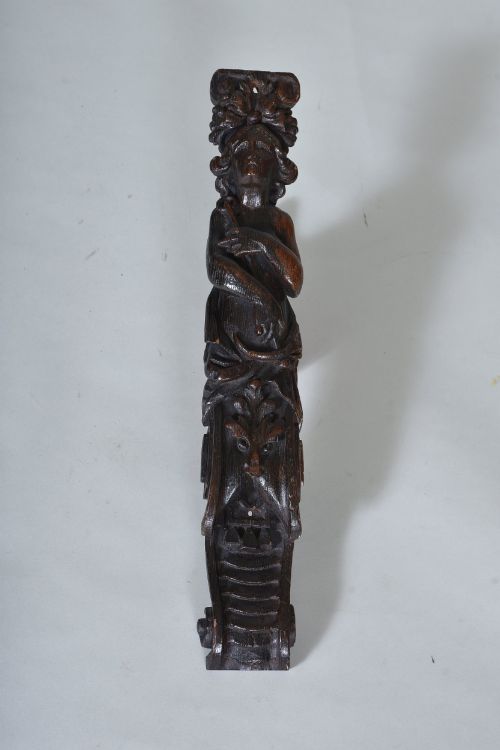
Depth of relief and anatomical confidence in figural carvings separate exceptional items from more rudimentary work. Sculptural vigor in elements like cherub faces, lion heads, and caryatids dictates the aesthetic standing of the piece.
The preservation of original surface finishes, such as historic polychrome or gold leaf, heavily influences the integrity of a fragment. Surviving tool marks and the natural patina acquired through centuries of ageing complete the assessment.
The Architectural Wooden Fragment Glossary
- Caryatid
- A carved architectural figure acting as a support pillar in place of a column. These female figures often display detailed drapery and posture.
- Ceiling Boss
- A decorative projecting block placed at the intersection of ribs in a vaulted ceiling. They frequently feature carved leaves or religious motifs.
- Gesso
- A plaster mix applied to wood surfaces as a preparation for painting or gilding. It provides a smooth ground for fine detail work.
- Polychrome
- The practice of decorating architectural elements and sculptures in multiple colours. This finish added vibrant life to wooden carvings.
- Over door
- A decorative panel or carved relief positioned immediately above a doorway. These often served as focal points in grand historic rooms.
Architectural Wooden Fragment: Frequently Asked Questions
How should I hang a heavy wooden fragment?
Secure mounting requires locating proper wall studs or using heavy-duty wall anchors rated for the weight of dense hardwoods like oak and walnut.
Professional framing or custom metal brackets ensure the piece remains stable without damaging the historic timber.
How do I clean an antique carved panel?
Dust the surface gently with a dry, soft-bristled brush to remove particles from deep crevices without disturbing the wood.
Avoid using water, liquid cleaners, or modern polishes that can degrade historic paint, gesso, or unsealed surfaces.
Can these fragments go outdoors?
These historic wooden items are intended for indoor environments where temperature and humidity remain relatively stable.
Exposing antique carved wood and gilding to outdoor weather will quickly cause rotting, warping, and the loss of surface finishes.
How do I identify the period of a carving?
Examine the tool marks left by hand chisels, the style of the carving such as Baroque or Gothic Revival, and the choice of timber.
Comparing the typology of motifs like cherubs, Tudor roses, or acanthus leaves against dated examples helps narrow the origin.