


Architectural Timber Caryatids
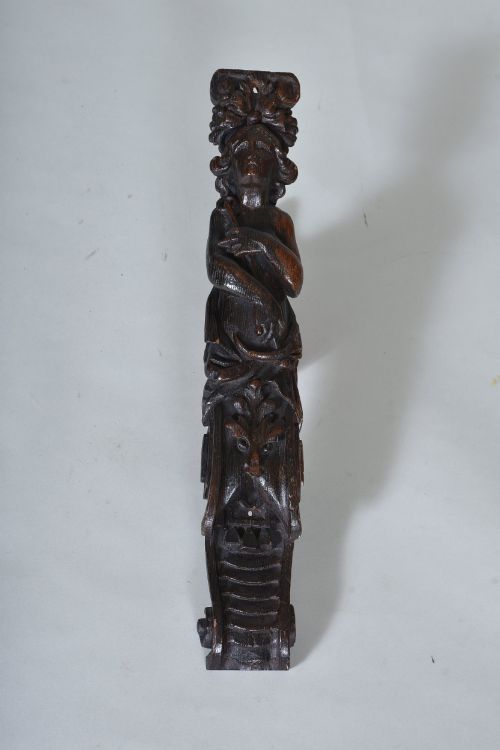
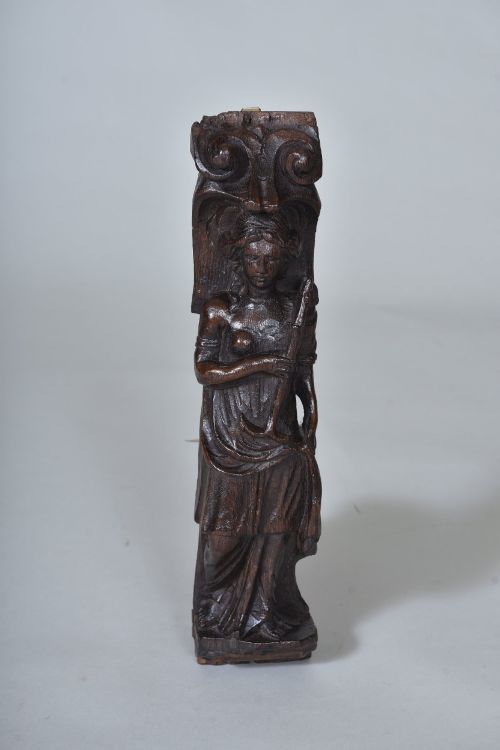
Architectural timber caryatids are sculptural support figures carved from oak, walnut, and chestnut that bring historical presence and classical structure to an interior.
Architectural Timber Caryatids
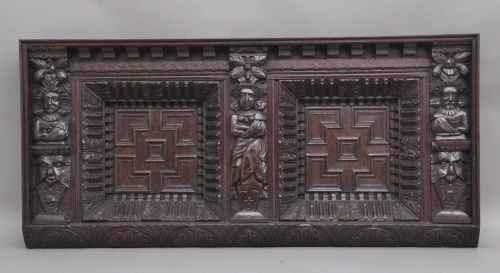
Architectural timber caryatids represent carved human figures integrated into woodwork as structural or decorative supports, appearing in forms such as single caryatids, corbels, overmantles, and wall reliefs. When searching for architectural timber caryatids, a buyer encounters pieces originating primarily from the sixteenth and seventeenth centuries, alongside later nineteenth-century interpretations.
The versions most frequently met on this page date from the seventeenth century and showcase heavy oak construction with distinct Jacobean and Flemish Renaissance influences. These wooden sculptures originate from architectural salvage contexts, shifting from functional building supports into standalone decorative wall carvings.
How they were made
These pieces rely on dense hardwoods like oak, walnut, and chestnut, carved by hand with chisels and gouges to achieve high-relief three-dimensional forms. The wood was selected for durability and grain structure, allowing carvers to render intricate drapery, facial expressions, and architectural elements directly into solid timber.
Surface finishes developed naturally over centuries through waxing, handling, and oxidation, leaving the raw timber exposed without modern synthetic varnishes. Tool marks left by the carver remain visible across the walnut and oak surfaces, showing the direct method of historical woodworking.
At least one seventeenth-century figure stands ready with folded arms, maintaining a strict posture through centuries of architectural shifts.
What varies in quality
The integrity of the timber and the preservation of original hand-carved detail determine the overall impact of the piece. Crisp edges on the oak and walnut surfaces indicate a skilled hand, while worn or softened contours reflect the passage of time and utility.
Hugues Sambin
The Architectural Timber Caryatids Glossary
- Caryatid
- A sculpted female figure serving as an architectural support in place of a column or pilaster. These figures often appear on mantelpieces and panelled walls.
- Herm
- A sculpted bust or figure that tapers toward the base, originating from ancient boundary markers. They frequently decorate Renaissance architectural woodwork.
- Term
- A pedestal or figure that tapers downward, commonly used to support cornices or lintels in sixteenth and seventeenth-century interiors. They combine human representation with strict architectural geometry.
- Corbel
- A structural piece of stone or timber projecting from a wall to support a weight inside. Wooden examples often feature carved human or grotesque faces.
- Jacobean
- The style of English architecture and decorative arts prevalent during the early seventeenth century. It combines Renaissance motifs with robust native craftsmanship.
Architectural Timber Caryatids: Frequently Asked Questions
What are architectural timber caryatids?
Architectural timber caryatids are carved wooden support figures depicting human forms integrated into historical buildings and furniture. They served as structural supports or decorative embellishments on overmantles, walls, and cabinetry.
Today, these pieces function primarily as wall art and architectural salvage display items. They bring tangible historical weight and sculptural depth to modern domestic interiors.
How were these wooden figures used?
Historically, these figures functioned as load-bearing architectural elements, such as pilasters or brackets supporting mantels and lintels. They anchored grand interior woodwork in Renaissance and Jacobean buildings.
In contemporary settings, they are mounted directly onto walls as standalone panels or reliefs. Their primary role shifted from structural support to decorative display.
How do I tell seventeenth-century pieces apart?
Seventeenth-century pieces display distinct tool marks, deep patination, and heavy oak or walnut construction consistent with period joinery. Stylistic indicators include Flemish Renaissance proportions and Jacobean geometric framing.
Later nineteenth-century interpretations often show different wood preparation techniques and softer wear patterns. Comparing the crispness of the carving and the oxidation of the timber helps distinguish the periods.