



Neoclassical Architectural Salvage
Neoclassical architectural salvage brings classical orders and antique proportions into modern rooms through rescued stone, carved wood, and gilded plaster.
Neoclassical Architectural Salvage
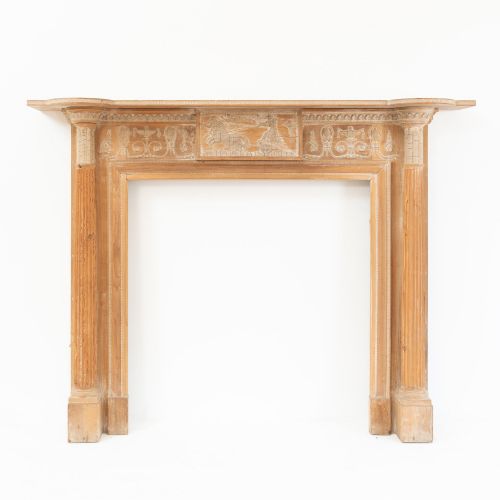
Neoclassical architectural salvage comprises rescued decorative and structural elements drawn from domestic and public interiors of the eighteenth and nineteenth centuries. When you search for neoclassical architectural salvage, you encounter architectural columns, fireplace surrounds, overmantels, and wall brackets shaped by classical antiquity.
The pieces on this page span the Georgian, Victorian, and Edwardian periods, reaching back to the eighteenth century. You are most likely to meet fireplace surrounds and architectural columns fashioned from pine, painted wood, or cast stone.
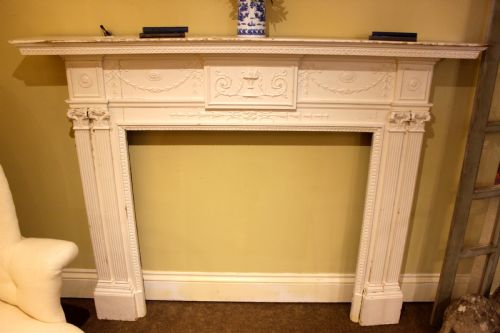
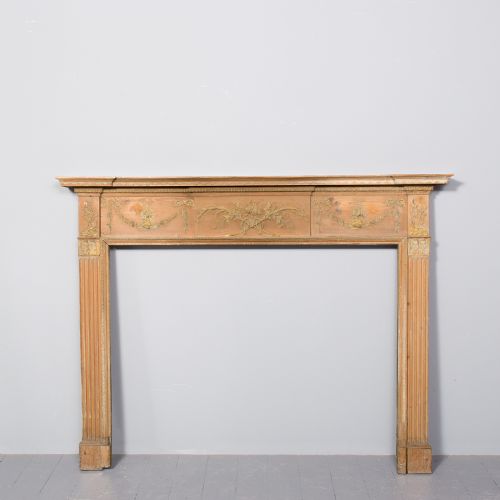
Forms range from grand scale painted columns and carved gesso mantelpieces to decorative pediments and bronze fireplace friezes. Each item retains the symmetrical lines and classical motifs characteristic of the style.
Materials and construction
Makers shaped these architectural elements from pine, chestnut, and mahogany, often applying layers of paint, gesso, or parcel gilt to enrich the surface. Carved wooden fireplace surrounds and timber pediments demonstrate traditional joinery and hand-chiselled detailing.
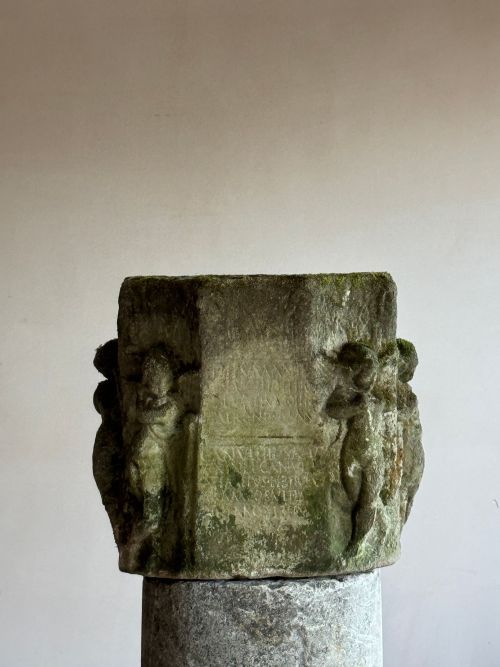
Stonework utilises cast stone, reconstituted stone, and Carrara marble, while metal components include bronze and ormolu. Plaster and composition mouldings provide the relief work seen on friezes, corbels, and overmantels.
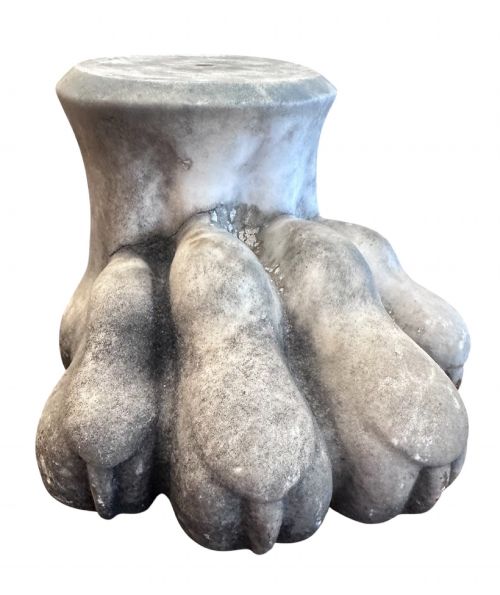
A solitary marble lion's paw once supported a nineteenth-century mantel, faithfully bearing the weight of history.
Judging quality
Quality rests upon the crispness of the carving and the depth of the modelled relief, whether executed in timber, stone, or gesso. Pieces displaying refined proportions and confident hand-carving stand apart from simpler or more mechanically produced examples.
The integrity of the original surface finish, from early white paint to parcel gilding, determines the character of the piece. Integrated detailing, such as carved motifs and well-preserved bronze or ormolu mounts, elevates the standing of an item.
The Neoclassical Architectural Salvage Glossary
- Architectural salvage
- Building elements and decorative fixtures rescued from older structures for reuse in new settings. These pieces carry historical patination and period craftsmanship.
- Overmantel
- A decorative panel, mirror frame, or architectural feature positioned above a fireplace mantel. They often feature painted finishes and classical relief carvings.
- Gesso
- A plaster-like material applied to wood surfaces as a base for carving and gilding. It allows for sharp, intricate relief work in neoclassical decoration.
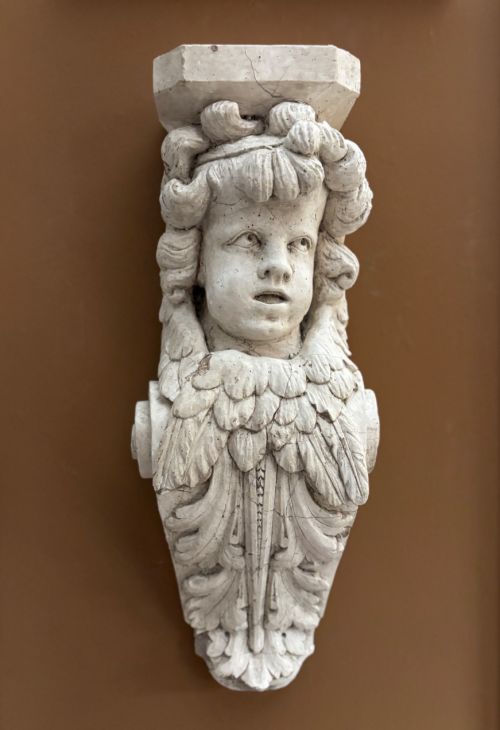
- Herm
- A carved bust or head atop a tapering pillar, originating from ancient boundary markers. These architectural supports appear in early nineteenth-century chestnut.
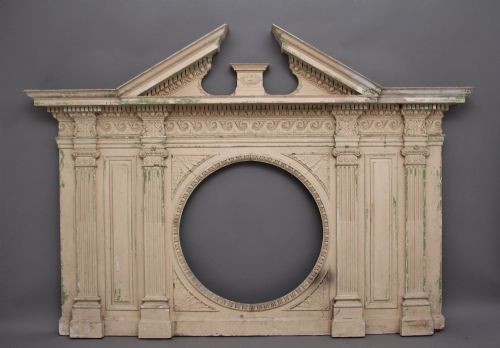
- Pediment
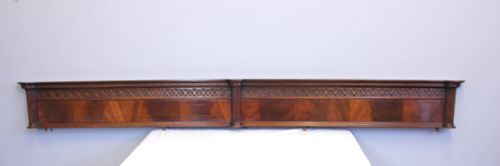
- A triangular or decorative gable crowning a doorway, window, or piece of furniture. Antique mahogany examples add classical structure to interiors.
Neoclassical Architectural Salvage: Frequently Asked Questions
What is neoclassical architectural salvage?
Neoclassical architectural salvage consists of rescued building elements, fireplace surrounds, and decorative ornaments from the eighteenth and nineteenth centuries.
These pieces draw on Greek and Roman design principles, utilising materials such as carved pine, marble, cast stone, and bronze.
How do I date an architectural salvage piece?
Dating relies on identifying the prevailing styles, timber species, and construction techniques associated with periods like the Georgian or Victorian eras.
Examining surface treatments, such as early paint layers and hand-carved gesso, also helps narrow down the period.
Where were architectural columns used?
Architectural columns served both structural and decorative purposes within grand interiors, framing doorways, mantelpieces, or wall recesses.
Paired columns in painted pine or stone brought classical symmetry and scale to domestic rooms.
Can I install an antique fireplace surround?
Antique fireplace surrounds in pine, stone, or marble can be fitted into compatible chimney breasts with appropriate professional clearance.
Measurements of the opening, hearth, and surrounding wall space dictate compatibility with modern flues.
What maintenance do painted wooden architectural pieces need?
Painted wooden items require gentle dusting with a dry cloth and protection from excessive moisture and direct heat sources.
Preserving original paint layers means avoiding harsh chemical cleaners and modern stripping methods.