



Architectural Souvenir
An architectural souvenir brings the monumental buildings of antiquity into the nineteenth-century parlour through miniature bronze temples, marble columns and delicate watercolours.
Architectural Souvenir
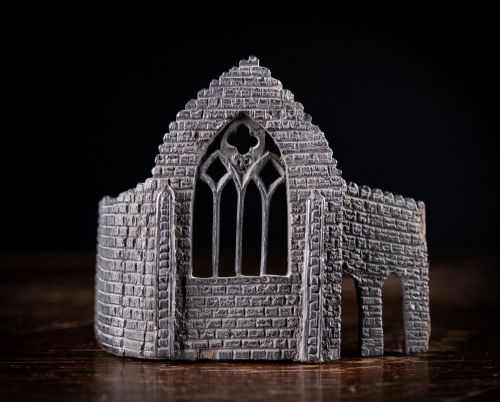
An architectural souvenir represents the tangible memories collected by travellers undertaking the Grand Tour across Europe and Italy during the eighteenth and nineteenth centuries. These objects capture famous classical ruins, temples, columns and triumphal arches in portable formats designed for domestic display.
The pieces appearing on this page span from the eighteenth century to the turn of the twentieth century, encompassing both sculptural models and framed works on paper. Buyers frequently encounter representations of specific Roman and Italian landmarks rendered in stone or metal.
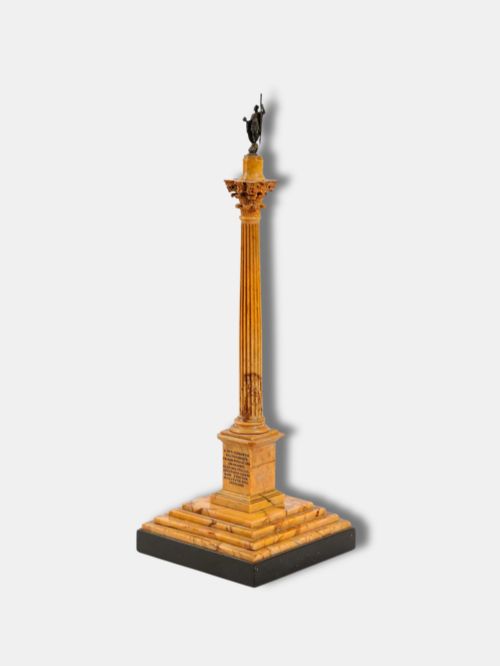
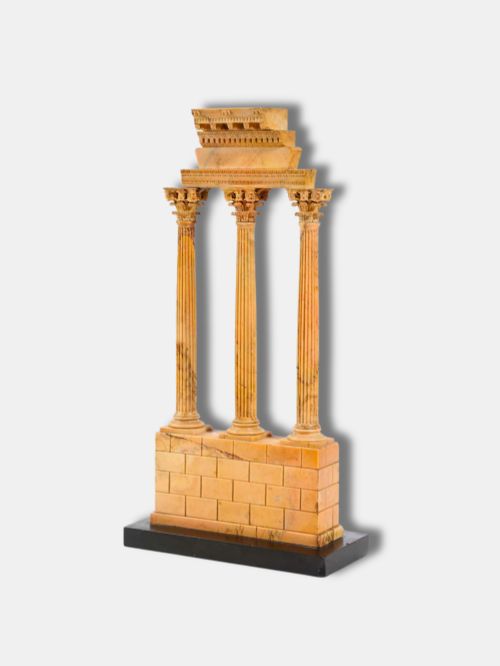
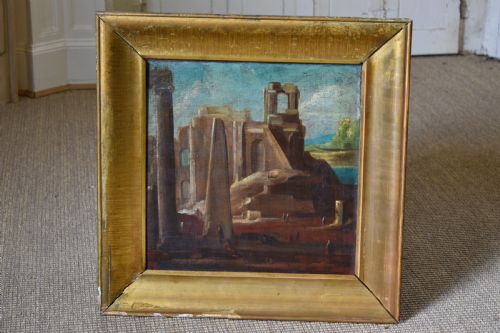
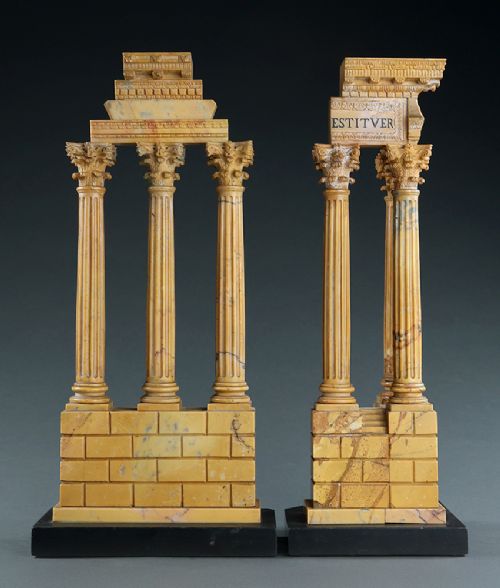
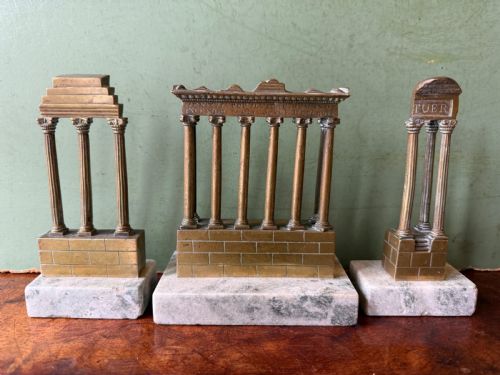
Sculptural forms include miniature temples, obelisks, pedestals and columns, alongside framed watercolours and engravings depicting classical sites like Pompeii and Rome. Each piece serves as both a record of travel and an expression of neoclassical taste.
Materials and construction
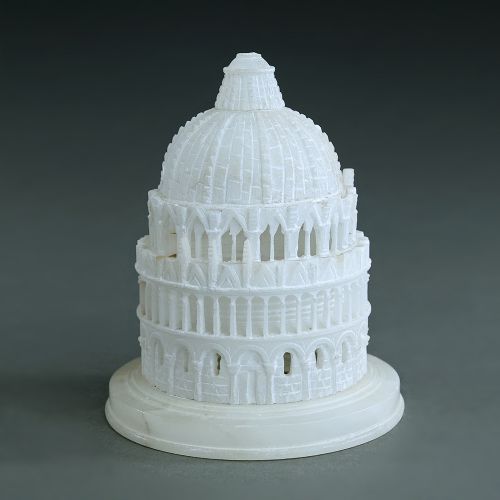
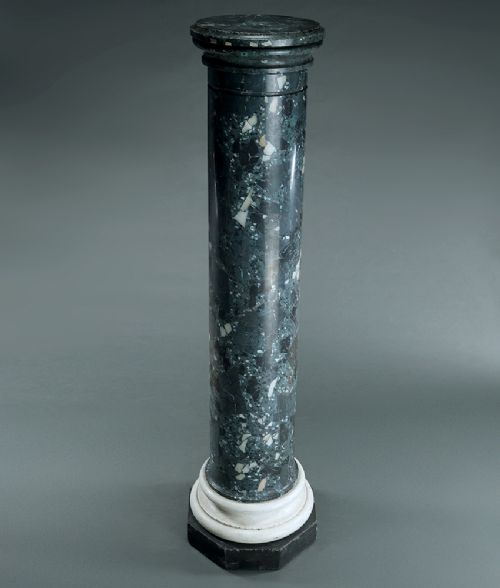
The makers of these souvenirs utilised fine stones such as alabaster, Siena marble, Verde Antico and scagliola to emulate the ancient ruins visited by travellers. Bronze casting captured the intricate architectural details of columns and triumphal arches with precision.
Works on paper relied on watercolour, oil and coloured engravings to record specific views of Roman forums and Italian villas. Gilt wood and glass frequently completed the framing for these delicate graphic records of the tour.
Architectural Souvenir Retail Price Guide 2026
Typical asking prices for architectural souvenir among the pieces listed under this phrase on Sellingantiques today, from the lower quarter to the upper quarter. They describe what is for sale here now, not the wider market.
The object types on this page include architectural models, oil paintings, watercolours, pedestals, columns and framed engravings.
Distinguishing quality
The excellence of an architectural souvenir rests upon the fidelity of its proportions and the crispness of its surface detail, whether carved from stone or cast in metal. Superior examples exhibit precise rendering of classical capitals, fluted columns and architectural reliefs.
Choice of material also dictates standing, with multi-coloured specimen marbles and polished bronzes generally demonstrating greater ambition than simpler plaster or paper alternatives. The skill involved in turning hard stone or casting miniature friezes defines the upper tier of these pieces.
The Architectural Souvenir Glossary
- Grand Tour
- The traditional journey of European travel undertaken by upper-class young men to study classical art and antiquities. It formed the primary context for the creation of these souvenirs.
- Scagliola
- A composite material made from selenite, glue and pigments, mixed to imitate marbles and other fine stones. Craftsmen utilised it for smooth, colourful architectural columns and panels.
- Verde Antico
- A dark green serpentine breccia prized in classical architecture and later revived for decorative objects. It appears frequently in nineteenth-century marble columns and obelisks.
- Neoclassical
- The dominant artistic style drawing inspiration from the classical art and culture of ancient Greece and Rome. This aesthetic governs the form of almost all Grand Tour architectural models.
Architectural Souvenir: Frequently Asked Questions
What is an architectural souvenir?
An architectural souvenir is a small-scale model, painting or engraving purchased by nineteenth-century travellers visiting classical ruins and monuments.
These pieces allowed collectors to bring the monumental architecture of Rome and Italy back to their home residences.
How were these models used?
Travellers displayed these objects on mantelpieces, desks and tabletops as conversation pieces and evidence of their classical education.
Watercolours and engravings were similarly framed and hung in studies and drawing rooms to commemorate Italian journeys.
Which materials are most common?
Marble, bronze and alabaster dominate the sculptural souvenirs, alongside paper for watercolours and engravings.
Stones like Siena marble and Verde Antico were chosen to replicate the polychrome richness of ancient Roman buildings.
How do I date these pieces?
Dating relies on material analysis, the style of the mounting, and records associated with the Grand Tour period spanning the eighteenth and nineteenth centuries.
Stylistic markers align closely with neoclassical taste and the specific sites popular with travellers of those eras.