


Architectural Salvage Iron
Architectural salvage iron brings weight, utility and structural history directly to a garden or interior through weathered metalwork.
Architectural Salvage Iron
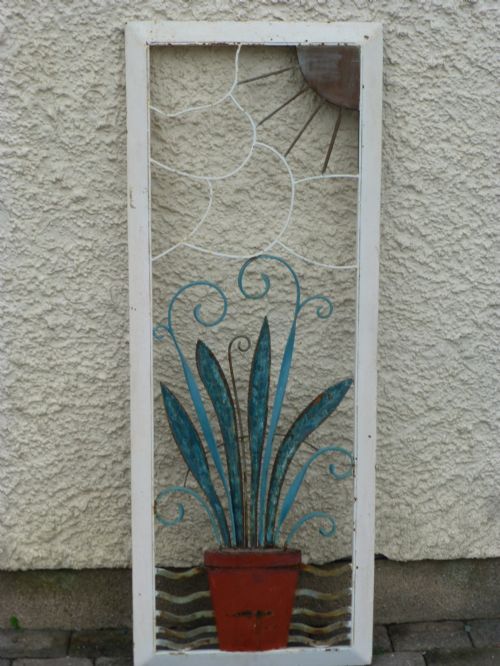
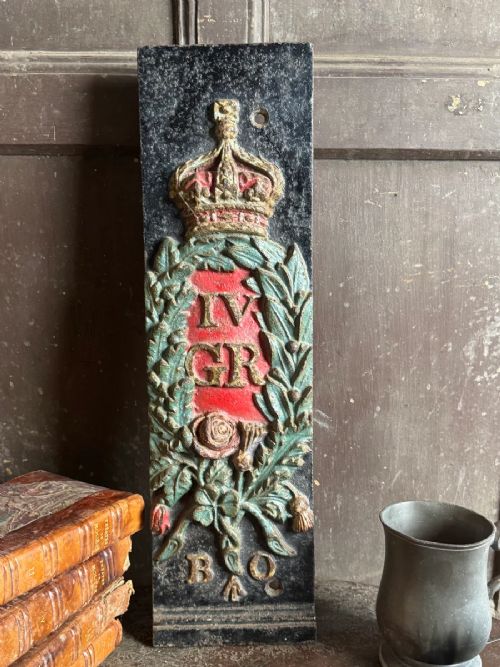
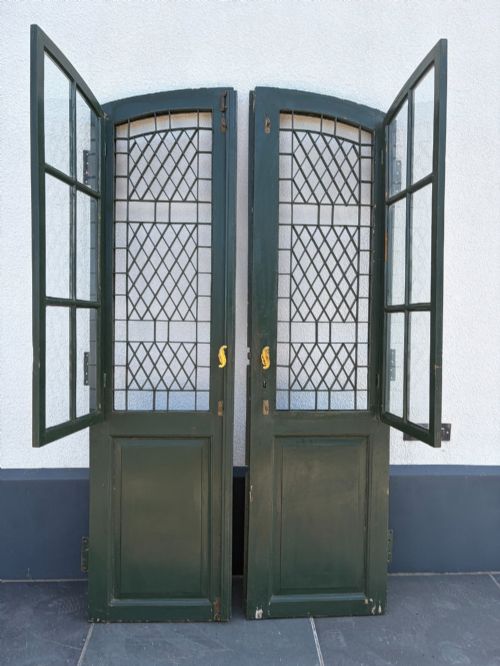
Architectural salvage iron encompasses structural metalwork, heavy gates, firebacks and decorative hardware reclaimed from period buildings.
Buyers seeking architectural salvage iron most frequently encounter 19th century and Victorian examples, alongside Georgian and early 20th century pieces.
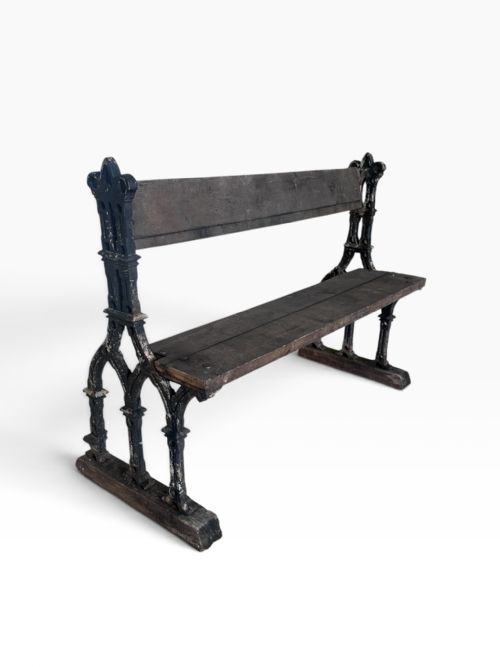
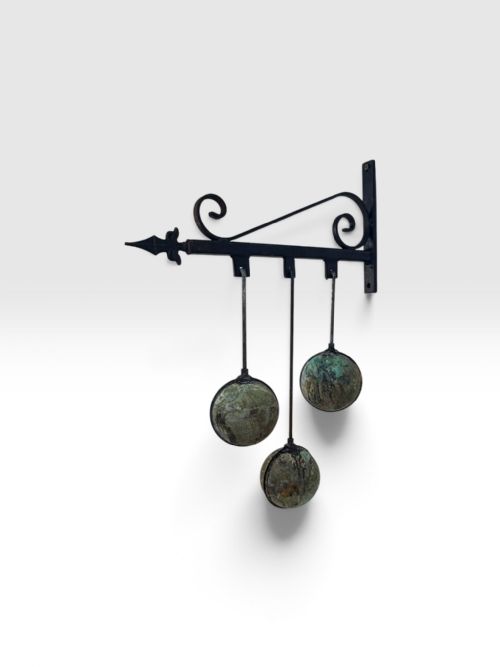
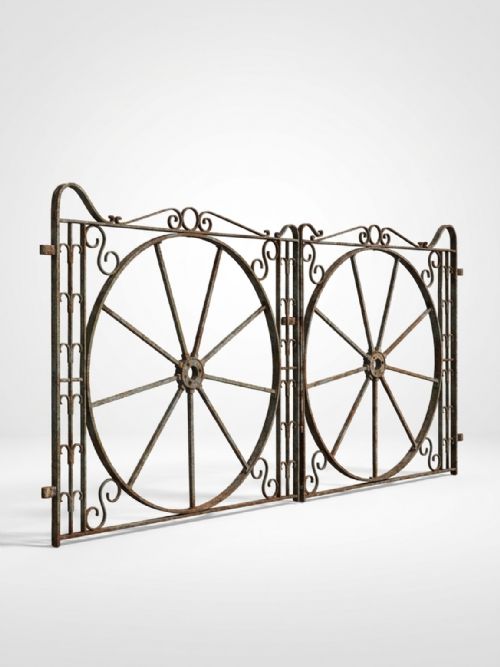
The selection ranges from utilitarian boot scrapers and wall brackets to monumental estate gates and garden benches.
Materials and Technique
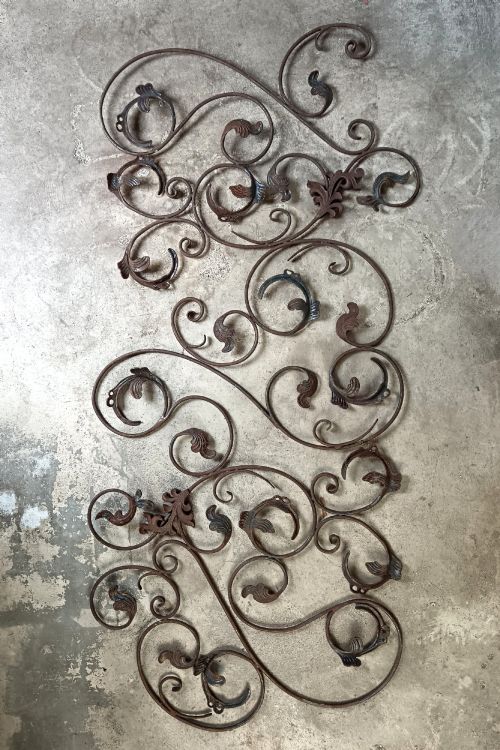
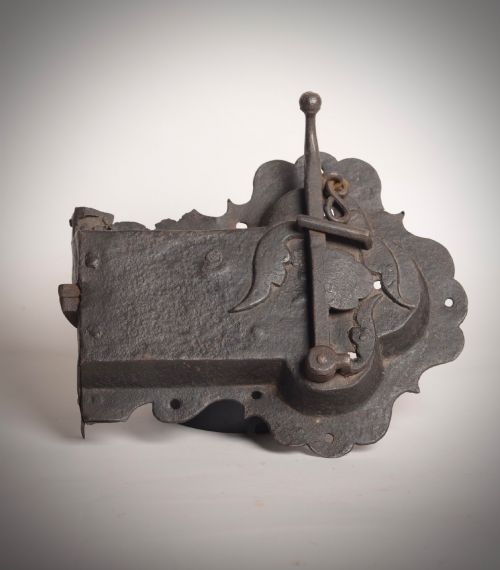
The pieces rely primarily upon cast iron and wrought iron, frequently shaped by blacksmiths or poured into foundry moulds.
Many items retain layers of old paint, natural rust patination or are set into supporting blocks of stone, pine or oak.
Architectural Salvage Iron Retail Price Guide 2026
Typical asking prices for architectural salvage iron among the pieces listed under this phrase on Sellingantiques today, from the lower quarter to the upper quarter. They describe what is for sale here now, not the wider market.
Listings span from the 17th century through the 1940s, featuring wrought iron, cast iron, oak, pine and stone.
The Measure of Quality
Quality rests upon the crispness of the casting, the complexity of the blacksmith's strapwork and the integrity of the original form.
Pieces that retain substantial weight, authentic weathered surfaces and unaltered structural components stand apart from lesser examples.
Raymond Subes·Gerwin And Co Birmingham
The Architectural Salvage Iron Glossary
- Wrought iron
- Iron shaped manually by a blacksmith while hot, identifiable by its fibrous texture and linear grain. This material yields strong, flexible gates and strapwork.
- Cast iron
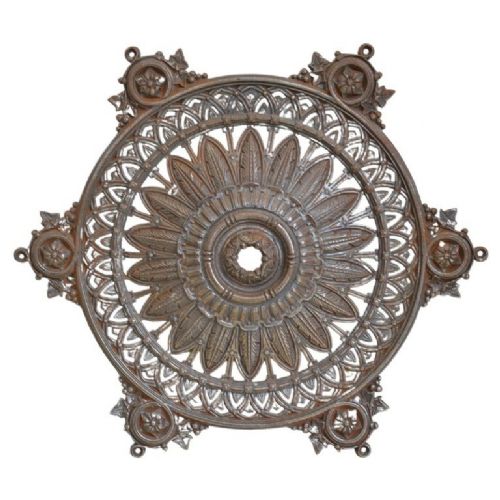
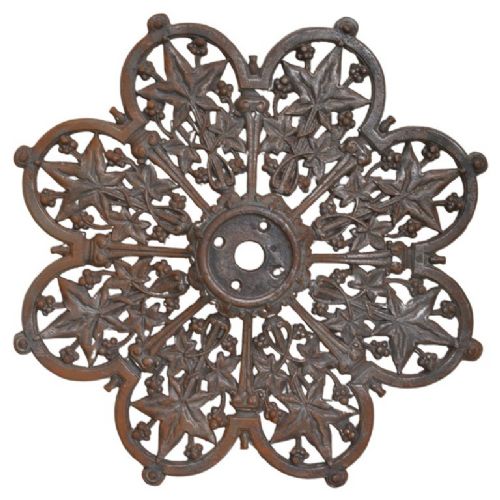
- Iron poured molten into a mould to produce intricate decorative elements like ceiling roses and bench ends. It provides sharp detail but remains brittle under sudden impact.
- Boot scraper
- A metal blade or trough fixed near an entryway to clean mud from footwear. These utilitarian objects often feature stone bases and decorative iron scrolls.
- Fire back
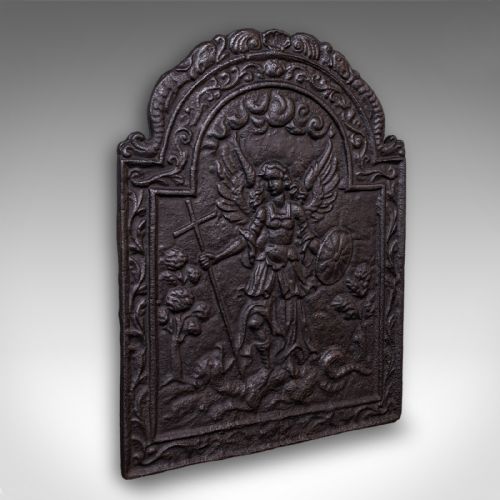
- A heavy iron plate placed at the back of a fireplace to reflect heat and protect the masonry. They frequently display heraldic or pictorial reliefs.
- Strapwork
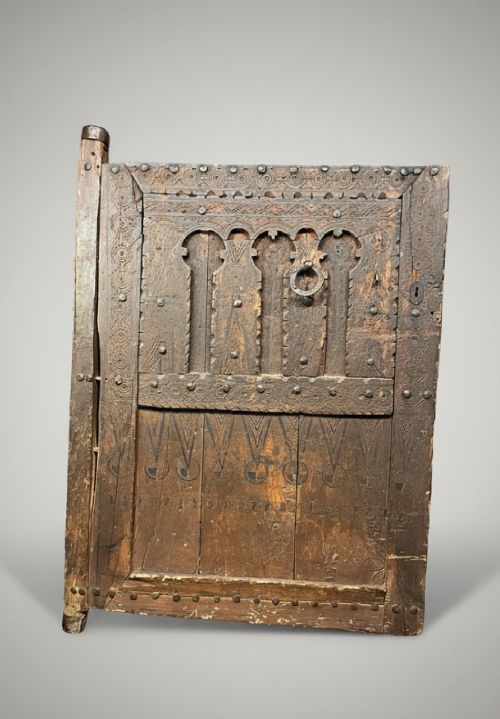
- Flat bands of wrought iron used to reinforce doors, gates and chests. This technique combines structural strength with geometric visual rhythm.
Architectural Salvage Iron: Frequently Asked Questions
How do I secure heavy iron gates?
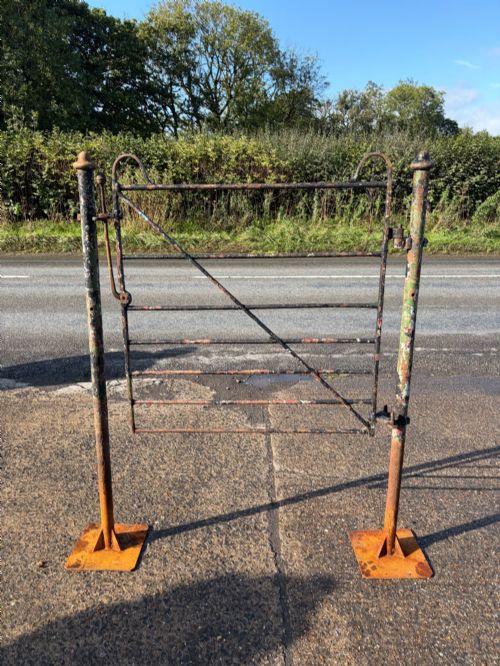
Heavy garden and estate gates require substantial masonry piers or reinforced timber posts to bear their significant weight. Proper alignment ensures the hinges support the load without sagging.
Professional installation involves deep foundations and secure anchor fixings suitable for historic metalwork. Regular checks of the hinge pivots keep the operation smooth.
How do I clean rusted architectural iron?
Light brushing removes loose surface flakes and dirt while preserving the historical patina and old paint layers. Aggressive stripping can damage the underlying metal texture.
Applying a protective wax or specialised oil seals the surface against further moisture damage. This maintenance stabilizes the iron without erasing its age.
Can I use interior iron salvage outside?
Cast and wrought iron designed for interior use often lacks exterior weatherproofing and may degrade quickly in rain. Environmental exposure accelerates corrosion on unprotected surfaces.
Selecting pieces explicitly made for gardens or providing a suitable protective coating extends their longevity outdoors. Shelter helps preserve delicate details on older items.
How do I date a piece of ironwork?
Manufacturing methods reveal the period, as blacksmith-forged wrought iron predates the mass-produced cast iron components of the Victorian era. Stylistic motifs like Gothic revival arches offer further chronological clues.
Examining fixings, paint layers and overall wear helps distinguish 18th-century work from later reproductions. Construction marks often point to specific regional traditions.