

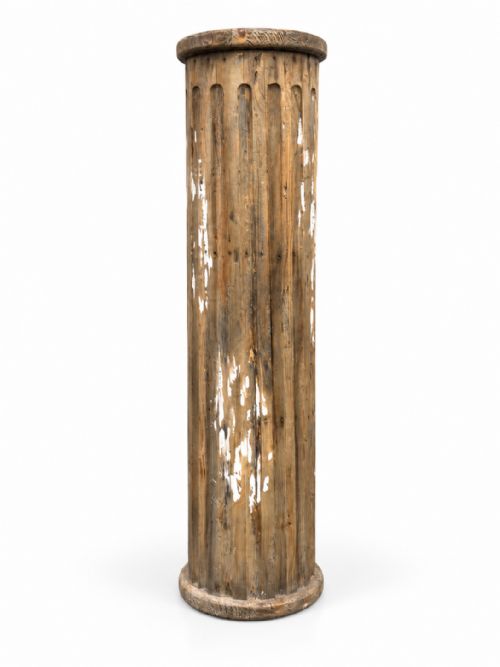
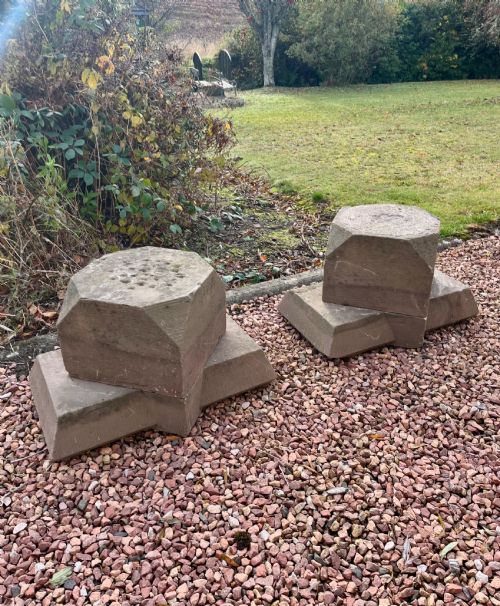
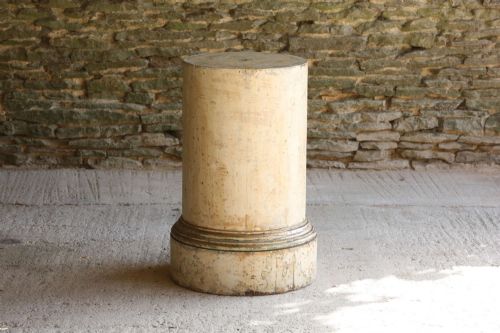
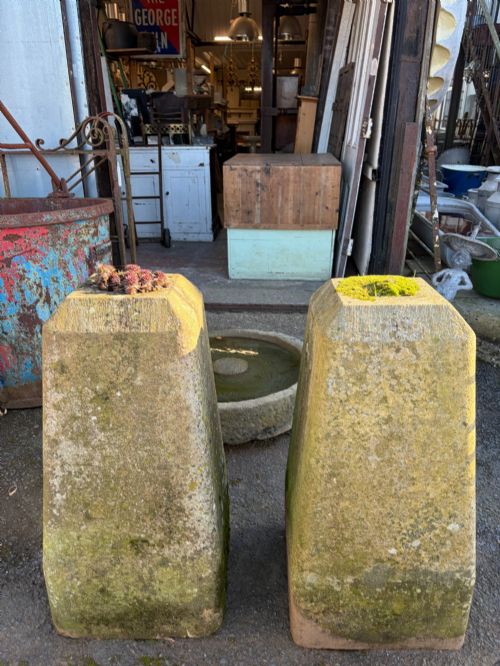
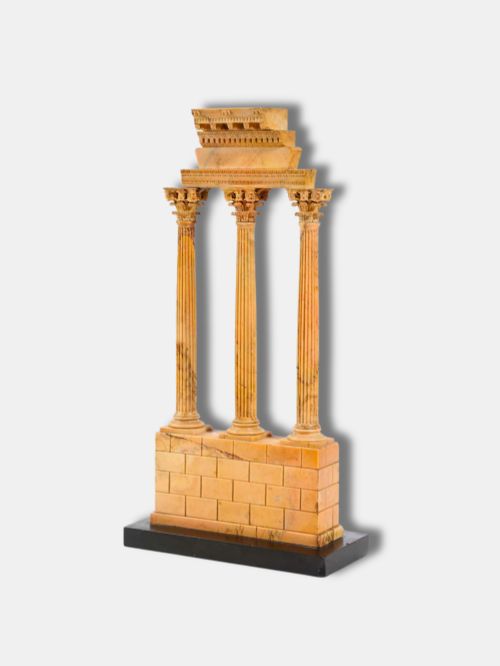
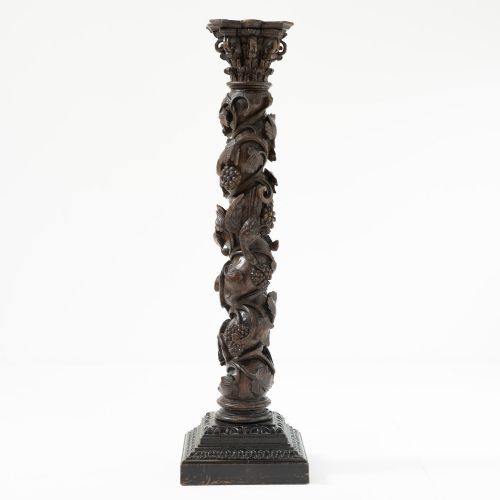
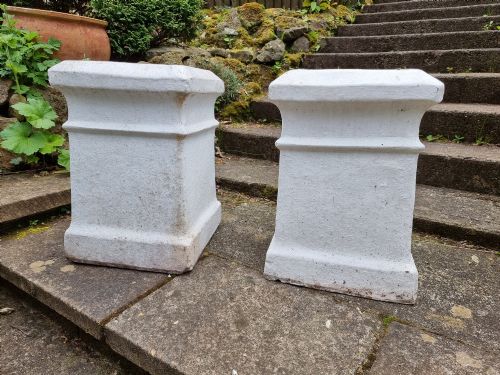
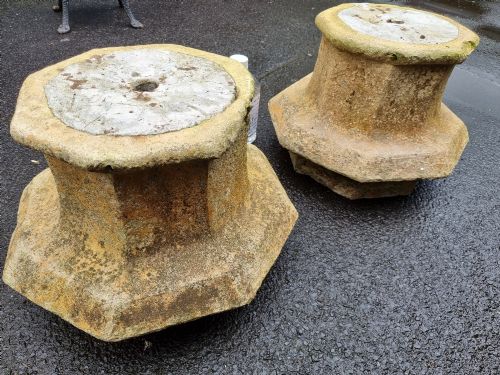

Architectural Plinth
An architectural plinth elevates sculpture, ceramics and ornaments, anchoring space with classical proportions and solid presence.
Architectural Plinth
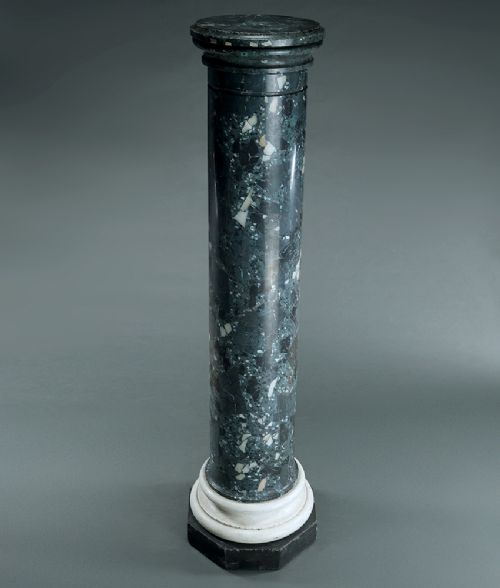
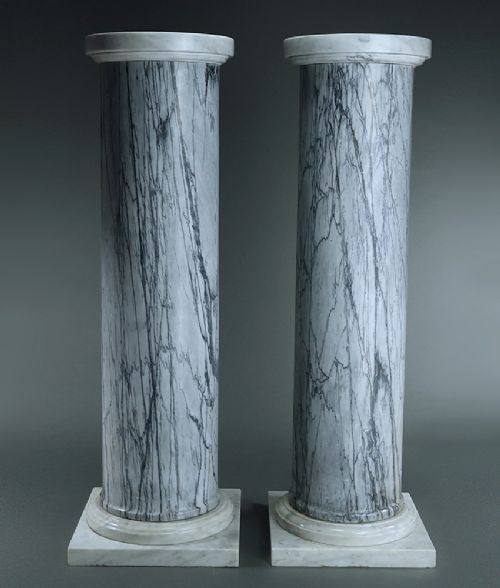
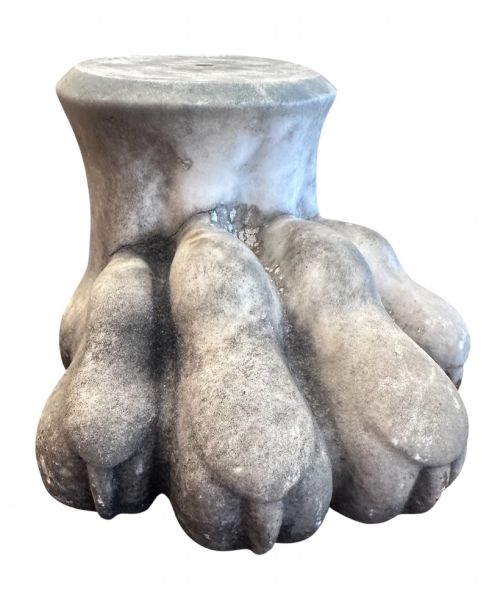
When searching for an architectural plinth, buyers encounter a diverse range of sturdy display supports, pedestals and columns designed to elevate objects of interest. These items serve both functional and decorative roles within interiors and gardens, providing stable elevation for busts, urns and decorative items.
Makers utilised various object types, including sculptural stands, architectural columns and garden planers. Each piece brings a distinct sense of architectural heritage into a domestic or exterior setting.
Materials and construction methods
Construction relies upon traditional materials such as carved oak, pine, beech and mahogany, alongside durable minerals like marble, alabaster, limestone and reconstituted stone. Artisans shaped these heavy materials using hand-carving techniques, turning wood on lathes and casting concrete or stone into architectural moulds.
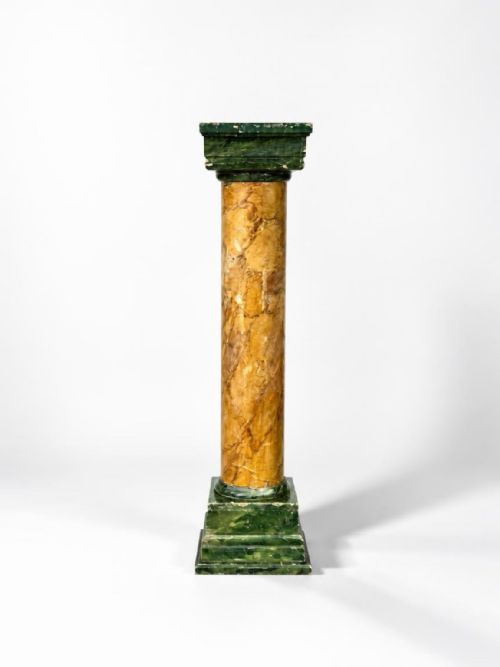
Surface finishes display considerable artistry, featuring painted woodwork, faux marble effects, gilded highlights and scagliola techniques. Plaster and gesso applications provide smooth, refined surfaces suitable for interior display stands and pedestals.
Architectural Plinth Retail Price Guide 2026
Typical asking prices for architectural plinth among the pieces listed under this phrase on Sellingantiques today, from the lower quarter to the upper quarter. They describe what is for sale here now, not the wider market.
Factors separating exceptional pieces
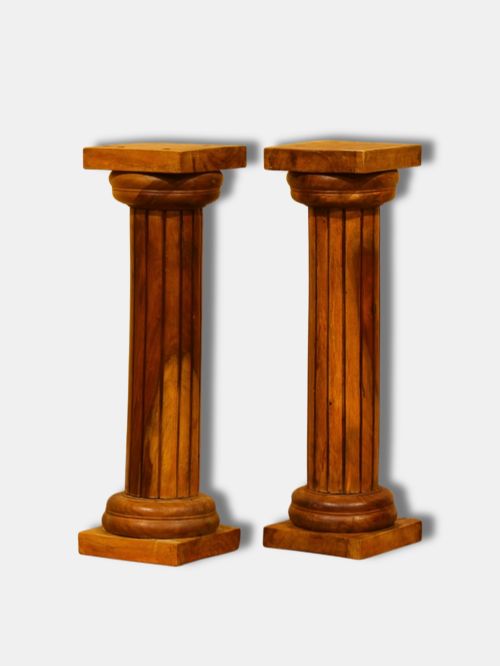
Quality in an architectural plinth rests upon the precision of the carving, the selection of the raw materials, and the sophistication of any applied finish. Fine-grained marbles, tightly turned wooden columns and crisp architectural capitals distinguish superior examples from simpler utilitarian supports.
The integrity of the construction and the subtlety of decorative details, such as parcel gilding or simulated verde antico paintwork, elevate a standard display stand into a notable decorative work.
Marguerite
The Architectural Plinth Glossary
- Scagliola
- A composite material made from selenite, glue and pigments, mimicking true marble with remarkable fidelity. Artisans apply this mixture to architectural columns and pedestals.
- Solomonic
- A column shape characterised by a spiralling or twisting shaft, originating in antiquity and revived during later periods. These add dynamic movement to a display stand.
- Socle
- A short plinth or pedestal supporting a statue, column or bust. It provides a stable base and visually grounds the upper structure.
- Capital
- The topmost member of a column, often decorated with architectural carvings such as Corinthian leaves. It bridges the vertical shaft and the load above.
- Gesso
- A plaster mix applied to wood surfaces as a base for paint or gilding. It creates a smooth ground for ornate decorative finishes.
Architectural Plinth: Frequently Asked Questions
How were architectural plinths traditionally used?
These supports were placed in reception rooms, halls and gardens to elevate statuary, vases and architectural models. Raising objects allowed viewers to appreciate fine details at eye level.
In grand interiors, matching pairs framed doorways or highlighted significant artworks, contributing to a balanced, classical interior scheme.
Are these pieces suitable for outdoor display?
Suitability depends entirely on the original material specified by the maker. Stone, cast stone, stoneware and iron pieces withstand external conditions effectively.
Wooden, plaster and scagliola examples require indoor placement, as moisture and frost will damage painted surfaces and compromise structural integrity.
How do I identify the period of a column?
Period identification relies on observing timber types, surface finishes and stylistic revival cues. Nineteenth-century pieces often incorporate neoclassical or Gothic revival motifs.
Material choices, such as cast iron or specific stone types popular during the Victorian era, provide further clues to dating.
Can these stands support heavy items?
Many pedestals and columns were engineered to bear substantial weight, particularly those carved from solid stone, hardwood or cast iron.
It remains wise to check the top platform area and internal construction to ensure the piece safely accommodates your intended sculpture or planter.