


Architectural Inlay Table
An architectural inlay table is a striking antique centrepiece that brings classical geometry and intricate marquetry directly into a room.
Architectural Inlay Table
An architectural inlay table encompasses sophisticated antique forms incorporating precise geometric marquetry and classical building motifs. When searching for an architectural inlay table, buyers frequently encounter Victorian pedestal centre tables and elaborate nineteenth-century French portico clocks alongside table cabinets.
The pieces bridging this category span from the seventeenth century through the Victorian era, utilising rich timbers such as rosewood and mahogany. These items range from Italian cabinets and German marquetry table cabinets to French timepieces featuring intricate inlaid facades.
Materials and construction methods
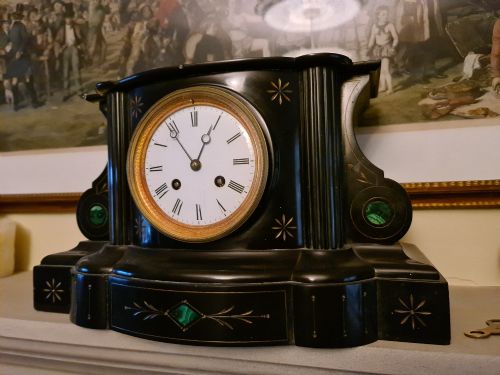
Craftsmen built these pieces using dense hardwoods like rosewood and mahogany, often enhanced by contrasting satinwood and detailed marquetry. Artisans integrated brass, ormolu, enamel, and black slate to accentuate the structured, building-like facades of portico clocks and table cabinets.
Techniques relied on precise cutting of veneers to create architectural perspectives, columns, and geometric patterns. Cabinetmakers combined traditional joinery with fine surface inlay, securing decorative stones such as malachite and glass elements within the wooden structures.
Assessing quality and craftsmanship
Superior examples demonstrate exceptional precision in the alignment of the marquetry and the crispness of the architectural motifs. The finesse of the timber selection, such as figured rosewood paired with clean satinwood, distinguishes finer pieces from simpler work.
Execution of secondary materials like ormolu mounts, enamel dials, and inset slate or marble reveals the maker's skill. Finer items maintain tight joinery and intact veneer work across complex portico and cabinet structures.
Baby and Jannings
The Architectural Inlay Table Glossary
- Marquetry
- Decorative veneer work applied to a furniture structure to form intricate pictures or geometric patterns. This technique defines the surface ornamentation of many Victorian and continental tables and cabinets.
- Portico clock
- A domestic timepiece designed with architectural columns supporting a central pediment, resembling a classical portico. These clocks frequently incorporate rosewood and detailed inlay work.
- Ormolu
- Gilded bronze mounts applied to furniture and clock cases for decorative accent. It provides a bright metallic contrast to dark woods like rosewood and ebonised timber.
- Pedestal centre table
- A freestanding table supported by a central pillar and base rather than four corner legs. They often feature inlaid tops designed to be viewed from all sides.
Architectural Inlay Table: Frequently Asked Questions
What defines an architectural inlay table?
These pieces combine functional furniture or clock forms with geometric marquetry and classical building motifs. They showcase structured designs reminiscent of facades and porticoes.
Craftsmen utilised contrasting timbers like rosewood and satinwood to build visual depth into the surface decoration.
How do I care for rosewood and marquetry surfaces?
Keep wooden antiques away from direct sunlight and steady heat sources to prevent the rosewood and delicate veneers from drying out. Dust gently with a dry, soft cloth and avoid chemical polishes.
Maintaining stable room humidity protects both the timber structure and the intricate inlaid details.
What periods are represented in these designs?
The pieces span multiple eras, including seventeenth-century German work, Victorian designs, and nineteenth-century French creations. Each period brought distinct interpretations of classical architecture to furniture and timepieces.
Victorian interpretations frequently combined rich mahogany or rosewood with precise geometric marquetry.
How do portico clocks relate to these tables?
Portico clocks share the same architectural vocabulary of columns, pediments, and geometric inlay found on centre tables and cabinets. They were produced during the nineteenth century using similar French and Victorian crafting traditions.
Both forms utilise wood veneers and decorative mounts to mimic monumental stone architecture.