

Architectural Garden Salvage
Architectural garden salvage brings together metalwork, stone, and ornaments drawn from estates, streets, and old buildings to anchor a landscape.
Architectural Garden Salvage
Architectural garden salvage spans items retrieved from historic buildings, country houses, and former industrial sites, repurposed for modern gardens. Buyers encounter a mix of functional metalwork, structural stone, and decorative masonry spanning multiple centuries.
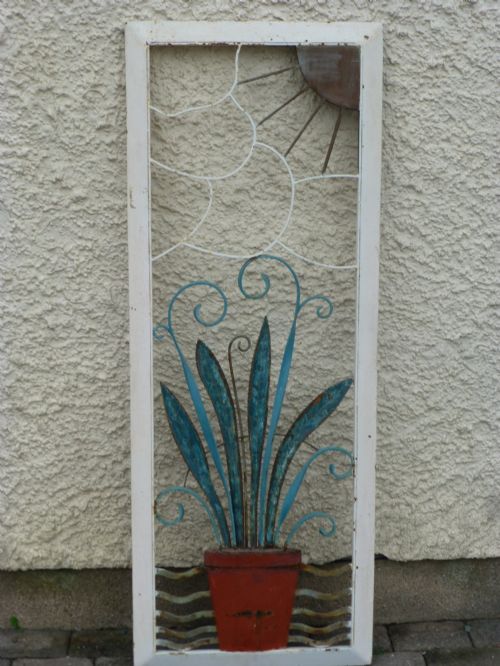
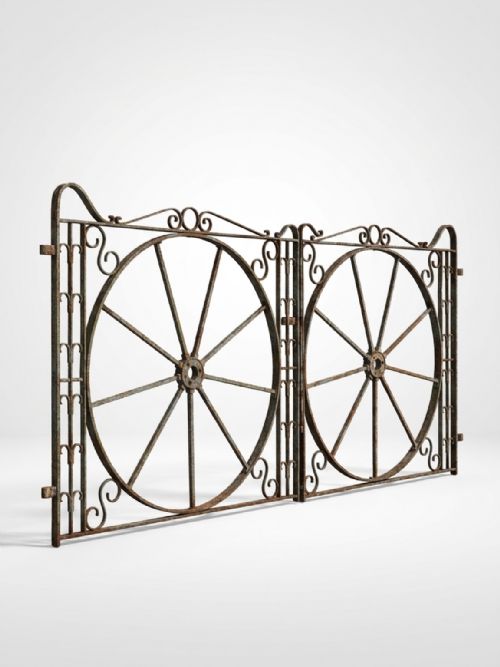
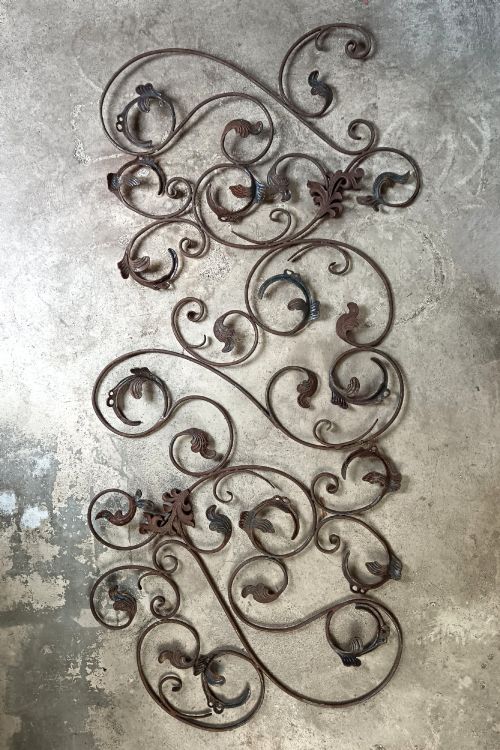
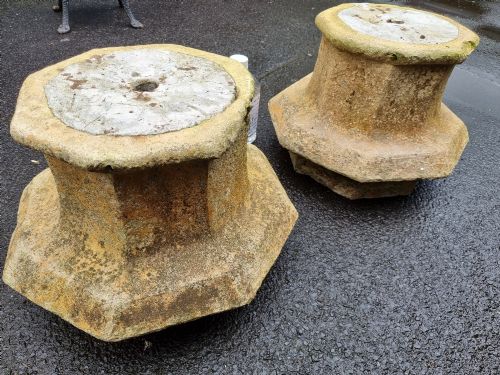
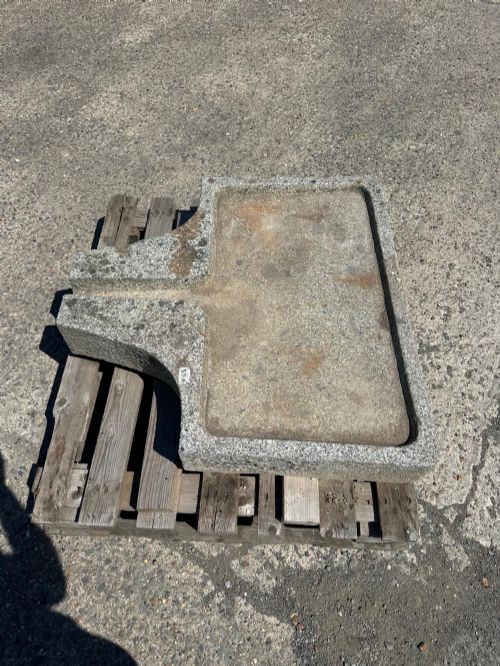
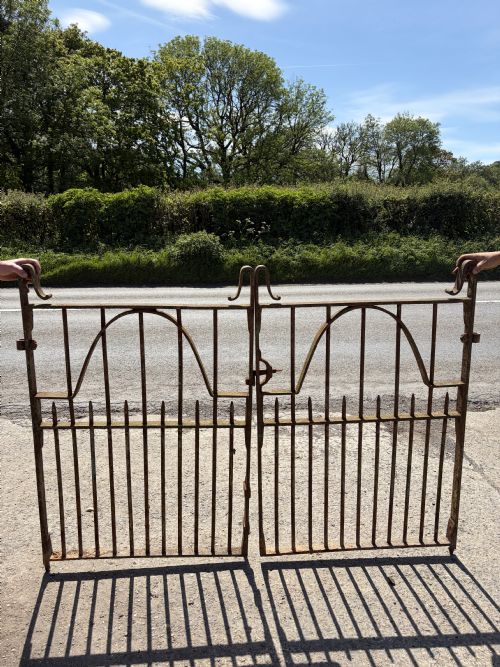
The objects on this page lean heavily into functional estate metalwork, notably garden gates and scrolling iron panels alongside heavy stone troughs, millstones, and staddlestones. Victorian and 19th-century pieces dominate the selection, offering robust utility derived from older agricultural and domestic use.
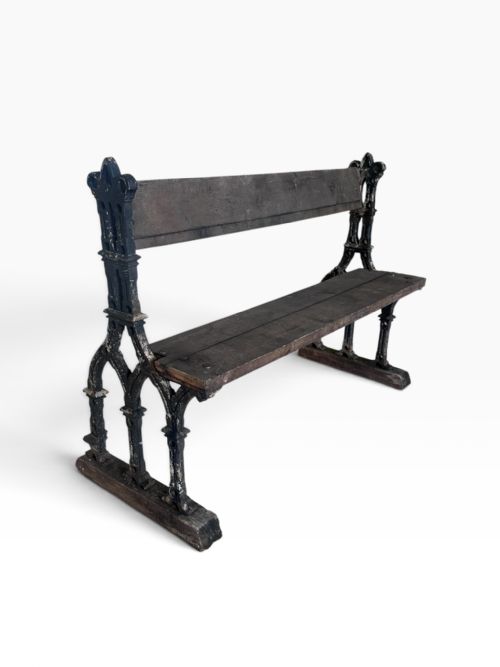
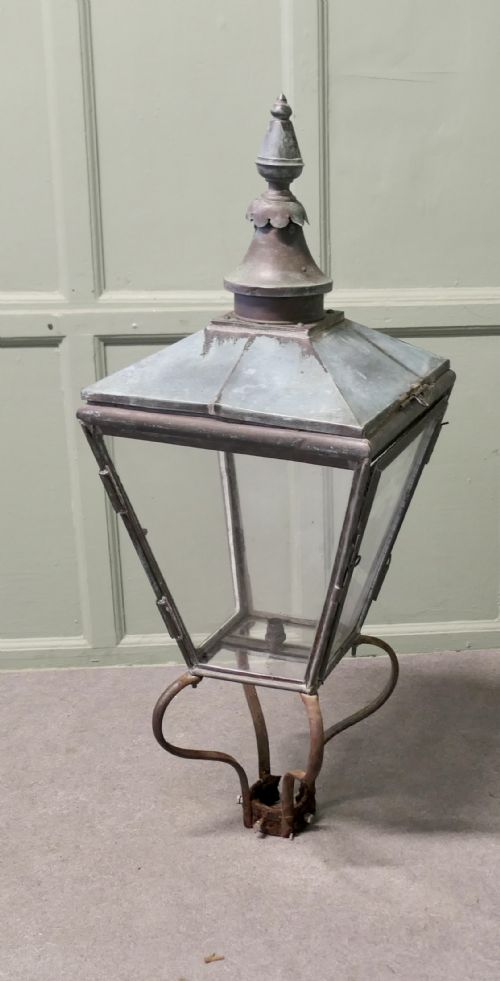
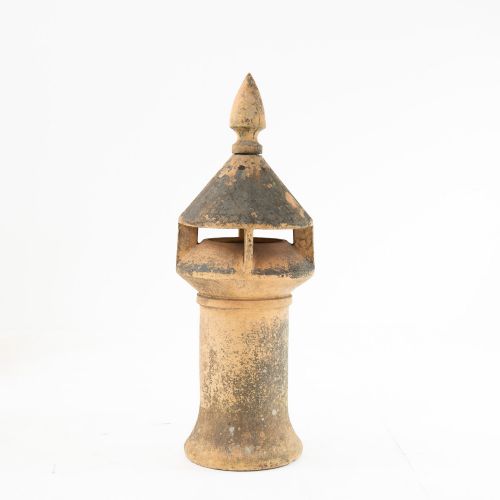
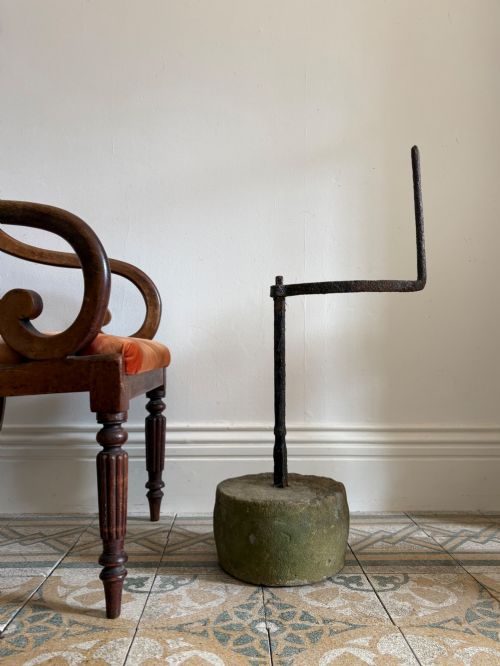
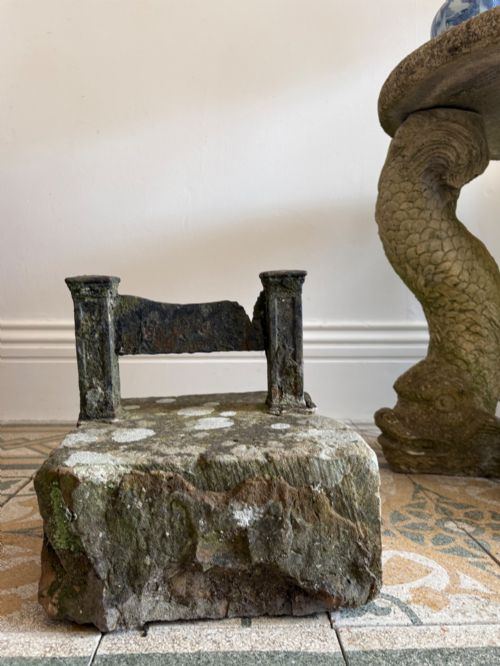
Beyond gates and benches, the inventory extends to chimneys, lanterns, and boot scrapers that once served daily urban and rural life. These pieces retain the marks of long weather exposure and hand forging, appealing to designers seeking authentic period character outdoors.
Materials and construction methods
Blacksmiths and foundries shaped these pieces using durable materials meant to withstand harsh weather, primarily cast iron, wrought iron, and various grades of stone including sandstone, granite, and limestone. Iron elements often combine hand-forged straps with riveted joints, whilst cast elements show the crisp detail of nineteenth-century moulds.
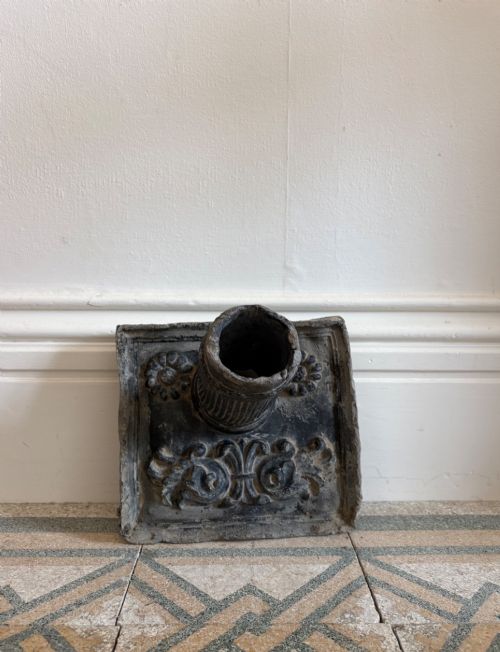
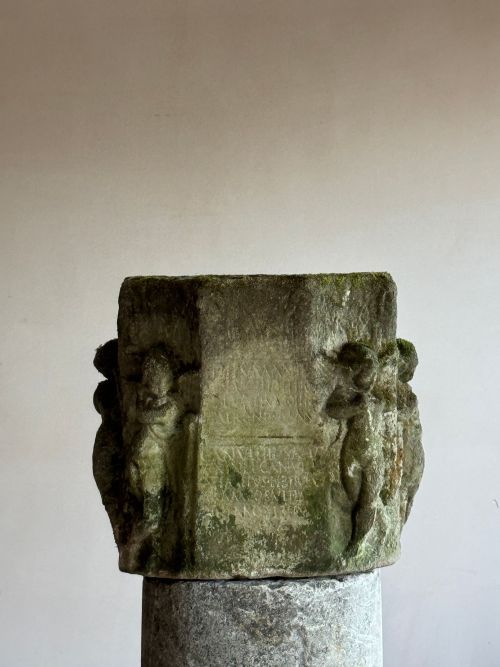
Stone items rely on manual quarrying and traditional banker masonry, evident in carved capitals, troughs, and millstones shaped by hand chisels. Additional elements introduce copper and terracotta, such as street lanterns and chimney pots fired in regional kilns.
A historic fairground boat ride offers an unexpected diversion among the stone troughs and iron gates.
Assessing quality in salvaged pieces
Quality rests on the integrity of the material and the ambition of the original design, distinguishing utilitarian work from pieces commissioned for grand estates. Monumental estate gates and carved limestone pinnacles display superior craftsmanship compared to standard functional hardware.
Preservation of surface texture dictates visual appeal, where natural weathering enhances stone and iron without compromising structural soundness. Pieces retaining original forged details, maker signatures, or documented architectural provenance stand apart in any collection.
C. R. Stevens·Raymond Subes
The Architectural Garden Salvage Glossary
- Staddlestone
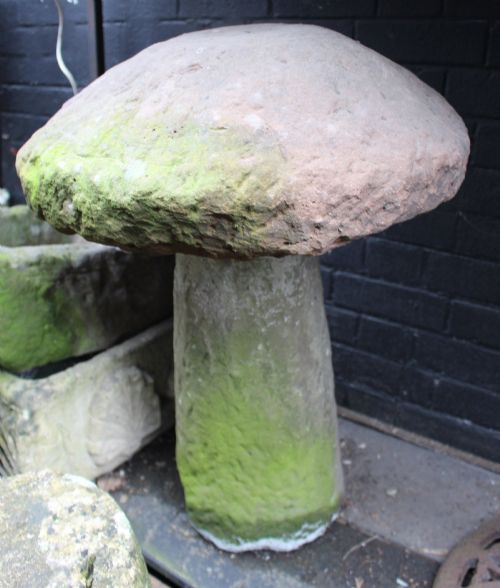
- A mushroom-shaped stone pillar used originally to support granaries and keep out vermin. These stones now serve widely as garden ornaments.
- Boot scraper
- A fixed metal blade or trough mounted near a doorway for cleaning mud from footwear. They appear frequently in cast or wrought iron forms.
- Strapwork
- Flat bands of metal arranged in geometric or interlaced patterns on gates and grilles. Blacksmiths used this technique to reinforce heavy estate entrances.
- Chimney pot
- A cylindrical clay or terracotta structure placed at the top of a chimney stack. Salvaged examples often function as garden planters.
- Capital
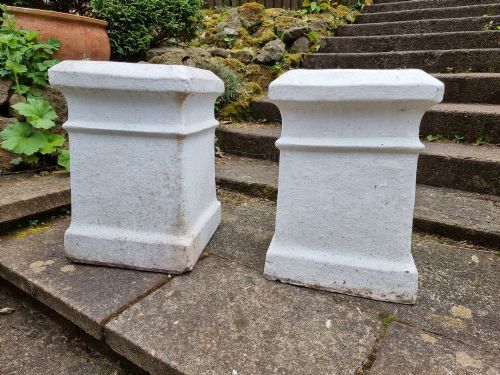
- The uppermost member of a column or pilaster transmitting the load. Carved stone versions survive as architectural pedestals.
Architectural Garden Salvage: Frequently Asked Questions
How do I choose the right garden gate?
Measure your opening carefully and consider whether you need a single pedestrian entrance or a large estate driveway pair. Wrought iron styles offer lighter visual weight, whilst solid historic frames provide greater physical presence.
Check the hanging points and hinges to understand how the gate will mount to your existing stone piers or new posts.
Where should I place staddlestones?
Staddlestones work best placed on level lawns, gravel pathways, or clustered near a terrace where their mushroom profile remains visible. Their solid stone construction allows them to sit directly on earth without sinking.
Arrange pairs or groups to frame garden pathways or anchor the corners of planting beds.
How do I clean old cast iron?
Remove loose surface dirt and flaking oxidation with a stiff bristle brush rather than harsh metal scrapers. Preserving the dark weathered patina is generally preferable to stripping the metal down to bare grey.
Apply a suitable protective oil or wax formulated for exterior ironwork to slow further weathering in damp conditions.
Can antique stone items stay outside in winter?
Hard stones like granite, sandstone, and limestone withstand frost well provided they do not sit in standing water. Elevating troughs and staddlestones slightly prevents moisture absorption from freezing ground.
Terracotta planters and softer composite stone require closer observation during freezing weather to prevent cracking.