
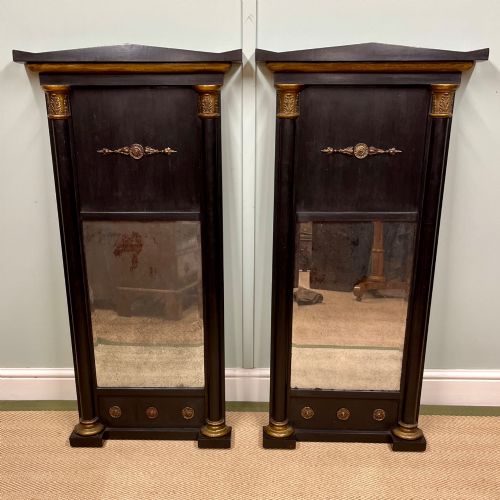


Architectural Column Wall Mirror
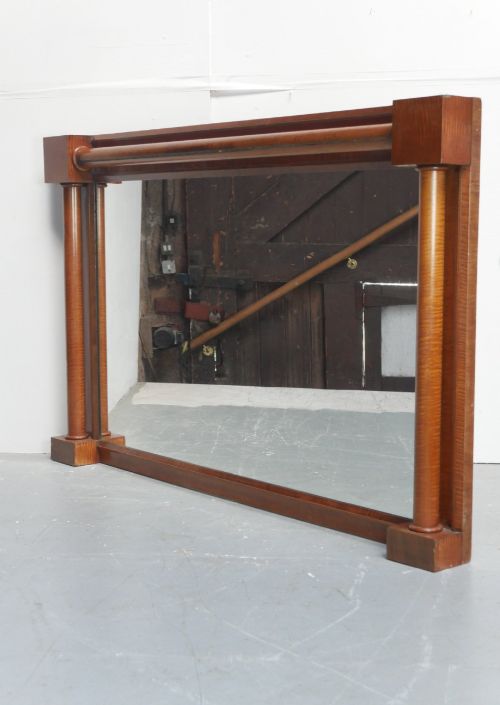
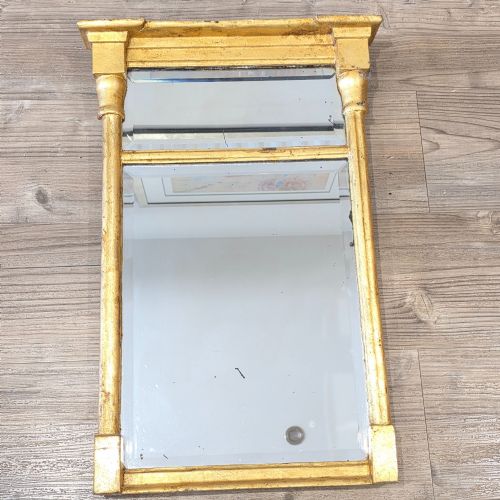
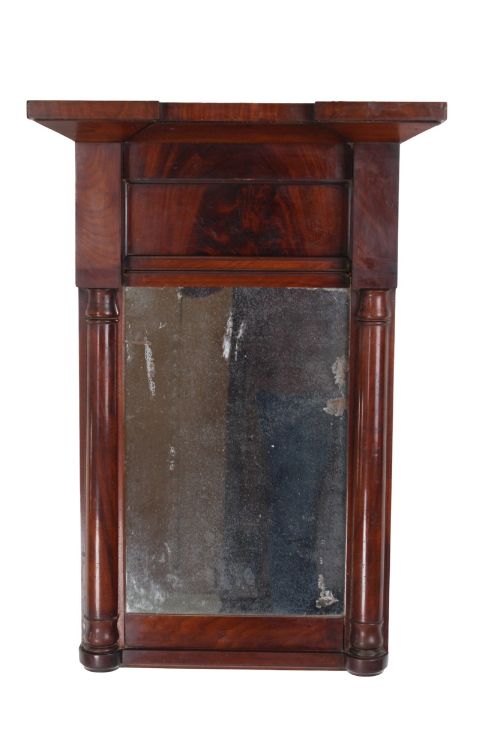
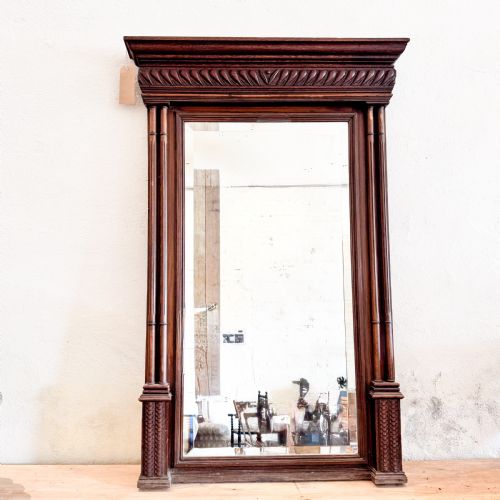
An architectural column wall mirror brings structural discipline and depth to a room, using classical pillars to frame the glass.
Architectural Column Wall Mirror
An architectural column wall mirror employs structural motifs such as pilasters and classical columns to frame its reflective glass, turning a simple hanging into a formal architectural element. When you search for an architectural column wall mirror, you encounter pieces designed to anchor a room by drawing the eye along vertical lines.
The selections span from the Regency and Victorian eras into the early twentieth century, incorporating overmantel, pier, and wall mirror formats. Most examples on this page date from the nineteenth century, featuring frames shaped as architectural facades.
Makers utilised distinct timber foundations including mahogany, walnut, oak, and satin birch, alongside gilded and painted finishes. Pier mirrors and overmantel formats dominate the selection, often incorporating side columns that echo classical building techniques.
Materials and construction methods
Carved wood and gesso form the primary structure for many giltwood and painted examples, providing a smooth base for gold leaf application. Artisans shaped solid timbers such as mahogany, walnut, and oak to build heavy frames capable of supporting substantial glass plates.
Giltwood frames combine carved wood with layers of gesso, which are then gilded to achieve a brilliant reflective surface. Painted wood and ebonised finishes offer alternative treatments, relying on precise surface preparation before final decoration.
Listings feature 19th Century, Regency, Victorian, and 1920 periods alongside materials like glass, giltwood, gesso, mahogany, walnut, painted wood, oak, and carved wood.
Distinctions in quality
The refinement of the carved wooden columns and the crispness of the gesso detailing separate standard frames from superior examples. Master carvers produced crisp fluting and distinct capitals on the columns, whereas lesser pieces rely on softer, less defined moulding.
The choice of primary wood and the integrity of the original gilding or paint dictate the overall character of the piece. Timbers selected for their grain, such as figured mahogany or satin birch, indicate a higher grade of manufacture than plain painted softwoods.
The Architectural Column Wall Mirror Glossary
- Pier mirror
- A tall, narrow mirror designed to hang on the wall space between two windows. These pieces often feature flanking columns to match the vertical proportions of the room.
- Overmantel mirror
- A wide mirror intended to be hung directly above a fireplace mantelpiece. They frequently incorporate architectural framing to anchor the hearth area.
- Giltwood
- Wood that has been coated with a thin layer of gold leaf over a prepared gesso ground. This technique provides the bright, metallic finish seen on many classical frames.
- Gesso
- A plaster mixture applied to wood frames to create a smooth surface for carving or gilding. It allows for intricate relief work around the mirror border.
- Pilaster
- A rectangular architectural column that projects slightly from the wall or frame surface. It mimics a structural support within the design of the mirror.
Architectural Column Wall Mirror: Frequently Asked Questions
How do I hang a heavy column mirror?
These large framed pieces require robust wall fixings secured directly into studs or masonry to support the weight safely. Professional installation is strongly recommended for taller or overmantel formats.
Ensuring the hanging wire or brackets match the load capacity prevents structural strain on the wooden frame over time.
Where should I place a pier mirror?
Historically, pier mirrors hung on the narrow wall between two windows to reflect additional light back into the room. Placing them opposite a window achieves a similar brightening effect in modern spaces.
They also function effectively above console tables or sideboards in entrance halls and reception rooms.
What defines a Regency style mirror?
Regency pieces often draw heavily on classical Greek and Roman motifs, incorporating clean lines, bold cornices, and gilded surfaces. Side columns and ebonised details frequently appear on these designs.
Proportions tend to be balanced and formal, reflecting the architectural interests of the early nineteenth century.