


Architectural Copper
Architectural antique copper pieces bring structural heritage indoors, offering aged metal patination and historic character to modern interiors.
Architectural Copper
Architectural antique copper spans structural elements, exterior fixtures, and building ornaments created across the eighteenth, nineteenth, and early twentieth centuries. These items reflect utilitarian and decorative building traditions, including Georgian, Victorian, Edwardian, and Art Deco design movements.
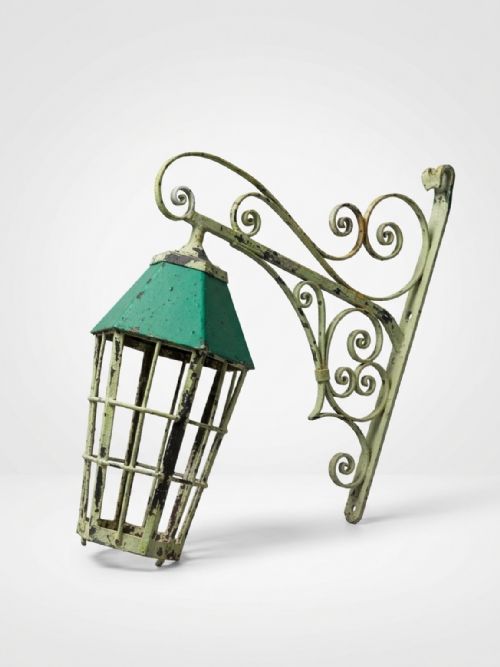
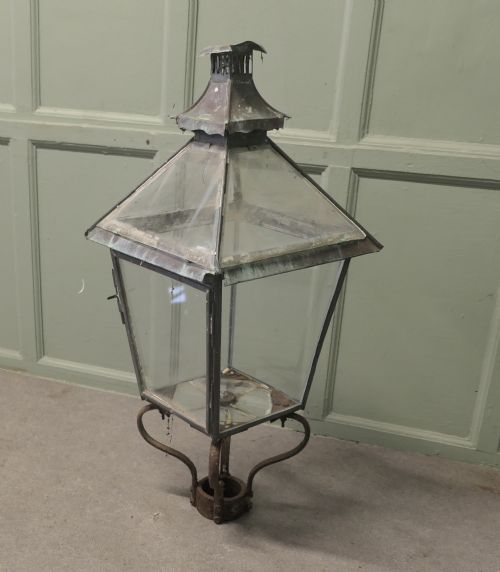
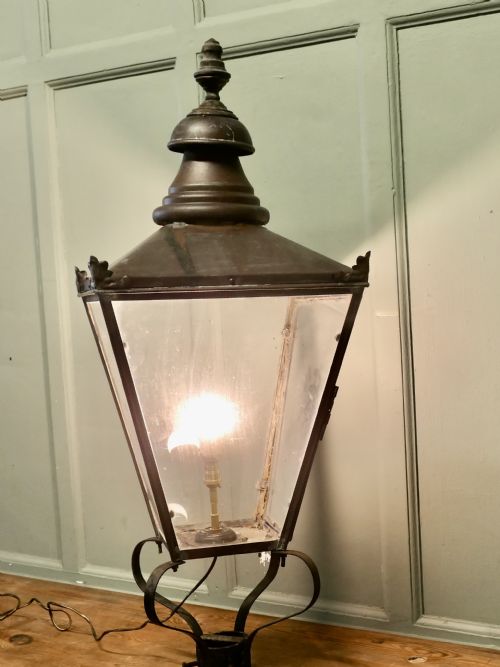
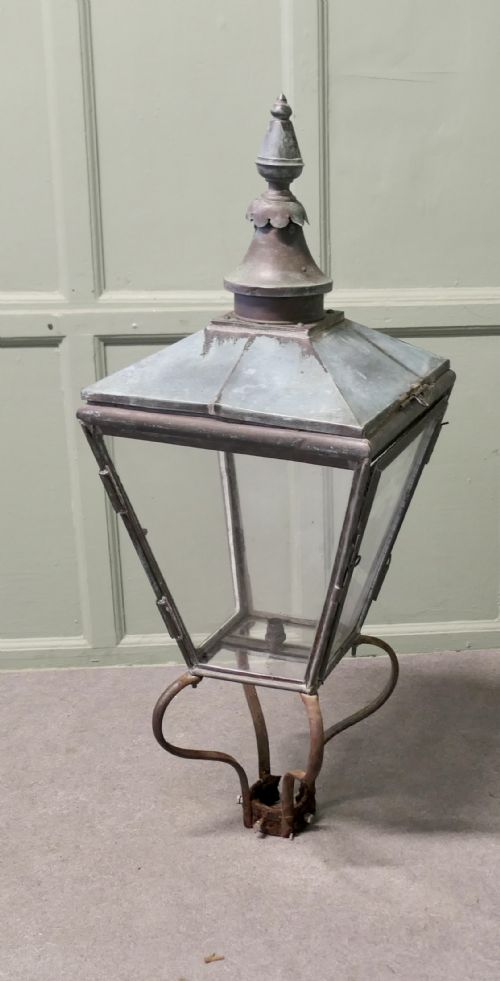
Large lanterns and street lights dominate the forms encountered here, alongside weather vanes, trade signs, clock dials, and fire canopies. Pieces originate from diverse contexts such as street lighting, public buildings, and commercial premises.
Other objects include finials, door furniture, and engraved architectural plates documenting classical antiquities. Each piece demonstrates how functional metalwork served both structural needs and civic ornamentation.
Materials and construction methods
Construction relies heavily on sheet copper shaped through hand-finishing and hammering techniques, often paired with structural iron, wrought iron, and cast bronze. Glazing incorporates glass panels into weather-resistant lantern housings designed for exterior mounting.
Surface decoration extends to painted details, paper elements, and ink engravings on historical plates. Weather vanes and trade signs utilise hand-cut metal profiles balanced for movement and display.
Object types range from street lights and weather vanes to clock faces, trade signs, and engraved architectural plates.
Evaluating quality and execution
Quality reveals itself in the substance of the metalwork, the depth of hand-hammered detailing, and the integrity of original joins. Superior examples maintain structural proportion and retain authentic surface patination accumulated through decades of exposure.
The sophistication of decorative elements, such as finials or foliate brackets on lanterns and weather vanes, distinguishes standard utility items from bespoke architectural commissions.
The Architectural Copper Glossary
- Weather vane
- A moveable device mounted on roofs to indicate wind direction, often formed as silhouettes like cockerels. These pieces combine functional outdoor utility with folk art sculptural qualities.
- Fire canopy
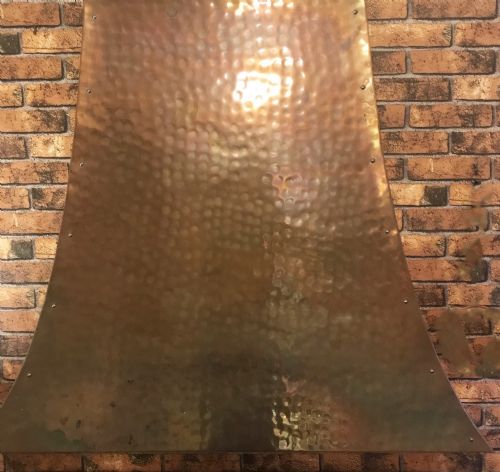
- A projecting metal hood placed above a hearth to capture smoke and direct heat. Hand-hammered copper versions serve both practical fireplace management and ornamental interior display.
- Trade sign
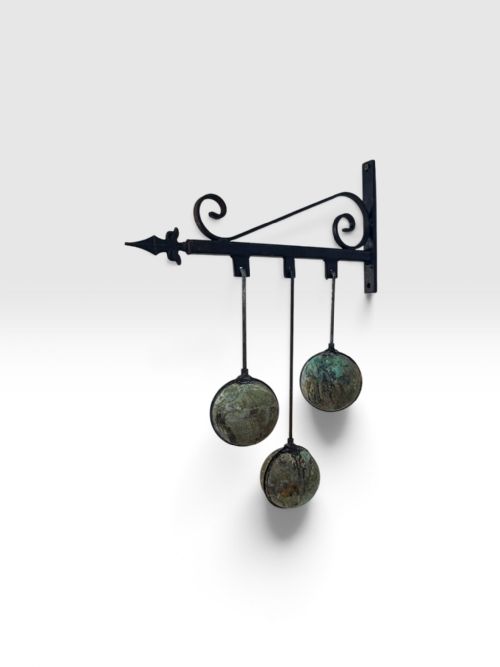
- A hanging or mounted symbol advertising a specific trade or profession, such as a pawnbroker's sign. These objects represent commercial heritage and vernacular metalworking.
- Finial
- A decorative architectural ornament finishing the peak of a roof, gable, or post. French examples demonstrate sculptural metal shaping at structural summits.
Architectural Copper: Frequently Asked Questions
How do I clean architectural copper?
Historic copper should be gently dusted with a soft cloth to preserve its accumulated oxidation and historic surface character.
Avoid aggressive metal polishes that strip away natural patination and diminish the antique value of the metal.
Can these lanterns be wired for electricity?
Most large antique lanterns and street lamps can be adapted by a qualified electrician for modern interior or exterior lighting.
Original glass panels and metal frames require careful handling during any modern wiring installation.
Where were weather vanes originally mounted?
Weather vanes were traditionally installed on the highest points of buildings, barns, and municipal structures to catch the wind.
Today, many find new placement inside homes as sculptural decorative objects or mounted securely in sheltered exterior spaces.
How do I date an antique copper piece?
Dating relies on stylistic clues from periods such as Georgian, Victorian, Edwardian, and Art Deco, alongside construction methods.
Hand-hammered seams, fastening types, and associated brass or iron hardware help narrow the decade of manufacture.