

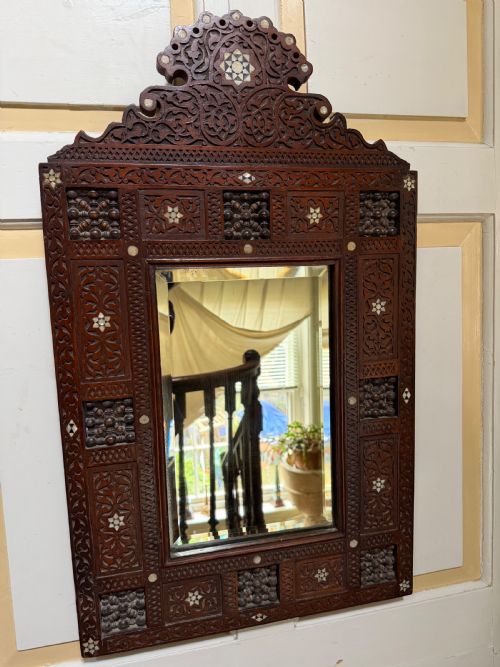


Arched Wooden Mirror
An arched wooden mirror brings architectural grace to a room, offering reflected light and depth through curved timber frames.
Arched Wooden Mirror
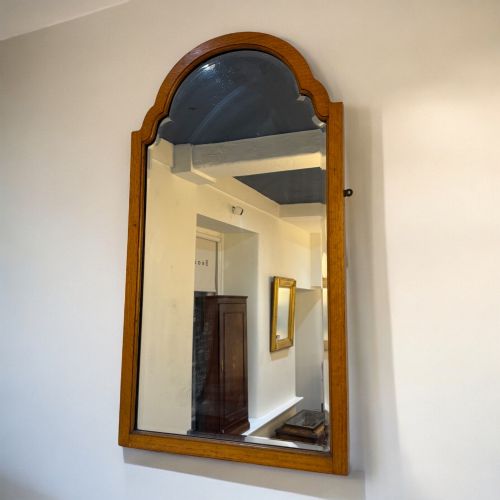
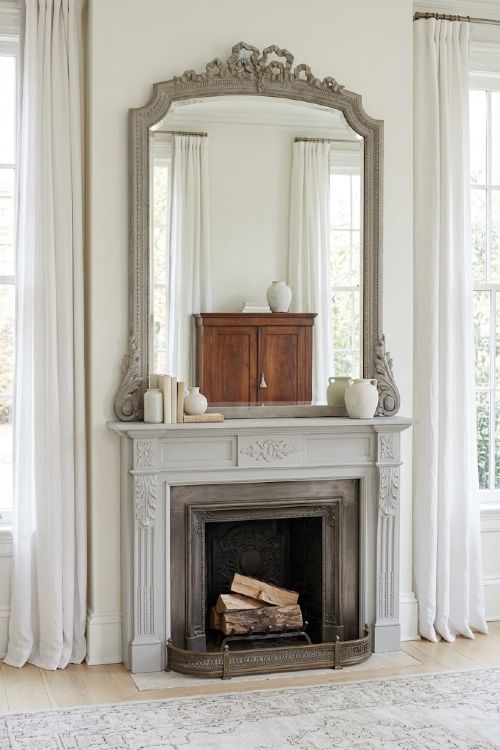
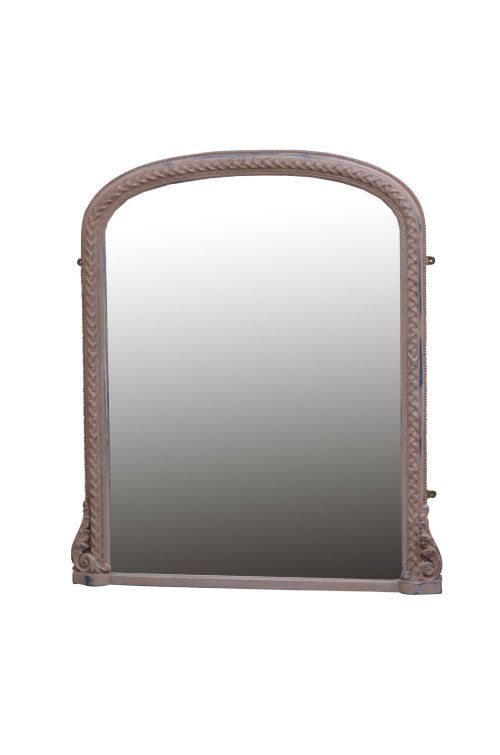
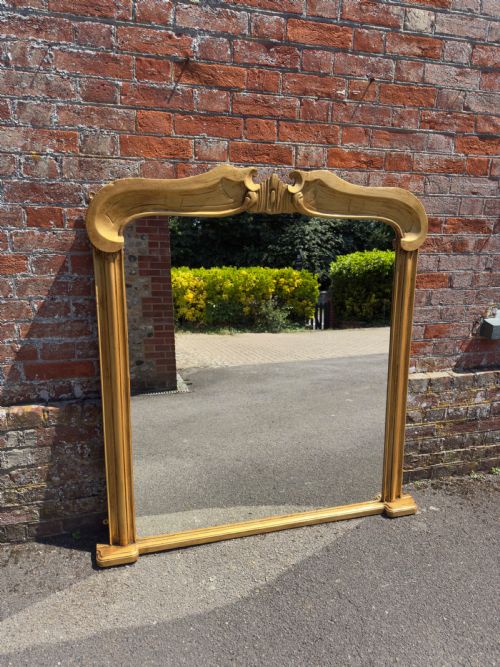
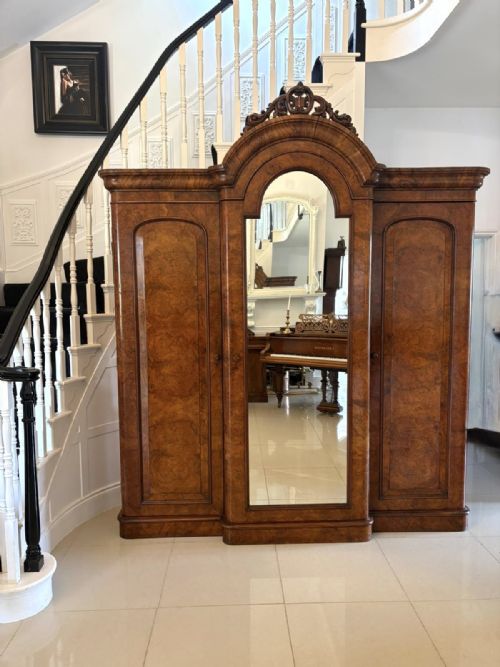
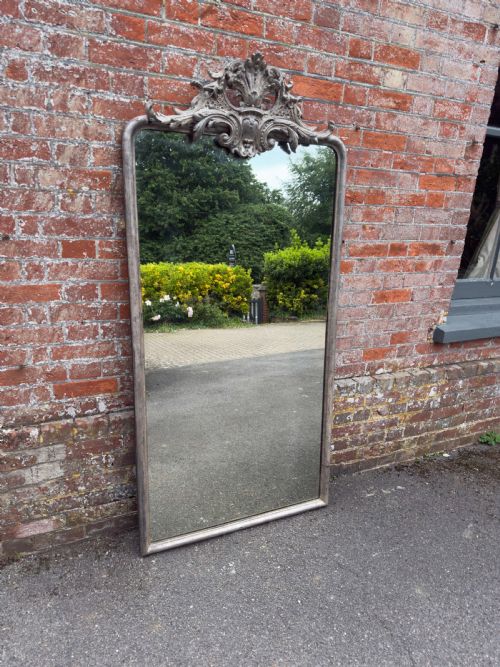
An arched wooden mirror typically appears as a substantial overmantel piece or a wall-hanging format originating from the nineteenth and early twentieth centuries. These items draw on Victorian, Edwardian, and French design traditions, spanning straightforward domestic examples to elaborate decorative furnishings.
Makers and regional styles introduce specific regional character, from English Victorian walnut to French Louis Philippe frames and intricate Levantine or Syrian inlaid work.
Materials and Technique
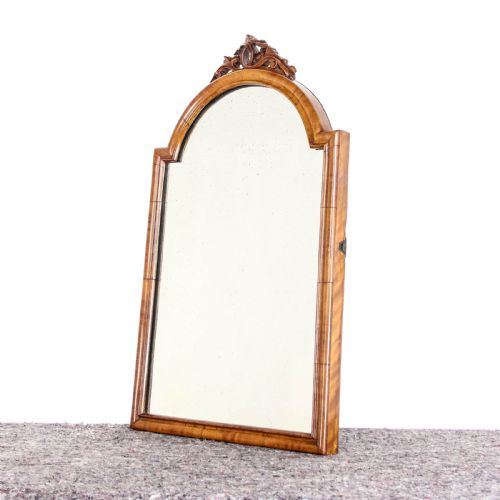
Frames rely principally on timber such as walnut, mahogany, and oak, frequently enhanced by applied gesso, paint, parcel gilt, or ormolu mounts. Carvers shaped the wood by hand, producing rounded arches and elaborate moulding.
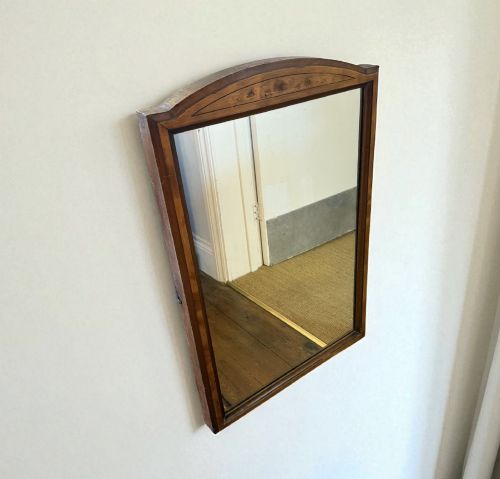
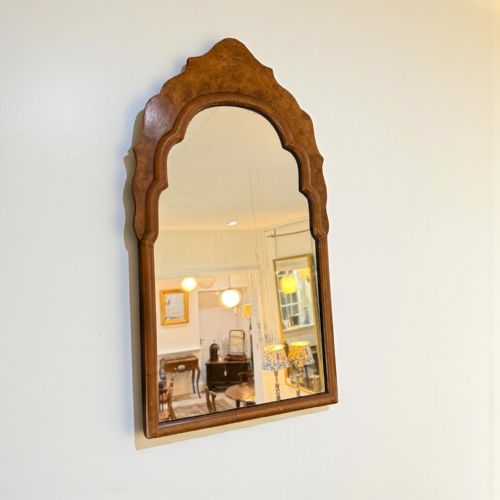
Specialist decorative techniques include burr veneer work, nacre-shell inlay, and turned mashrabiya panels. Glass plates sit within the timber housings, occasionally retaining original silvering or bevelled edges.
Some nineteenth-century frames incorporate hidden storage or secret compartments behind the glass for keeping small treasures safe.
Judging Quality
Quality rests in the crispness of the hand-carved woodwork and the selection of figured timbers like burr walnut or yew-wood. Superior examples display balanced proportions and meticulous joinery that hold the arched frame true over decades.
The sophistication of surface finishes, such as layered paint palettes, intricate gilt work, or accurately fitted mother-of-pearl and nacre inlays, separates standard utility pieces from exceptional decorative works.
Heal and Sons·Liberty and Co
The Arched Wooden Mirror Glossary
- Overmantel mirror
- A large mirror specifically proportioned to hang on the wall directly above a fireplace mantelpiece. These often incorporate arched or domed crests.
- Gesso
- A plaster-based mixture applied to wood frames to provide a smooth base for gilding or painting. It allows intricate relief ornamentation to be moulded onto the timber.
- Mashrabiya
- An architectural element of turned wooden lattice panels used in traditional Middle Eastern joinery. It appears in frames originating from regions like Syria and the Levant.
- Burr walnut
- A specialised timber cut from the wart-like growths on walnut trees, yielding highly swirled grain patterns. Cabinet makers utilised these veneers for decorative impact on premium furniture.
- Cheval mirror
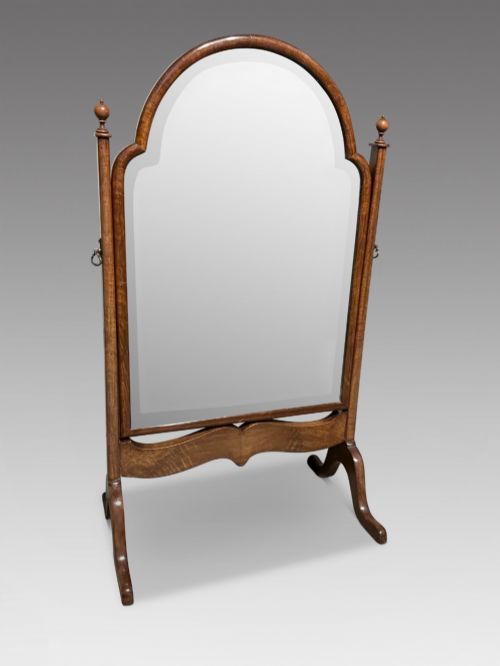
- A full-length mirror hung on a vertical swivelling frame supported by feet or legs. This allows the glass to tilt to various angles.
Arched Wooden Mirror: Frequently Asked Questions
How do I hang a heavy arched wooden mirror?
Large overmantel and wall mirrors require secure fixings anchored directly into wall studs or masonry to support their substantial timber and glass weight safely.
Professional mirror plates or heavy-duty brackets attached to the back frame ensure the piece hangs flush and stable against the wall surface.
Where should I place an arched wooden mirror?
These pieces naturally anchor a room when positioned above a mantelpiece, sideboard, or console table. Placing them opposite a window also helps maximise reflected natural light.
Consider the ceiling height and proportions of surrounding furniture to ensure the curved arch complements the vertical space.
How do I clean an antique wooden frame?
Dust timber frames gently with a soft, dry cloth to prevent any buildup of dirt within carved recesses or applied gesso details. Avoid using standard household polishes or wet cloths that might damage aged wax or painted surfaces.
Specialist furniture wax can be applied sparingly to unpainted wood to nourish the grain if the finish appears dry.
Are the mirror plates original?
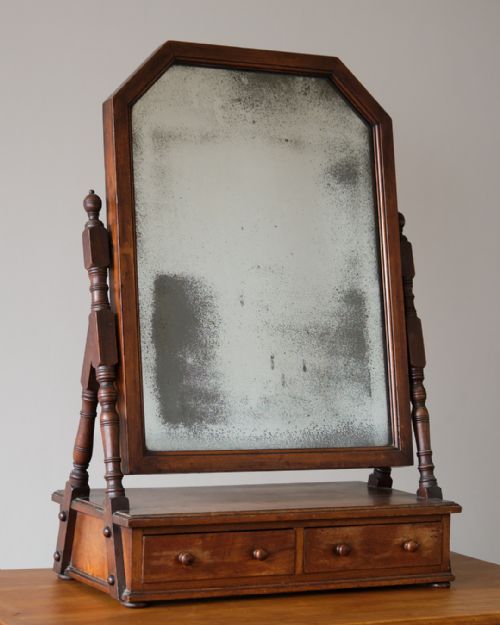
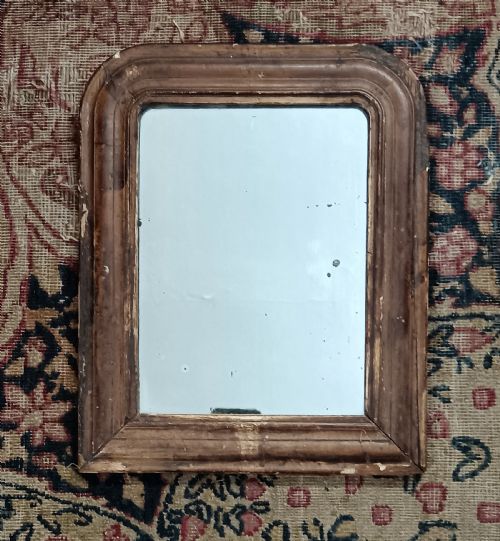
Many nineteenth-century pieces retain their original glass, which may display subtle foxing, minor speckling, or light distortion characteristic of older manufacturing methods.
Some items may have replacement glass fitted during their history to maintain a clear reflection while preserving the historic frame.