


Arched Top Frame
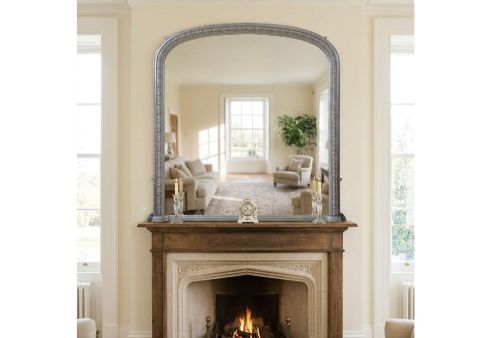
An arched top frame typically houses an overmantel or wall mirror, bringing traditional height and proportion to a chimney breast.
Arched Top Frame
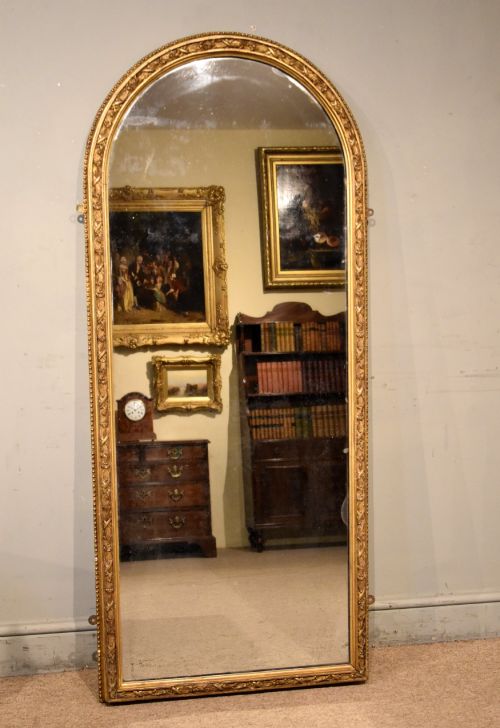
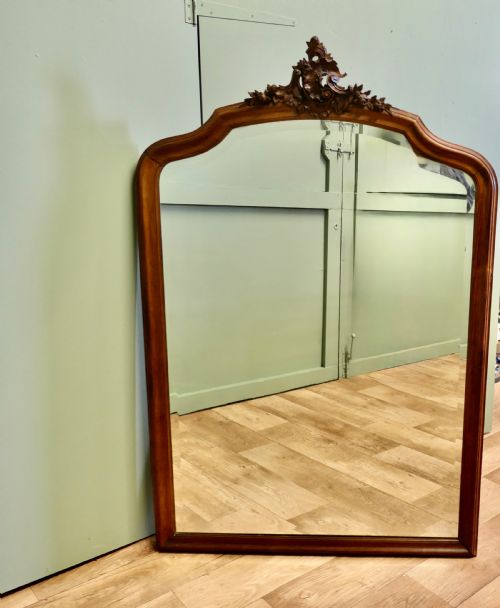
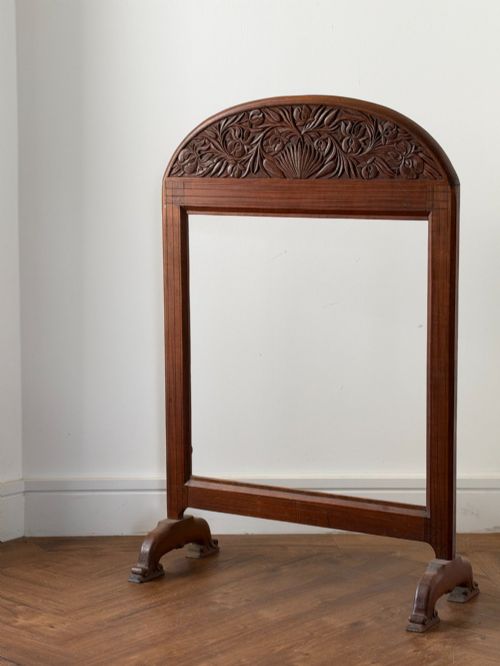
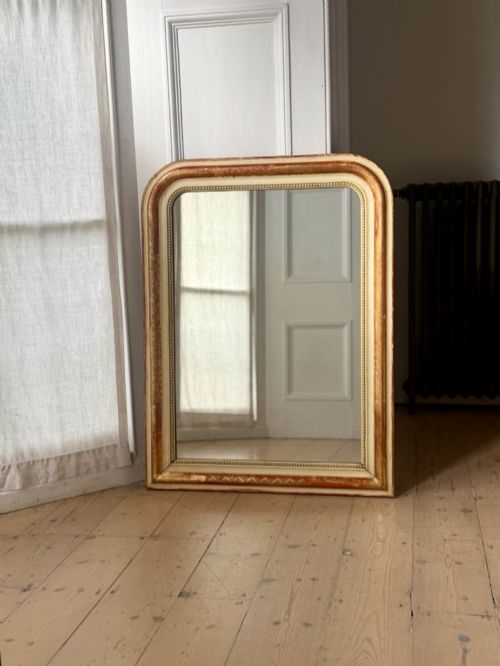
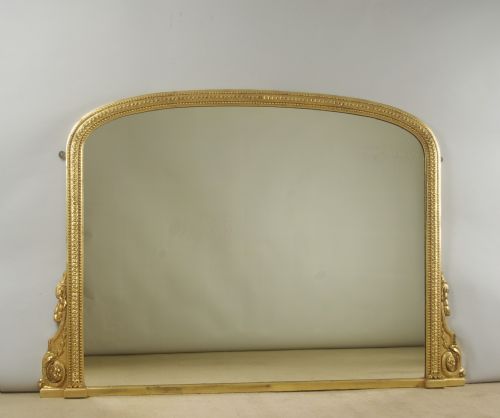
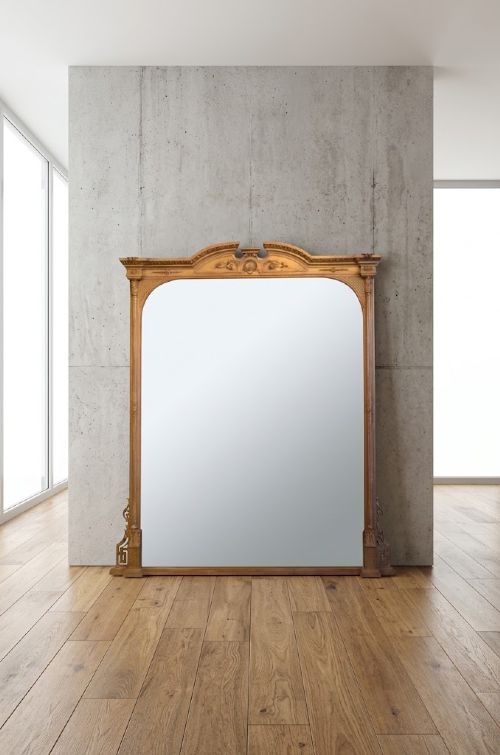
An arched top frame most frequently takes the form of an overmantel mirror designed to sit above a fireplace, alongside tall wall mirrors and cheval mirrors. These pieces span the Victorian and Edwardian eras, as well as the mid to late nineteenth century, drawing on French Louis Philippe and English styles.
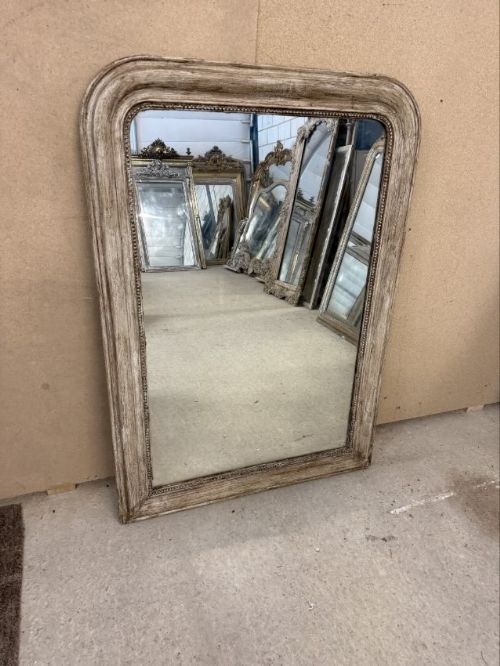
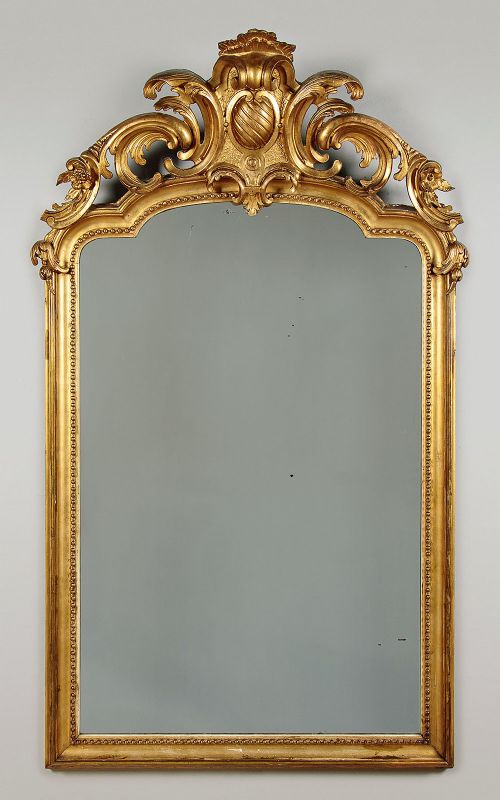
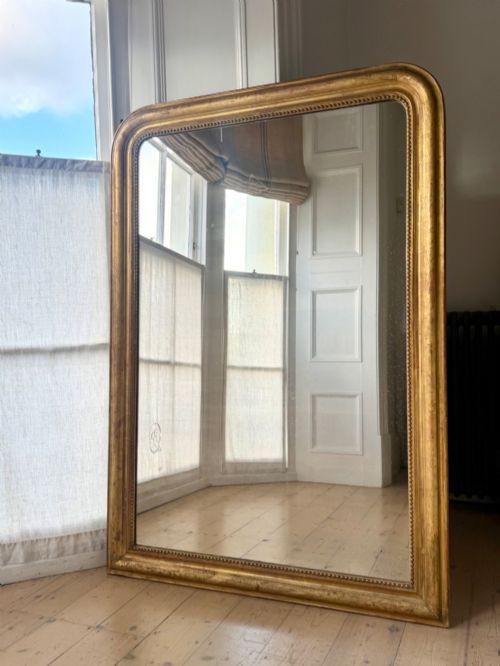
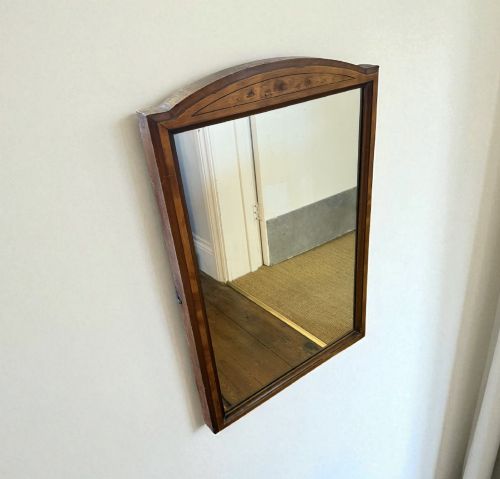
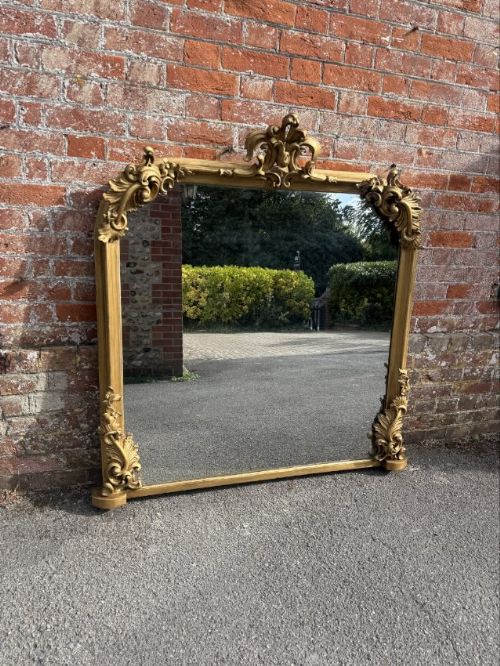
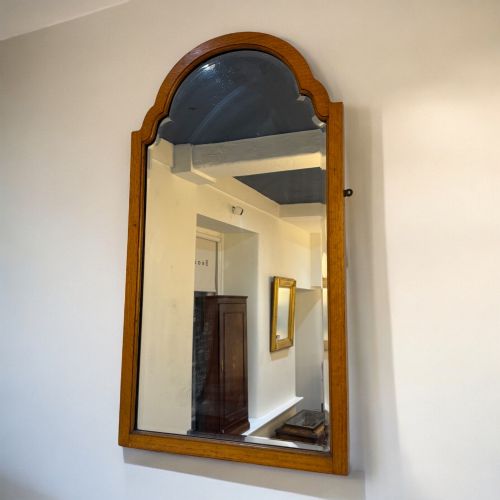
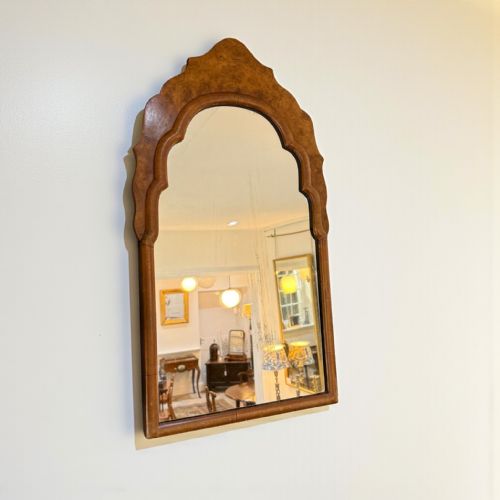
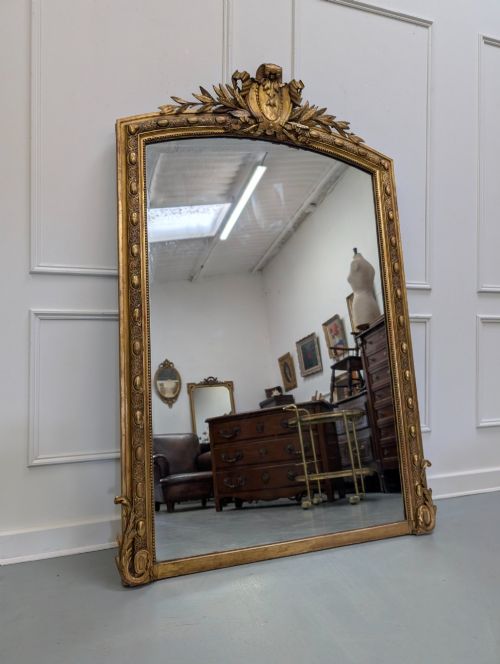
The dominant format on this page is the large gilt overmantel mirror, often constructed with a rounded or shaped upper sweep. Alongside these heavily gilded English examples appear simpler walnut frames and French designs influenced by Rococo Revival tastes.
How they were made
Makers built these frames using timber such as walnut, yew, and mahogany, applying gesso over carved wood to form intricate surface ornaments like rope twists, ribbed columns, and tulip motifs. Gold leaf or silvered finishes were then laid onto the gesso base to achieve the reflective, gilded appearance characteristic of the period.
Mirror glass was fitted into these shaped wooden structures, supported by robust backing boards designed to distribute the considerable weight of large overmantel proportions.
Arched Top Frame Retail Price Guide 2026
Typical asking prices for arched top frame among the pieces listed under this phrase on Sellingantiques today, from the lower quarter to the upper quarter. They describe what is for sale here now, not the wider market.
Listings span the Victorian and Edwardian eras, incorporating French Louis Philippe influences alongside traditional English overmantel forms.
What varies in quality
The skill of the carver dictates the crispness of details like rope twists, ribbed columns, and moulded crests, separating deeply articulated wooden ornaments from softer, flatter castings made of composition material.
The depth and consistency of the gilding, whether through applied gold leaf or metallic finishes over gesso, determine the visual richness of the surface across different examples.
The Arched Top Frame Glossary
- Overmantel mirror
- A large mirror specifically proportioned to hang on the wall directly above a fireplace mantelpiece. These often utilise an arched top frame to echo the architectural shape of the chimney breast.
- Gesso
- A plaster-like mixture applied to a wooden base and built up in layers so that carvers could shape intricate surface decorations before gilding. It provides the smooth foundation necessary for metallic leaf.
- Louis Philippe
- A French nineteenth-century style characterised by restrained classical proportions, gentle curves, and simple arched upper frames rather than heavy ornamentation. It offers a cleaner silhouette than typical Victorian pieces.
- Rope twist
- A decorative carved moulding resembling the intertwined strands of a rope, frequently seen running along the inner or outer border of nineteenth-century gilt frames.
Arched Top Frame: Frequently Asked Questions
How do I hang a heavy overmantel mirror?
These large mirrors carry substantial weight due to their timber construction and thick glass, requiring secure fixings anchored directly into the wall studs or masonry.
Professional mirror hangers often utilise heavy-duty wall brackets or French cleats distributed evenly across the frame's back to safely support the vertical load.
Where should I place an arched mirror?
An arched top frame finds its traditional home above a living room fireplace, where the curved top draws the eye upward and balances the horizontal line of the mantel.
They also function effectively on main hallway walls or opposite windows to amplify natural light and create a sense of extended depth in smaller reception rooms.
How do I clean an antique gilt frame?
Gilded surfaces require delicate maintenance to preserve the original gold leaf or metal finish applied over the underlying gesso.
Dust the carved details gently with a soft, dry brush, avoiding all chemical polishes, abrasive cloths, and excess moisture that could strip the metallic layers.
How can I tell a Victorian mirror from a French Louis Philippe one?
Victorian examples tend to feature heavier decoration, including deep carved wood and gesso mouldings, rope twists, and elaborate crests.
Louis Philippe mirrors from the mid-nineteenth century typically present a simpler profile with minimal ornamentation, subtle rounded top corners, and a cleaner, more understated elegance.