
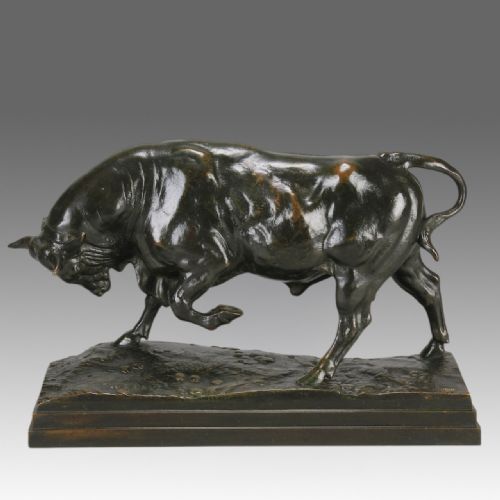


Antoine Louis Barye Statue
An antoine louis barye statue brings the muscular tension of nineteenth-century French animalier sculpture directly to a room through cast metal.
Antoine Louis Barye Statue
An antoine louis barye statue captures wild animals and domestic breeds with intense anatomical precision. You encounter studies of bulls, water buffalo, rabbits, spaniels, eagles, deer, hounds, lions, panthers, and jaguars.
The pieces on this page stem from the nineteenth century, including specific dates across the eighteen-fifties and sixties alongside Victorian and later nineteenth-century periods. Sculptures and statues represent the primary object types available here.
French animalier styling dominates these works, reflecting the nineteenth-century French school of wildlife art. Most examples appear in bronze, often supported by timber bases or marble plinths.
How they were made
Foundries produced these sculptures in bronze, utilising metal casting techniques to capture complex animal forms. Makers applied dark patina, patinated bronze, or gilt bronze and ormolu finishes to the metallic surfaces.
Many bronzes received professional foundry casting by Barbedienne, ensuring crisp detail in feathers, fur, and muscle structure. Completed metal figures were frequently mounted upon integrated timber bases or marble plinths for stability and display.
Even a bronze rabbit or King Charles spaniel is sculpted with the ferocious dignity of a jungle predator.
What varies in quality
The sophistication of the casting and the depth of the chasing determine the visual power of an animalier bronze. Sharp rendering of muscle and texture separates standard commercial editions from superior works.
Surface treatments range from rich dark patinas to detailed gilt bronze and ormolu applications. The quality of the original foundry work, such as pieces bearing the Barbedienne stamp, influences the standing of the sculpture.
Barbedienne
The Antoine Louis Barye Statue Glossary
- Animalier
- A nineteenth-century artistic genre dedicated to the realistic portrayal of animals, particularly wild beasts and hunting dogs. Sculptors in this tradition focused heavily on anatomical accuracy and natural movement.
- Patina
- The surface coloration and sheen developed on bronze through chemical treatment or natural ageing. Dark patina finishes accentuate the muscular contours of wildlife sculptures.
- Ormolu
- Gilt bronze applied as a surface finish to metal objects. This technique adds a bright golden lustre to select details of the sculpture.
- Foundry
- A workshop where metal is melted and poured into moulds to create sculptures. Renowned foundries like Barbedienne produced high-grade bronze editions.
Antoine Louis Barye Statue: Frequently Asked Questions
What subjects appear in these statues?
The subjects include wild animals such as lions, panthers, jaguars, eagles, deer, and water buffalo alongside domestic animals like spaniels and hounds. Each study captures the physical tension and realistic posture of the creature.
Most works belong to the nineteenth-century French animalier tradition, focusing on accurate anatomy and vigorous movement.
How do you display an animalier bronze?
These sculptures sit well on desks, mantelpieces, or dedicated display tables where adequate light reveals the surface patination. Many pieces include timber bases or marble plinths that provide a stable foundation.
Placing the statue away from direct moisture protects the bronze surface and any underlying display materials.
Who cast these nineteenth-century bronzes?
Selected bronzes on this page were cast by the Barbedienne foundry in France. Foundry marks help identify the workshop responsible for pouring and finishing the metal.
Such foundry involvement ensures precise metalwork and careful surface chasing across the sculpture.
What materials make up these sculptures?
The primary material is bronze, finished with dark patina, patinated bronze, gilt bronze, or ormolu. Some examples feature integrated timber bases or marble supports.
These combination materials provide both structural support and aesthetic contrast for the metal figures.