
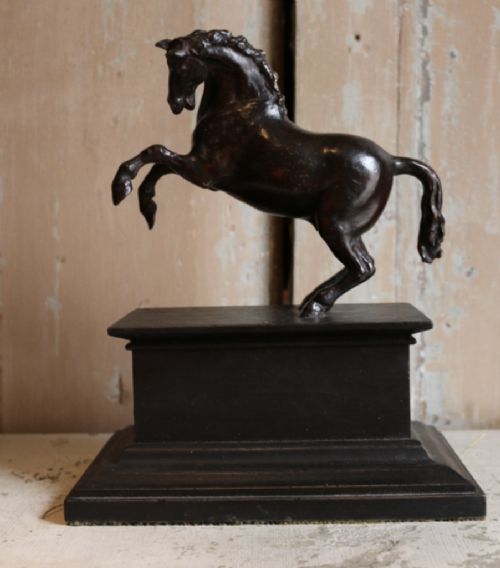


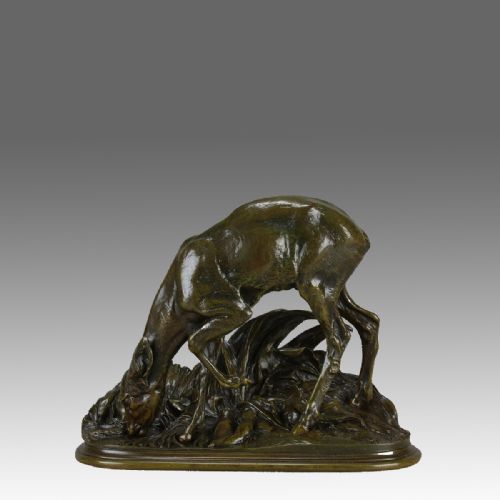

Patinated Bronze Animal Statuette
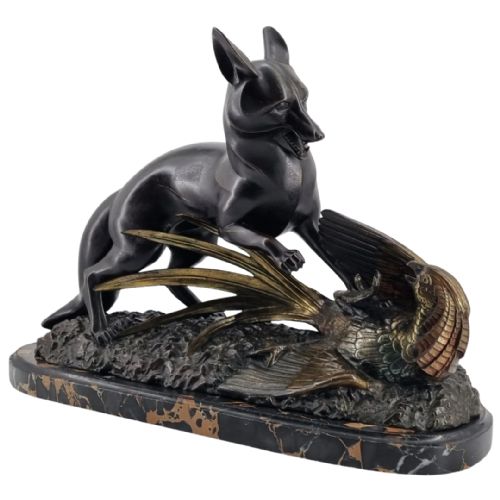
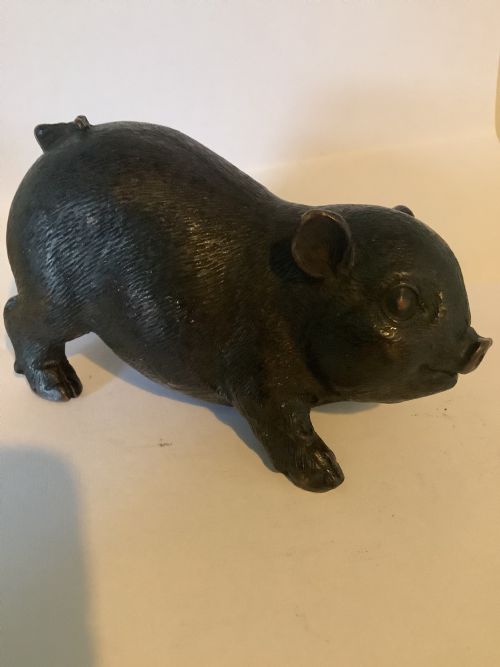
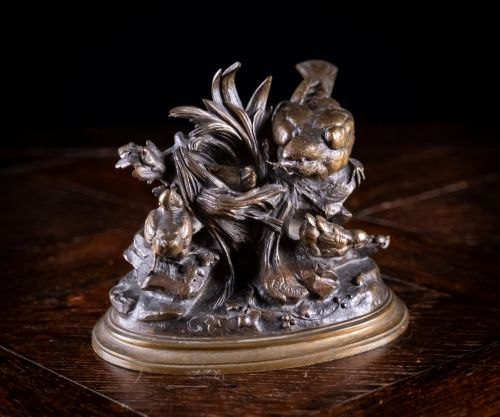
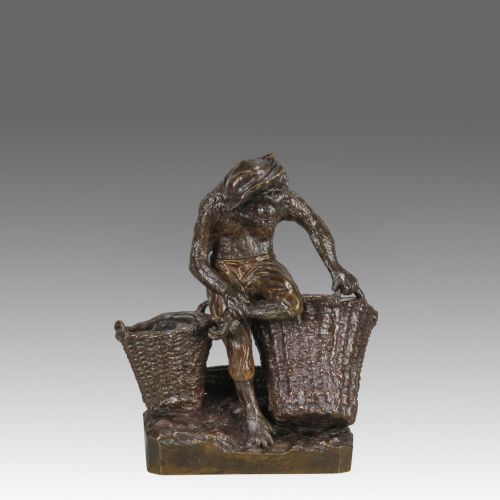
These patinated bronze animal statuette pieces capture natural movement in heavy metal, offering enduring sculptural character for any room.
Patinated Bronze Animal Statuette
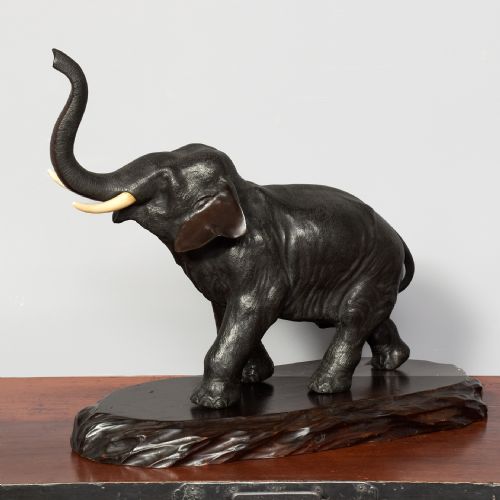
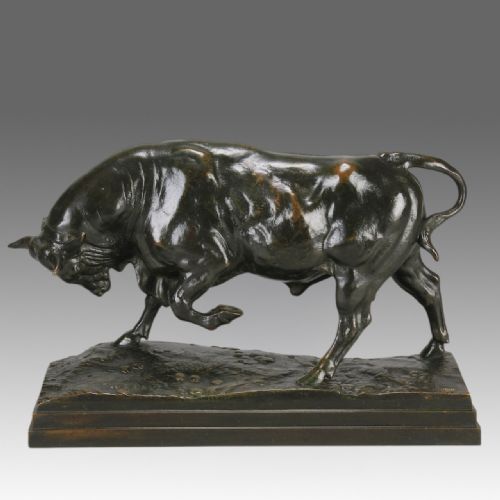
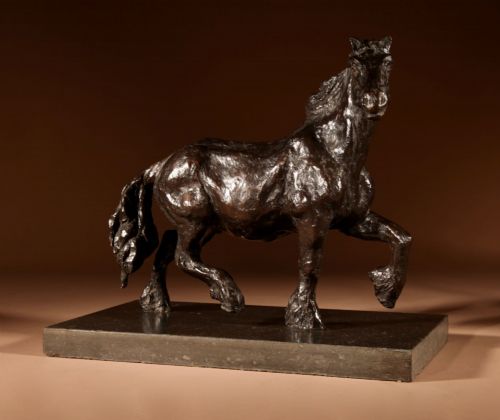
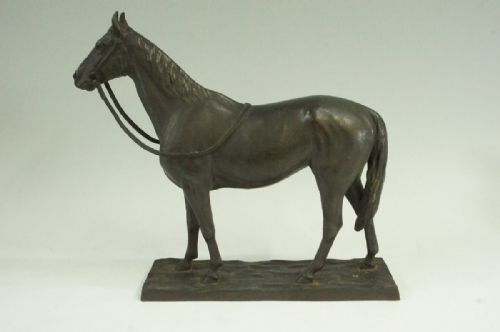
Buyers encounter subjects ranging from bulls and horses to birds, elephants, and dogs. Forms appear as single figures or grouped animals, frequently mounted on stone, marble, or hardwood bases.
How they were made
Foundries utilised traditional casting methods to shape bronze into realistic or stylised forms. Workers then applied chemical patination treatments to achieve dark surface tones, sometimes combining the metal with ivory tusks or stone plinths.
Finishers chased the cooled bronze surfaces by hand to sharpen anatomical details and textures. This metalwork technique defines the distinct coloration found across the periods represented.
Several bronze bulls appear ready to charge across your desk, while a stoic bulldog watches quietly from his corner.
What varies in quality
The precision of the casting and the depth of the patination dictate the visual strength of each work. Superior examples display crisp anatomical definition and careful hand-chasing across fur, muscle, and feathers.
The quality of the mount and the integration of secondary materials like marble bases or ivory elements influence the overall execution. Stronger pieces maintain a balanced composition and complete original patination.
Louis Emile Cana·Christophe Fratin·Antoine Louis Barye·Kunio Itô·Isadore Bonheur·Pierre Jules Mêne·Albert Hussmann·Alfred Dubucand·Giambologna
The Patinated Bronze Animal Statuette Glossary
- Animalier
- A nineteenth-century artistic movement focused on the realistic depiction of animals. Sculptors in this tradition studied anatomy closely.
- Patina
- The surface coloration and sheen developed through chemical treatment or natural ageing on bronze. This layer protects the metal and defines its visual character.
- Meiji Period
- A Japanese historical era spanning from eighteen sixty-eight to nineteen twelve. Bronzes from this time often display meticulous attention to natural detail.
- Cold Painted
- A technique where paint is applied to bronze without heat firing. This method appears on specific figurative works in the collection.
Patinated Bronze Animal Statuette: Frequently Asked Questions
How do I clean patinated bronze?
Dust the surface gently with a soft, dry cloth to remove particle buildup. Avoid chemical cleaners or water, which can damage the patinated finish.
Keep pieces away from direct sunlight and excessive moisture to preserve the metal stability over time.
Are these figures solid bronze?
Most pieces are cast in bronze, though production methods include both solid pours and hollow casting depending on the size and foundry.
Many examples feature integrated or separate bases made from marble, stone, or hardwood.
What is an Animalier sculpture?
Animalier refers to nineteenth-century European sculpture dedicated to realistic portrayals of animals in action or repose.
French founders popularised this style, producing detailed studies of horses, bulls, dogs, and wildlife.
How do I date a bronze statuette?
Dating relies on stylistic markers, foundry marks, signature styles, and the specific characteristics of the patination.
Items span from seventeenth-century works through nineteenth-century French productions up to mid twentieth-century modernist pieces.