





Antique Yew Cabinet
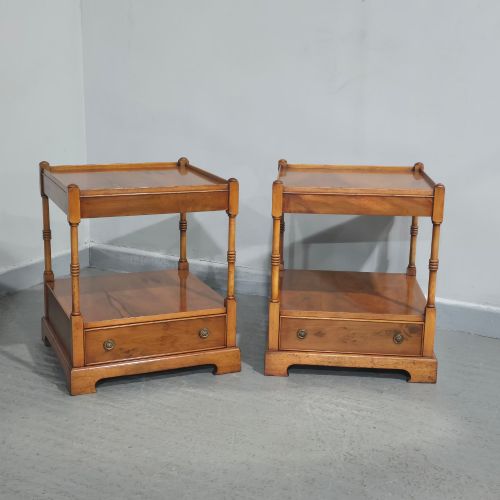
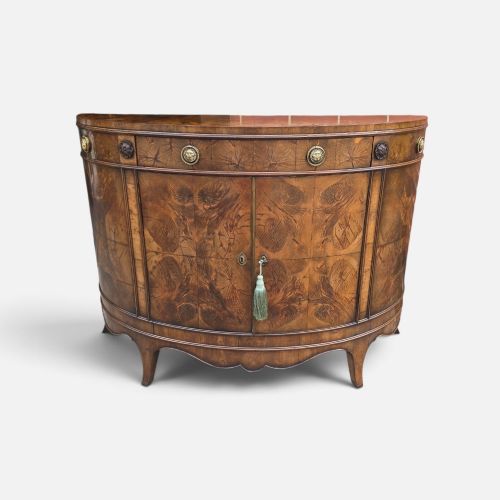
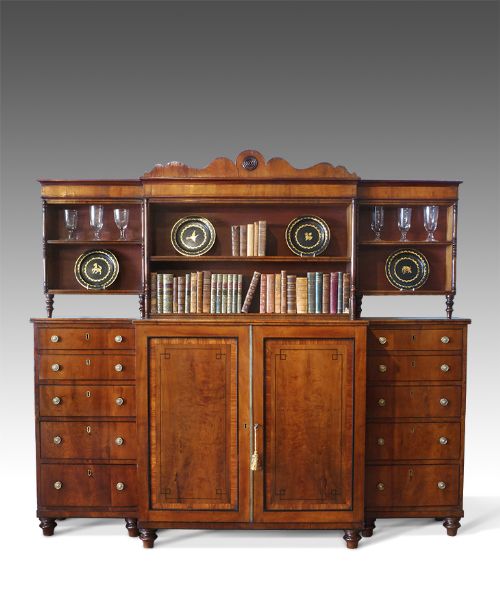
These antique yew cabinet pieces bring rich timber figures and traditional craftsmanship into a room.
Antique Yew Cabinet
When you search for an antique yew cabinet, you encounter a varied group of functional furniture items spanning several centuries. The selection ranges from Georgian corner cupboards and bureau bookcases to Victorian credenzas, side cabinets, and display vitrines.
You are most likely to meet pieces finished in yew wood, burr yew, and occasionally combined with walnut, mahogany, or brass. The forms include standing corner cupboards, demi-lune side cabinets, and chests, reflecting periods from the eighteenth century through the Edwardian era and the 1920s.
The regional origins and specific eras dictate the exact silhouette you find. Pieces span Georgian, Regency, Victorian, Aesthetic Movement, and later twentieth-century revivals, showing how cabinetmakers adapted the timber across different stylistic movements.
How they were made
Makers utilised solid yew wood and decorative veneers such as burr yew to create distinct figured surfaces on these cabinets. Secondary timbers like mahogany and walnut appear alongside brass mounts, ormolu, and glass panels.
Construction methods include fine cabinetry techniques for glazed doors, carved details, and parcel gilt highlights. Interior fittings often incorporate shelving, drawers, and writing surfaces suited to the specific function of each piece.
Antique Yew Cabinet Retail Price Guide 2026
Typical asking prices for yew cabinet among the pieces listed under this phrase on Sellingantiques today, from the lower quarter to the upper quarter. They describe what is for sale here now, not the wider market.
One bijouterie display table carries later sign-writing intended for Breitling watches.
What varies in quality
The distinction between tiers rests upon the choice of timber and the complexity of the figuring within the yew wood. Burr yew veneers with deep, active grain patterns command greater attention than plainer boards.
Execution of decorative details such as brass binding, parcel gilding, and inlay work separates standard examples from exceptional ones. The integration of quality hardware and balanced proportions indicates superior workshop production.
S Jamar·Gill and Reigate
The Antique Yew Cabinet Glossary
- Burr yew
- A growth on a yew tree that produces highly figured, swirling wood grain patterns. Cabinetmakers sliced these growths into veneers for decorative cabinet fronts.
- Demi-lune
- A half-moon shape used for the plan of certain side cabinets and commodes. This curved design fits flat against a wall.
- Vitrine
- A glass-fronted display cabinet designed for showing porcelain, books, or curiosities. These pieces often feature glazed doors and delicate framing.
- Credenza
- A low-standing side cabinet, frequently associated with Victorian interiors. They often incorporate display space alongside enclosed cupboards.
- Bureau bookcase
- A dual-purpose piece combining a sloping desk flap for writing with shelving above. The lower section typically contains drawers or pigeonholes.
Antique Yew Cabinet: Frequently Asked Questions
What periods do these cabinets cover?
The evidence shows examples dating from the eighteenth century, including the Georgian and Regency periods. Later pieces extend through the Victorian era, the Aesthetic Movement, and into the early twentieth century up to the 1930s.
Design styles shifted across these eras, moving from formal Georgian and Regency lines to elaborate Victorian inlay and early twentieth-century revivals.
What materials are used?
Yew wood and burr yew form the primary timber choice across the selection. Secondary materials include walnut, mahogany, glass, brass mounts, ormolu, velvet, and parcel gilding.
Cabinetmakers selected these materials to highlight the natural grain patterns of the timber while adding structural and decorative contrast.
How do corner cabinets differ?
Corner cabinets are designed to fit directly into the corner of a room to maximise space. They appear in both hanging wall formats and standing floor versions with glazed or solid doors.
Georgian examples frequently utilise standing configurations with panelled or glazed doors to display interior shelving.
Where were these pieces made?
The listings include English and Scottish pieces, reflecting regional cabinetmaking traditions. Specific attributions point to workshops operating in London.
Regional differences appear in timber selection, such as the use of Scottish yew in specific writing and storage desks.