


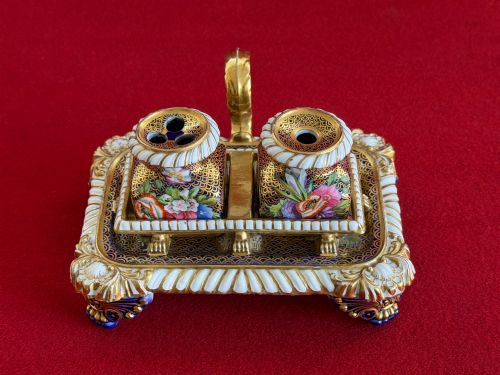
Antique Writing Stand
An antique writing stand provides a dedicated space for correspondence, bringing tactile character and period craft into a modern room.
Antique Writing Stand
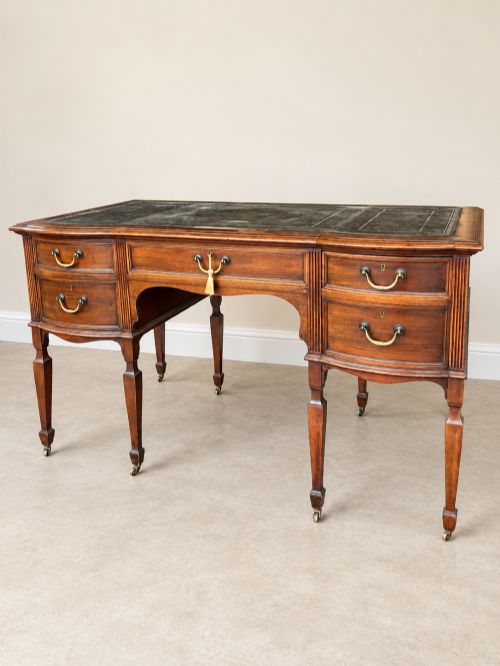
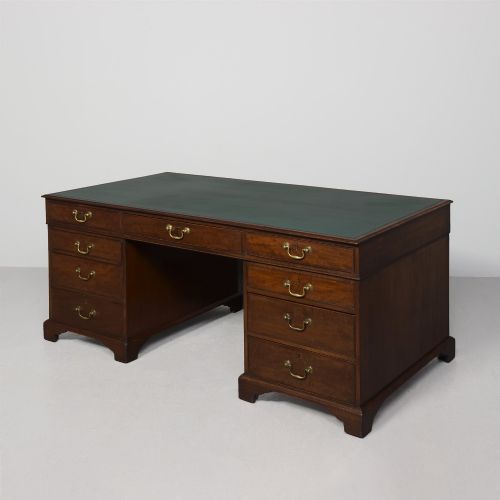
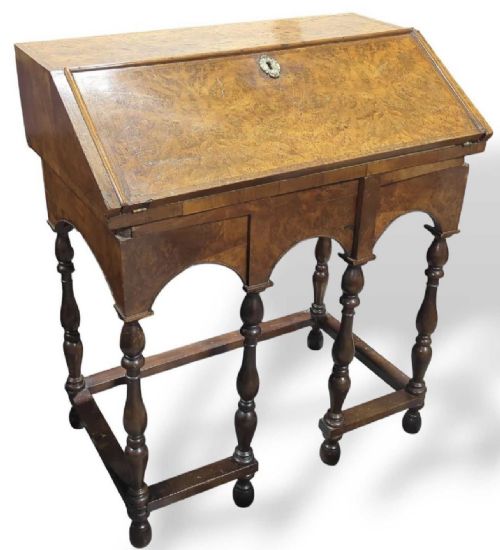
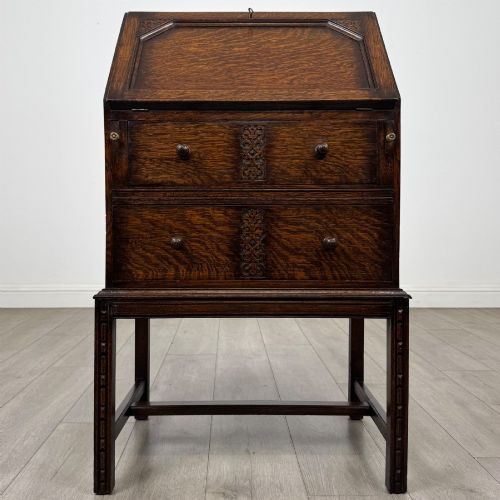
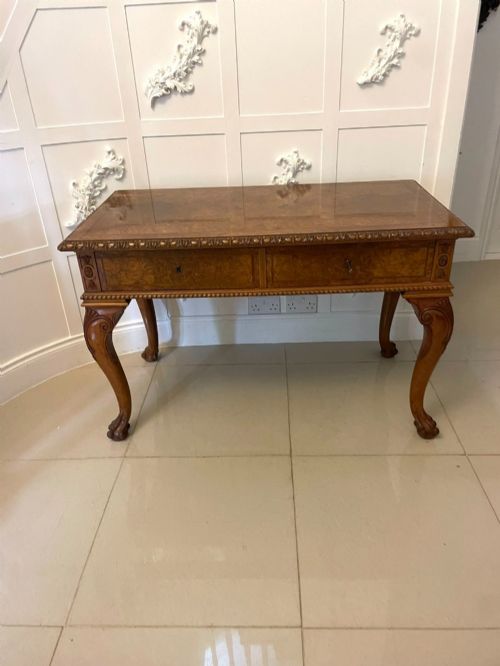
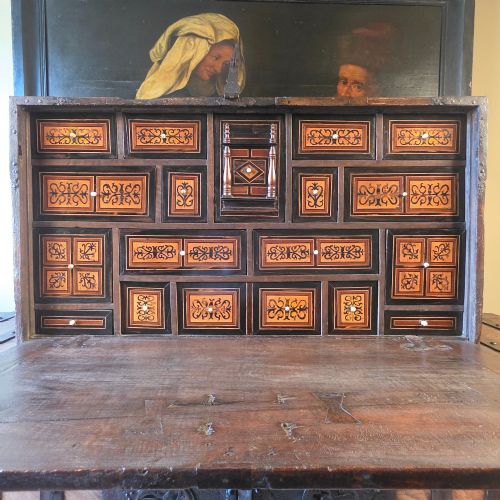
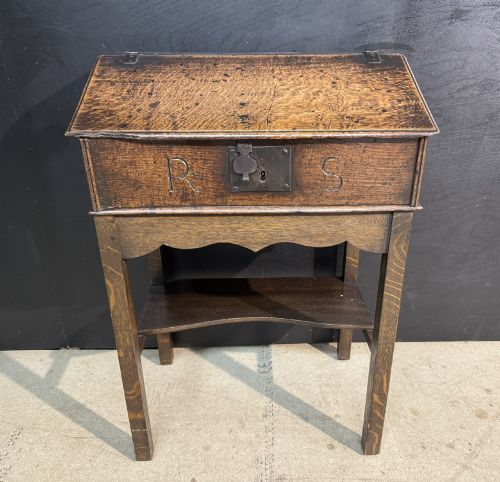
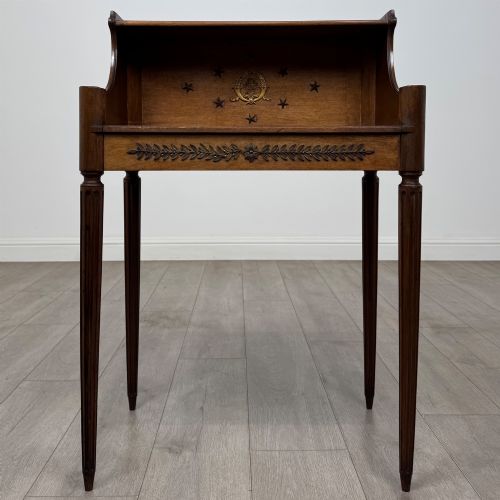
When searching for an antique writing stand, a buyer encounters diverse forms ranging from compact table-top boxes and slope desks on legs to large freestanding library tables and bureau cabinets. The selection spans centuries of domestic correspondence furniture, crossing Georgian, Victorian, and Edwardian eras.
Many examples combine storage for inkwells, pens, and paper with a stable writing surface, often elevated on a dedicated stand or incorporated into a larger console or cabinet. Burr walnut, mahogany, and oak dominate the surviving pieces, reflecting the preferred hardwoods of British and continental makers.
Distinctions in execution and design
Quality reveals itself in the selection of timber veneers, the crispness of inlaid banding, and the precision with which internal compartments and secret drawers operate. Finer examples display meticulous attention to secondary timbers and the retention of original hardware.
Design complexity also marks the upper tier, where freestanding pedestal forms, matched burr walnut figures, and specialised mechanical fittings demonstrate superior workshop ambition compared to simpler clerk desks.
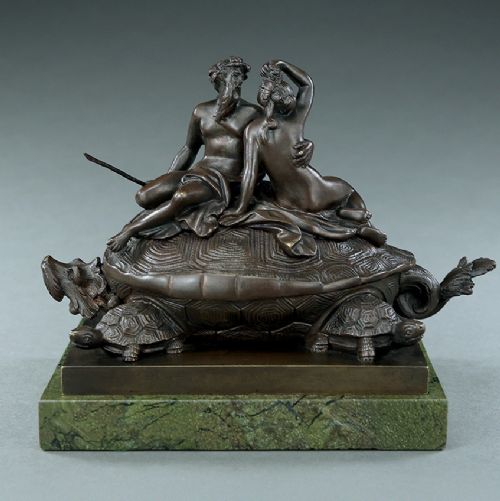
A carved Black Forest owl stares unblinkingly from its perch atop a Victorian inkwell, keeping watch over stray nibs.
Stanley Webb Davies·Maple and Co·Walker and Hall·Horrocks Standard Company·A.Cohen and Co Ltd
The Antique Writing Stand Glossary
- Bureau on stand
- A writing cabinet or sloping desk raised upon legs or an open frame rather than enclosed by a chest of drawers.
- Inkstand
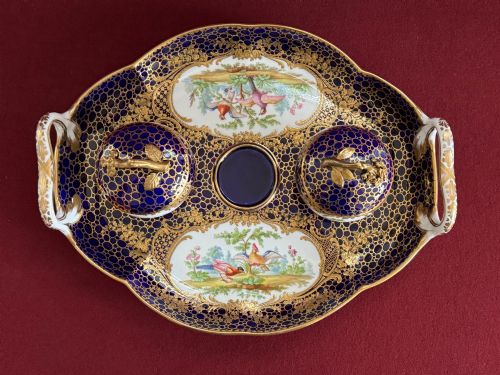
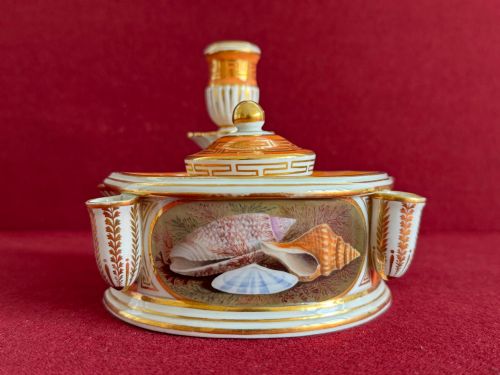
- A portable or stationary tray fitted to hold one or more inkwells, pen rests, and sometimes sanders or wafer boxes.
- Writing slope
- A portable box with a hinged sloping lid that opens to reveal a writing surface and internal stationery compartments.
- Bargueño
- A type of cabinet on stand originating in Spain, featuring a drop-front writing flap and an arrangement of small internal drawers.
- Bonheur du jour
- A light lady's writing desk featuring a small superstructure of shelves and drawers above the main writing surface.
- Coromandel
- A dense, heavily figured East Asian timber similar to calamander, prized by Victorian cabinet makers for luxury boxes and desk accessories.
Antique Writing Stand: Frequently Asked Questions
What is an antique writing stand?
An antique writing stand is a piece of furniture designed specifically for writing letters, holding inkwells, and storing paper.
These pieces range from small table-top boxes on frames to substantial freestanding tables created during the Georgian and Victorian eras.
How were antique writing stands used?
They served as dedicated household hubs for managing personal correspondence, bookkeeping, and organising stationery before the digital age.
Owners kept their ink, pens, and private papers securely stored within the fitted drawers and compartments of the stand.
How do I style a writing stand at home?
A writing stand works well as a focal point in a study, living room, or hallway, functioning either as a display surface or a practical desk.
Keeping the writing flap clear or pairing it with a simple chair allows the historical timber grain and brass details to stand out.
How do I identify the period of a desk?
Period identification relies on observing the primary woods, construction techniques, and decorative styles such as Georgian mahogany or Victorian walnut.
Secondary timbers, drawer construction methods, and hardware styles also offer clear clues to whether a piece dates to the 17th, 18th, or 19th century.