





Antique Woven Fabric
These antique woven fabric pieces are historical textiles and panels that bring rich texture and authentic craftsmanship into an interior.
Antique Woven Fabric
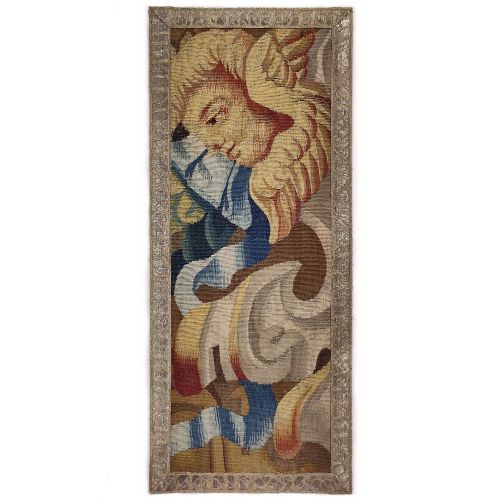
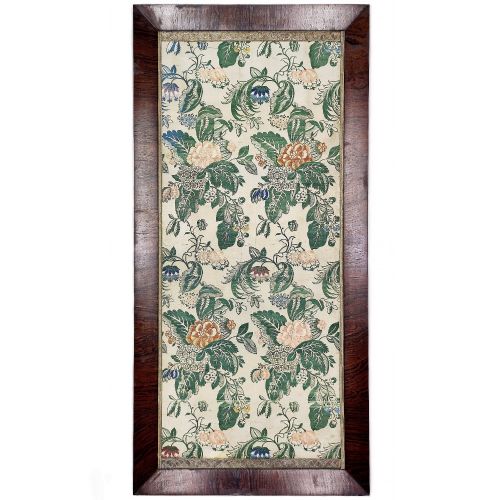
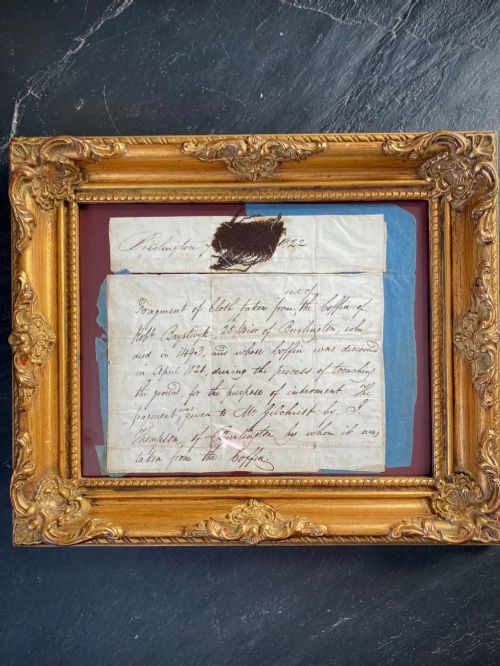
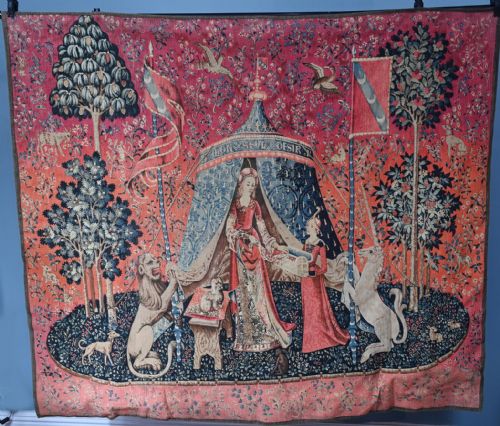
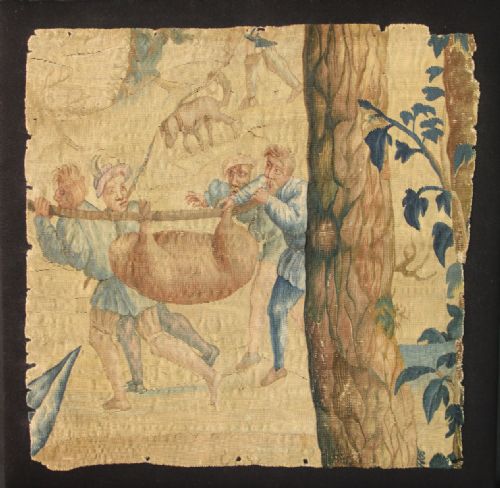
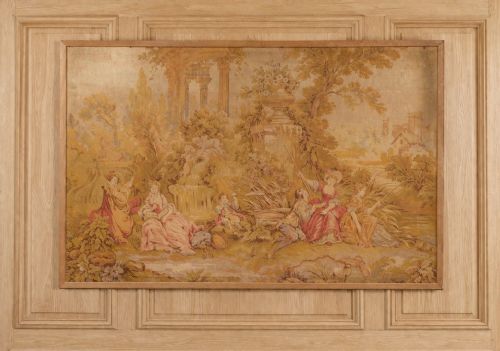
When you search for antique woven fabric, you encounter a diverse selection of historical textiles spanning multiple centuries and regions. The pieces range from French silk and Flemish tapestry panels to tribal rugs, cushions, and framed wall hangings.
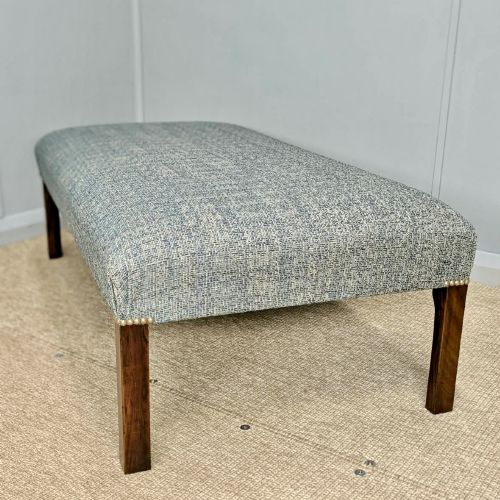
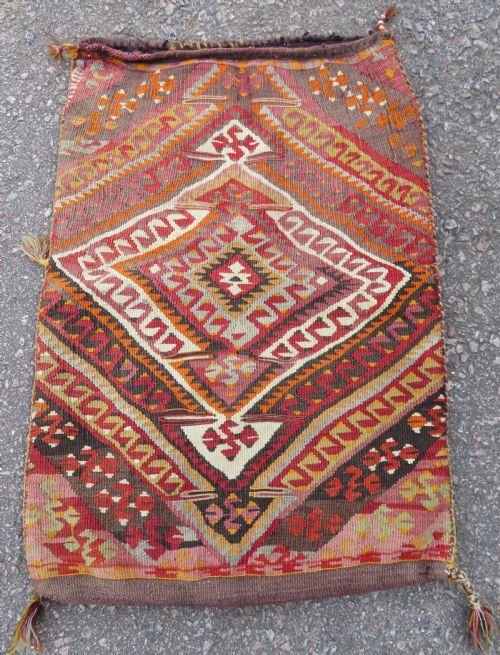
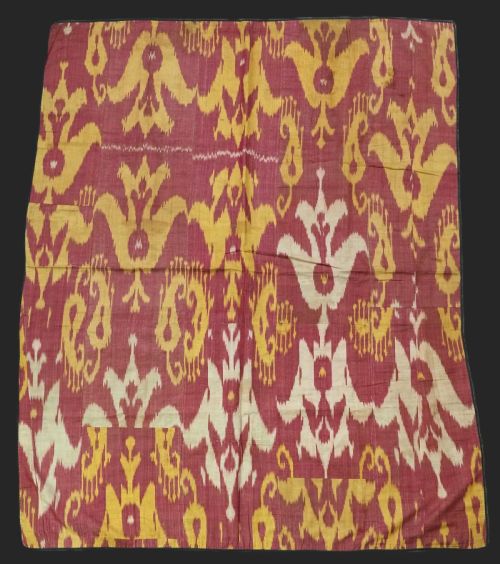
The selection includes specific forms such as Sumba ikat hinggi lengths, Uzbek semi silk adras panels, and Persian tribal grain sacks like kilims and tachehs. Furniture items upholstered in antique textiles, including armchairs and footstools, also appear.
Earlier centuries are represented by medieval and sixteenth to eighteenth-century works, while later examples extend through the nineteenth and early twentieth centuries. These materials served functional, decorative, and ceremonial purposes in their original contexts.
How they were made
The listings record a primary reliance on natural textiles such as silk, wool, cotton, and velvet. Artisans utilised traditional hand weaving techniques, including lampas weaving and tapestry construction, to build intricate patterns.
Support materials like wood and brass appear where these woven fabrics are integrated into framed panels or furniture pieces. The combination of durable wool or dense silk with careful hand assembly accounts for the survival of these textiles over centuries.
Antique Woven Fabric Retail Price Guide 2026
Typical asking prices for woven fabric among the pieces listed under this phrase on Sellingantiques today, from the lower quarter to the upper quarter. They describe what is for sale here now, not the wider market.
Listings feature textiles from the sixteenth century through the 1930s, utilising silk, wool, cotton, and velvet.
What varies in quality
Quality rests in the intricacy of the weave, the preservation of the material fibres, and the clarity of the design. Pieces utilising fine silk or complex pictorial tapestry work demonstrate superior artisan skill compared to simpler utilitarian sacks.
The integrity of the fabric structure and the survival of original borders or panels dictate the overall character of the piece. Age alone matters less than the skill of the original execution and the stability of the remaining textile.
The Antique Woven Fabric Glossary
- Lampas
- A complex weave featuring a pattern-weft supported by a ground weave, often seen in eighteenth-century silk pieces. This technique creates a rich, textured surface.
- Ikat
- A dyeing method where yarns are patterned before being woven into fabrics like Sumba hinggi or Uzbek adras panels. The resulting design exhibits characteristic blurred edges.
- Tapestry
- A form of heavy hand-woven textile used mainly for wall hangings, featuring pictorial designs built from multiple coloured weft threads. Early examples often depict historic or allegorical scenes.
- Kilim
- A flat-woven carpet or sack produced by nomadic and tribal groups across Turkey and Persia. These items served practical storage functions before becoming decorative objects.
- Ciséle velvet
- A velvet technique where the pile is cut to different heights or left uncut against a satin ground to form a pattern. This method produces subtle textural contrast.
Antique Woven Fabric: Frequently Asked Questions
How do I care for antique woven fabric?
Keep textiles away from direct sunlight to prevent fading of delicate silk and wool fibres. Minimise handling and mount wall hangings securely to avoid placing strain on the aged material.
Avoid using water or chemical cleaners on historic fabrics. Consult a textile conservator if cleaning becomes necessary.
Can I use these textiles as wall art?
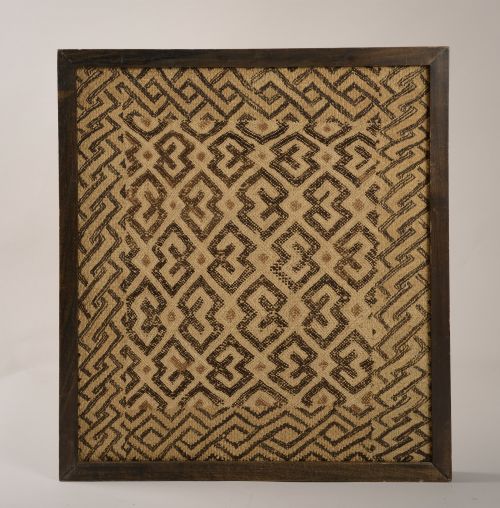
Many of these pieces, such as the framed tapestry panels and fabric lengths, are well suited for display on walls. Hanging them distributes the weight evenly across the structure.
Ensure that proper mounting techniques are employed to protect the antique material from tearing or sagging over time.
What is the difference between a kilim and a tacheh?
A kilim generally refers to a flat-woven rug or textile used for floor coverings or broad decoration. A tacheh or grain sack is a specific tribal storage bag woven for utilitarian transport.
Both items showcase traditional tribal patterns, but their original functions in daily life dictated their size and shape.
How do I identify eighteenth-century silk?
Eighteenth-century silk pieces often display characteristic techniques such as lampas or ciselé velvet construction. The density of the weave and the specific colour palettes offer clues to the period.
Comparing the weave structure with documented examples from the same era helps confirm the age of the fabric.