





Antique Worcester Statue
An antique worcester statue brings cabinet-level presence into a room, capturing Victorian and Edwardian figures with remarkable fidelity.
Antique Worcester Statue
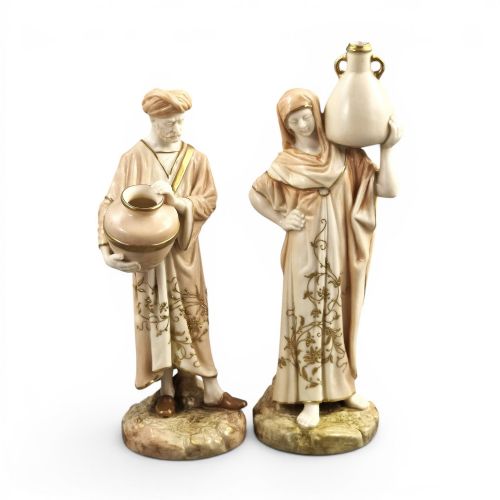
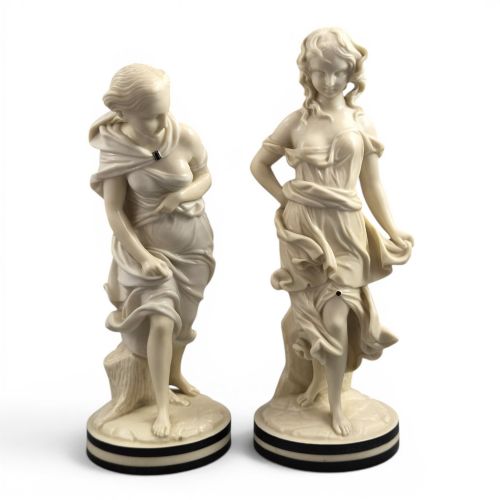
When you search for an antique worcester statue, you encounter porcelain and parian figures spanning the Victorian, Edwardian, and Art Deco periods. These pieces range from classical maidens and historical characters to orientalist water carriers and musicians modelled by notable sculptors like James Hadley.
The selections on this page demonstrate the remarkable breadth of the factory's figural output, moving from mid-nineteenth-century Kerr and Binns productions through to twentieth-century models. You find both monumental pairs and delicate single figurines depicting subjects from classical antiquity to contemporary eastern scenes.
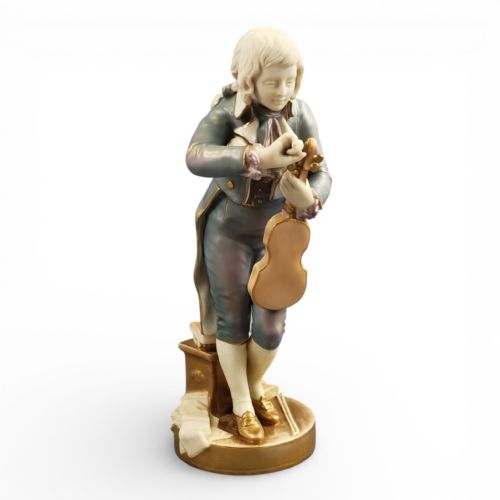
Moulded figures and hand-finished sculptures dominate the listings, showing the factory's versatility across multiple decades of production. The forms vary from solitary subjects like the young Mozart and bonneted ladies to complex groups such as Egyptian musicians.
Materials and methods of manufacture
Makers utilised fine porcelain and parian ware, an unglazed ceramic designed to imitate marble, creating matte surfaces suited to classical subjects. Biscuit porcelain and parian porcelain provide a smooth texture that captures subtle facial expressions and drapery folds.
Decoration frequently incorporates enamel, gilt, gold leaf, and specialised finishes such as blush ivory and shot enamel. Patent metallic and tinted glazes add complex colour gradients to garments and accessories, setting certain decorative lines apart.
Nineteenth-century makers occasionally sculpted satyrs and snake charmers, proving Victorian drawing rooms held room for the delightfully wild.
What distinguishes the best pieces
Surface finishes dictate the visual impact, with complex applications of shot enamel, blush ivory, and gilt elevating standard utilitarian figures into high art. The presence of clear model numbers and factory ciphers anchors the provenance and confirms the period of execution.
James Hadley·Kerr and Binns
The Antique Worcester Statue Glossary
- Parian ware
- A fine unglazed biscuit porcelain developed in the nineteenth century to imitate carved marble. It allows sculptural details to remain sharp without the distraction of a glossy glaze.
- Blush ivory
- A signature creamy matte porcelain ground introduced by the factory in the late nineteenth century. It serves as a soft base for delicate floral and figural hand-tinting.
- Shot enamel
- A specialised multi-toned enamel technique that shifts in colour depending on the light angle. It creates iridescent garments on late Victorian and Edwardian figures.
- Biscuit porcelain
- Fired unglazed ceramic ware valued for its chalky, matte texture. It preserves the exact contours intended by the modeller before any enamelling occurs.
Antique Worcester Statue: Frequently Asked Questions
How do I identify periods?
Dating relies on factory marks, style indicators, and specific ceramic bodies like parian ware or blush ivory. Victorian examples often lean towards classical revival or orientalist themes, while Edwardian pieces introduce softer palettes and different modelling styles.
Model numbers inscribed into the bases help cross-reference production dates and designer attributions. Comparing the finish, whether shot enamel or standard tinting, narrows the decade of manufacture.
How were these figures used?
Victorian and Edwardian households displayed these sculptures on mantelpieces, pedestals, and side tables as conversation pieces. They reflected the owner's cultural interests, embracing classical antiquity, literature, and global exploration.
Larger pairs were often positioned symmetrically on furniture surfaces, while single figurines highlighted specific character studies. Their purpose was purely decorative, signalling refinement and artistic appreciation in formal interiors.
How do I care for these statues?
Maintenance requires gentle dusting with a soft, dry brush to prevent particulate accumulation on matte parian or blush ivory surfaces. Avoid using liquids or chemical cleaners, as moisture can damage delicate enamel work and exposed biscuit porcelain.
Display the figures away from direct sunlight and areas of high foot traffic to prevent accidental knocks. Stable environmental conditions protect the structural integrity of older ceramic bodies and gilt highlights.