


Antique Woolwork Picture
An antique woolwork picture brings tactile warmth and domestic narrative to a wall, combining needlework skill with historical storytelling.
Identifying your antique woolwork picture
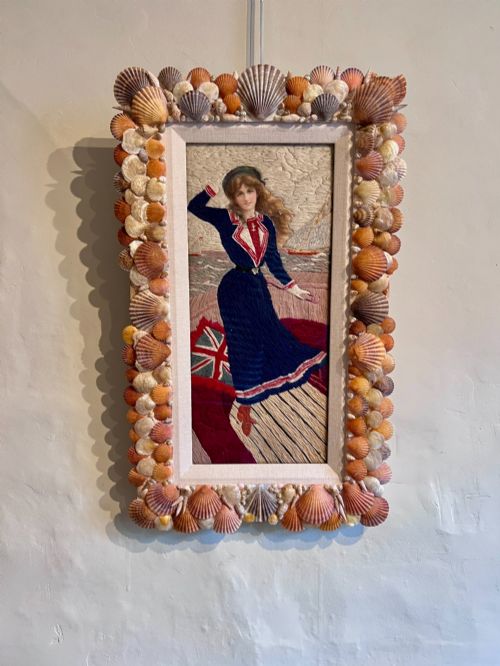
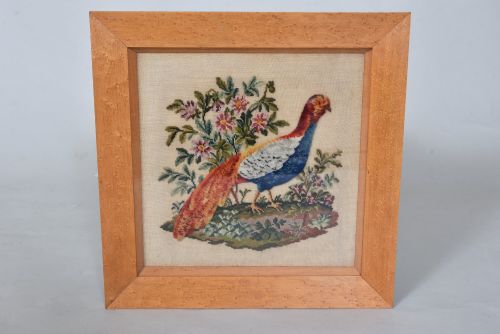
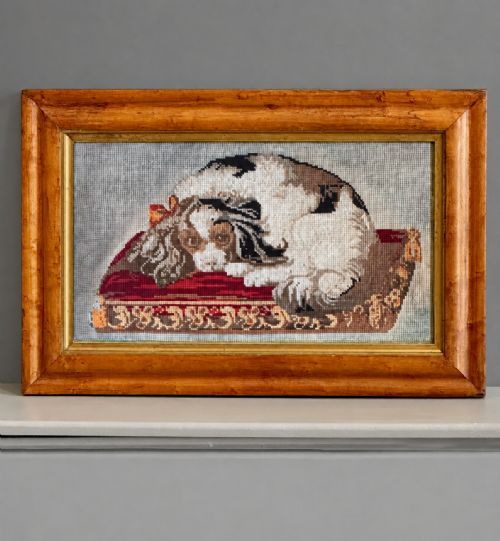
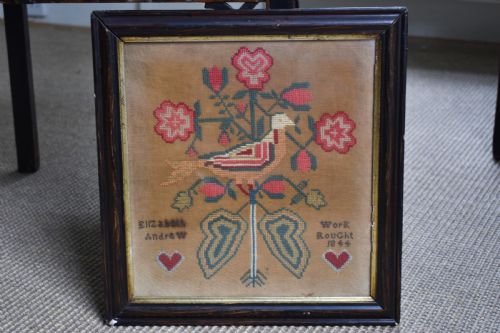
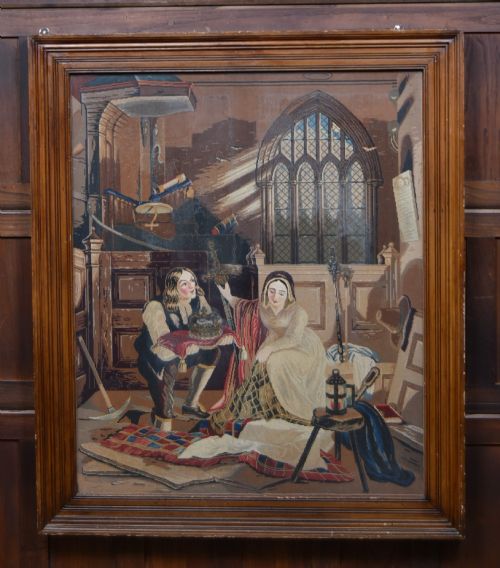
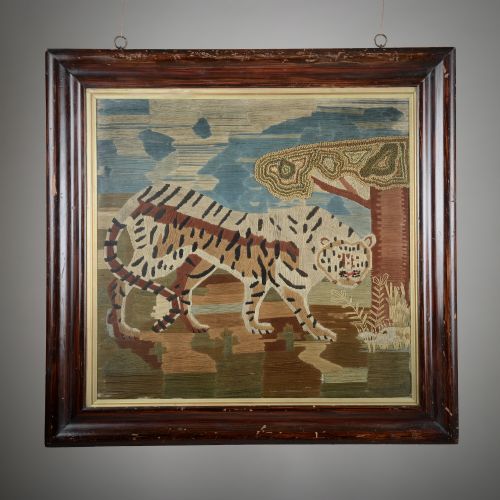
When you search for an antique woolwork picture, you find textile art created across the nineteenth century, including the Victorian period and around nineteen hundred. These pieces encompass framed artwork and wall art rendered in wool, felt, and silk upon a canvas foundation.
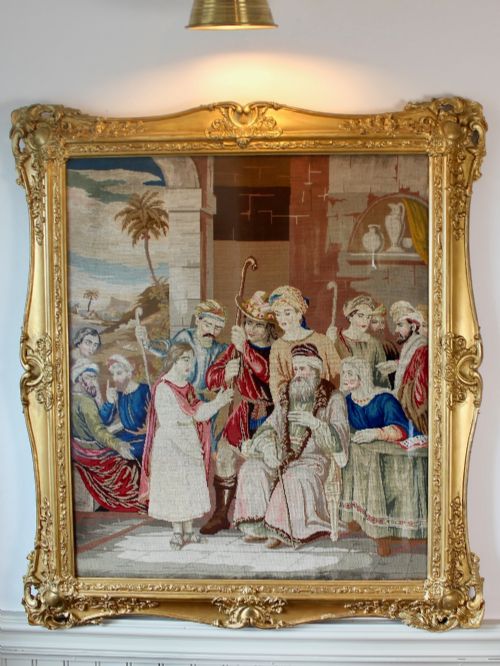
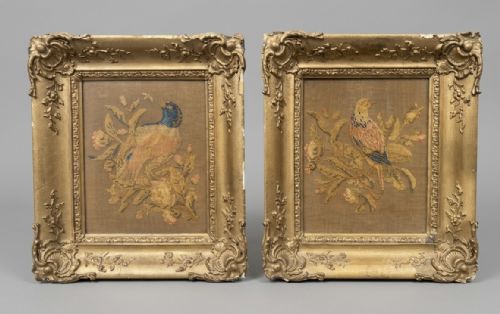
The most frequent examples on this page include nineteenth-century sailor woolies, commemorative military pieces, and pastoral scenes adapted from famous artists like Constable. You will also encounter Continental needlepoint panels and medieval-style tapestries framed in maple, giltwood, gilded wood, or original oak.
Materials and construction
Maker construction relies primarily on wool, silk, and felt stitched onto a supportive canvas ground. These textiles are then secured within period wooden surrounds such as maple, giltwood, or oak frames, often protected behind glass.
Techniques range from fine needlepoint and Continental stitch work to raised woolwork embroidery, creating textured surfaces that define figures, landscapes, and military subjects.
Retail Price Guide 2026
Typical UK retail prices for woolwork picture, calculated from the Sellingantiques database of over a million retail prices indexed since 2003. This retail price guide relies exclusively on Sellingantiques data; no external sources or auction records are used, so the figures do not describe the wider market.
Sailors spent long months at sea stitching woolies, occasionally using strands pulled from uniforms when supplies ran low.
Judging quality and execution
Quality in these textiles rests upon the fineness of the stitching and the complexity of the design, distinguishing simple amateur output from accomplished professional execution. The ambition of the subject matter, whether a detailed military commemorative or a faithful translation of a Constable painting, elevates the piece.
The integrity of the surrounding frame also influences the overall standard, with original oak, giltwood, or maple surrounds preserving the historic character of the textile far better than later replacements.
The Antique Woolwork Picture Glossary
- Woolie
- A traditional embroidery created by nineteenth-century sailors, typically depicting ships and maritime scenes using various wool threads. These works offer a direct link to maritime folk art.
- Needlepoint
- A form of canvas work where yarn is stitched through a mesh grid to cover the foundation entirely. It allows for dense colour blending and pictorial depth.
- Giltwood
- Wood carved and coated with a thin layer of gold leaf, frequently utilised for nineteenth-century picture frames. This finish adds a reflective border to the textile within.
- Tapestry
- A form of textile art traditionally woven on a loom, though the term also describes needlework panels mimicking historical woven hangings. Medieval-style examples emulate earlier Gothic aesthetics.
Frequently Asked Questions
What is a woolie?
A woolie is a specific type of nineteenth-century embroidery created by sailors, often depicting naval vessels and maritime scenes.
These pieces utilise various wool yarns on canvas, reflecting the maritime heritage and handcraft skills of sailors at sea.
How should I hang my textile art?
Keep textile art away from direct sunlight to prevent the wool and silk threads from fading over time.
Ensure the room maintains stable humidity levels to protect both the fabric and the original wood or giltwood frame.
Are these works dated accurately?
Dating relies on stylistic evidence, frame construction, and materials typical of the nineteenth century and Victorian eras.
Exact years are rarely stitched into the work, so periods are attributed through comparative analysis of subject matter and technique.
What subjects do these pictures feature?
Subjects range from military commemoratives, such as artillery batteries, to rural landscapes and maritime shipping.
Other examples include Continental needlepoint panels and medieval-style tapestries reflecting historic revival tastes.