



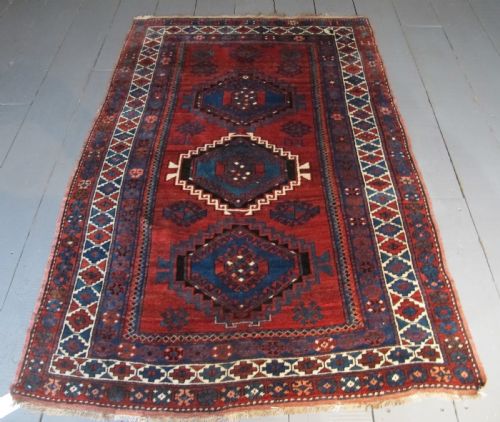
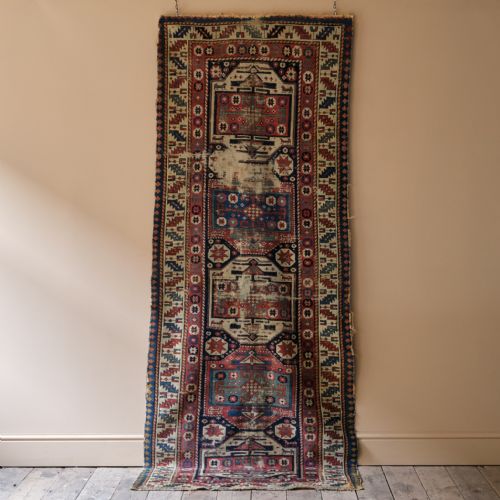


Antique Wool Kazak
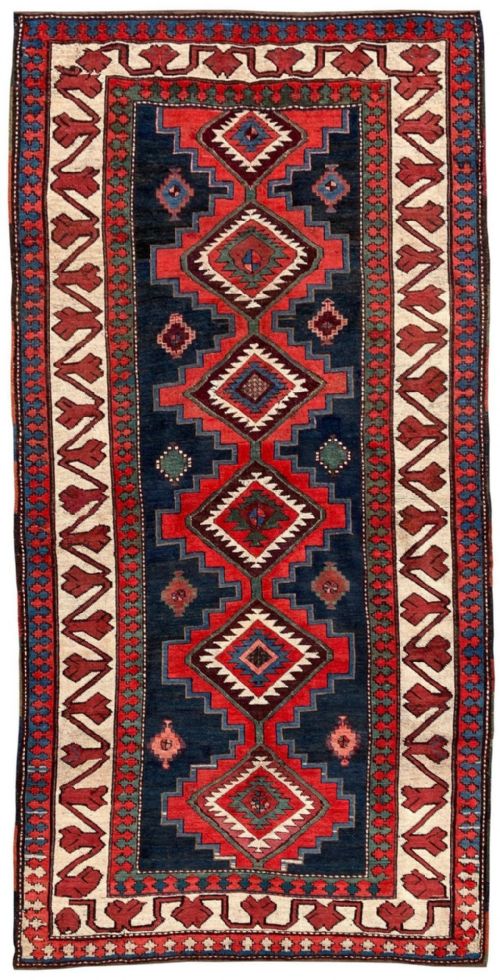
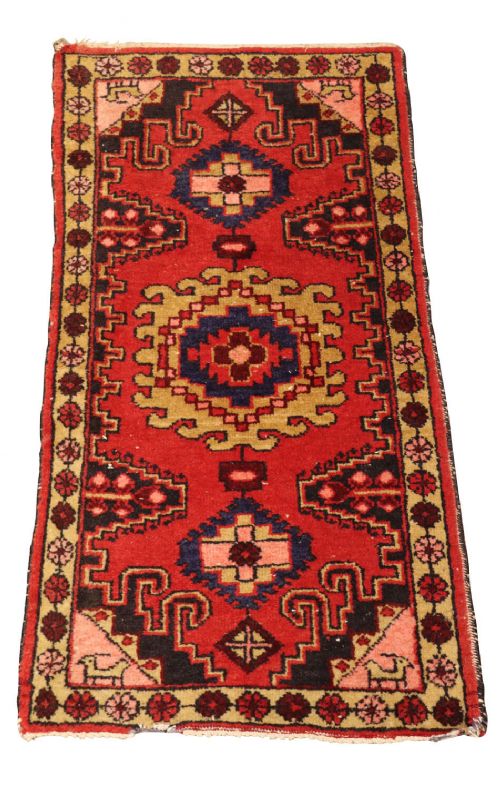
An antique wool kazak brings bold geometric design and saturated natural dyes straight from nineteenth-century Caucasian weaving traditions into a modern room.
Antique Wool Kazak
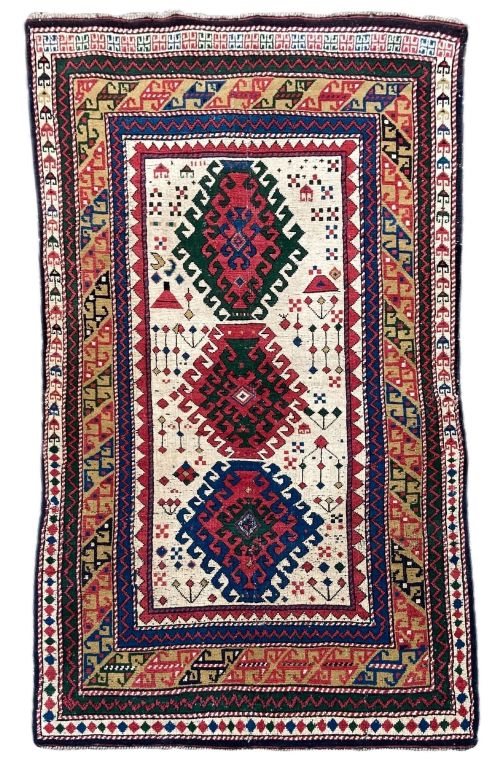
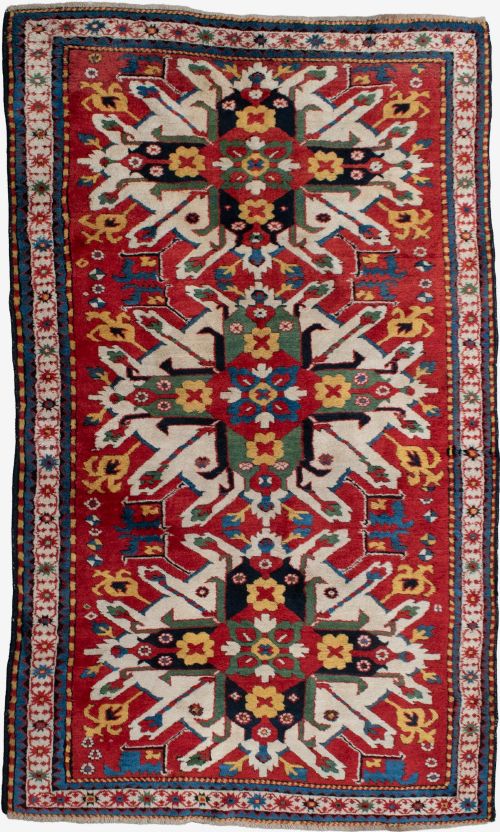
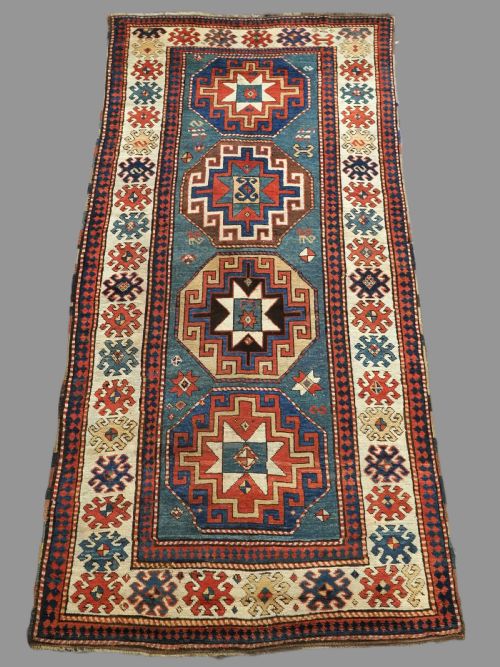
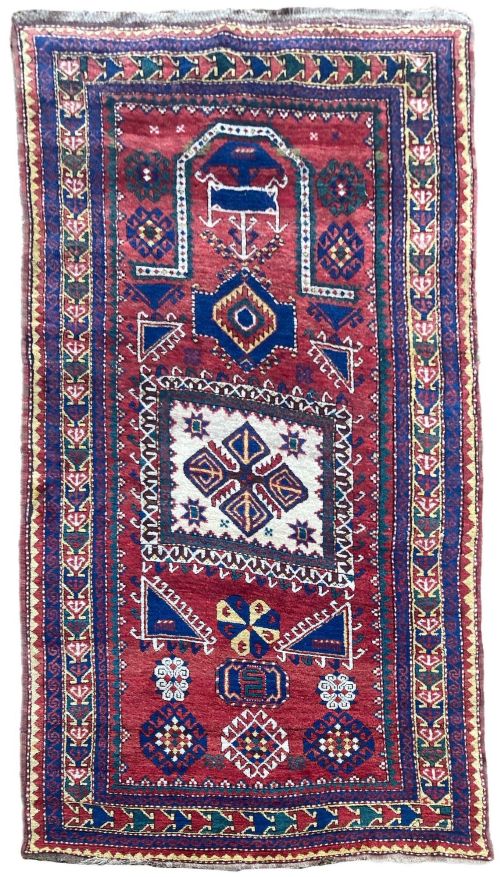
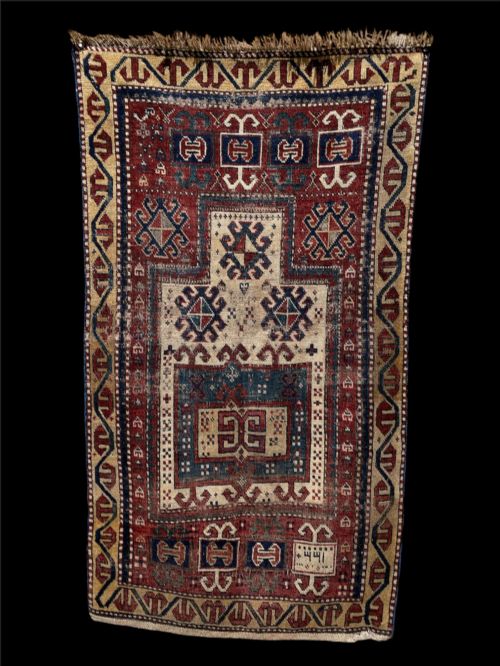
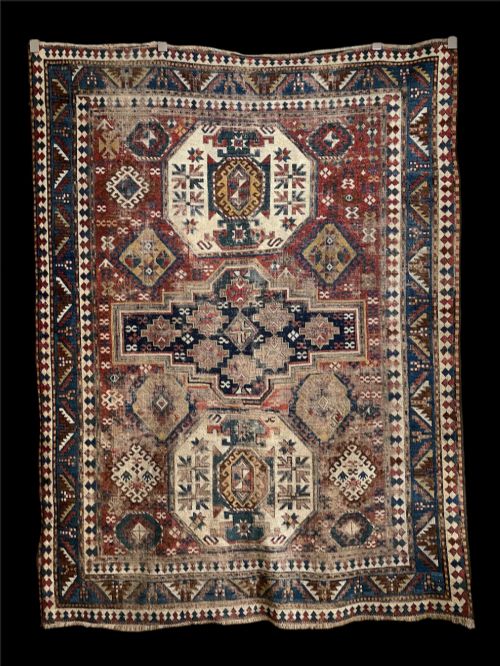
An antique wool kazak represents tribal and village weaving from the Caucasus region, spanning areas such as Sewan, Fachralo, Borchalu, Karachov, and Gendje. These pieces function as floor coverings, wall hangings, or specific prayer rugs designed with characteristic geometric medallions and animal motifs.
Buyers browsing this selection encounter formats ranging from square prayer rugs and long runners to compact area formats produced across the nineteenth and early twentieth centuries. The typical format relies on sturdy wool foundations decorated with powerful primary colours and stark graphic symbols.
Village weavers constructed these floor coverings for domestic utility rather than court display, resulting in honest, robust objects that reflect local cultural identifiers. Each specimen operates as a distinct regional expression rooted in centuries of nomadic and settled Caucasian heritage.
How They Were Made
Weavers utilised hand-spun wool for the pile and structured the foundations using durable cotton or wool threads knotted by hand. This combination created dense, resilient textiles capable of enduring generations of daily friction.
The distinctive palette relies entirely upon natural dyes extracted from regional plants and minerals, yielding deep greens, blues, reds, and soft neutrals that mellow gracefully over time. These organic colourants bond deeply with the wool fibres, preventing harsh fading and retaining a rich warmth.
Independent workshops and domestic weavers tied symmetrical or asymmetrical knots across vertical looms, building up geometric lattices, hooked medallions, and boteh motifs without rigid pre-printed paper patterns.
Antique Wool Kazak Retail Price Guide 2026
Typical asking prices for wool kazak among the pieces listed under this phrase on Sellingantiques today, from the lower quarter to the upper quarter. They describe what is for sale here now, not the wider market.
Current listings feature pieces dated from 1850 through 1930, utilising natural dyes, cotton, and hand-spun wool across various runner and rug formats.
What Varies in Quality
Quality rests upon the crispness of the drawing and the clarity of the primary motifs, where master weavers achieved precise geometric alignment. Lesser examples display cramped proportions or erratic spacing within the central medallions.
The depth and saturation of the natural dyes dictate visual success, distinguishing vibrant, complex colour relationships from dull or muddy palettes. Superior pieces exhibit a luminous quality arising from varied wool batches and skilled dye vats.
The Antique Wool Kazak Glossary
- Kazak
- A term applied to tribal rugs woven in the southern Caucasus mountains, recognised for bold geometric patterns and primary colour schemes. These pieces often feature large central medallions and rectilinear animal or plant motifs.
- Boteh
- A stylised almond or pear-shaped motif of Persian origin that frequently appears across Caucasian runners and village carpets. This ancient symbol represents fertility, cypress trees, or flames.
- Prayer rug
- A specialised format featuring a distinct mihrab or architectural arch at one end, designed to direct the placement of the head during daily devotion. These rugs generally measure in compact sizes suitable for individual use.
- Karachov
- A specific Caucasian weaving sub-type distinguished by a large, square central octagonal medallion flanked by secondary geometric filler ornaments. These rugs typically display strong green or red ground colours.
- Natural dyes
- Organic colourants derived from plants, roots, and insects prior to the introduction of synthetic alternatives in the late nineteenth century. They produce a characteristic abrash effect as tones subtly shift across the wool pile.
Antique Wool Kazak: Frequently Asked Questions
How do I care for an antique wool kazak?
Caring for an antique rug involves regular gentle vacuuming without a rotating beater brush to protect the hand-knotted wool pile. Professional specialist cleaning is recommended every few years to remove deep-seated grit without damaging natural dyes.
Keeping the rug out of direct, harsh sunlight prevents the organic colourants from fading prematurely. Utilising a breathable underlay protects the foundation structure from sliding and wearing against hard floors.
Where were antique kazak rugs made?
These rugs were produced in villages and nomadic settlements across the Caucasus region, encompassing modern-day Armenia, Azerbaijan, and Georgia. Different valleys and towns developed distinct design repertoires, such as Fachralo prayer rugs or Sewan medallion formats.
Local families and tribal groups utilised native sheep wool and local flora to dye and knot these textiles in domestic spaces. The geography directly influenced the specific motifs and structural traits visible today.
How do I tell regional kazak types apart?
Regional types are identified by specific structural layouts, such as the single large octagonal medallion found in Karachov rugs or the mihrab arches on Fachralo prayer formats. Colour grounds, particularly scarce blue or rich green fields, also point toward specific weaving districts.
Examining the border arrangements and secondary filler motifs like hooked polygons helps narrow down the origin. Each Caucasian valley maintained unique tribal traditions that dictate these visual distinctions.