

Antique Wool Art
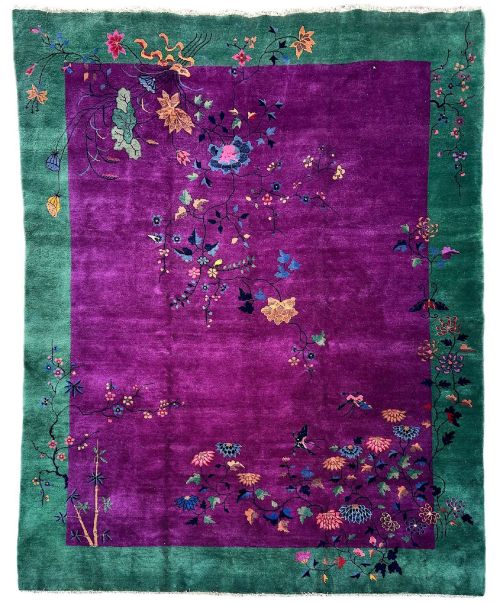
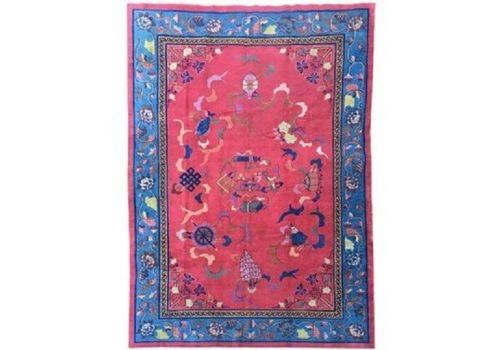
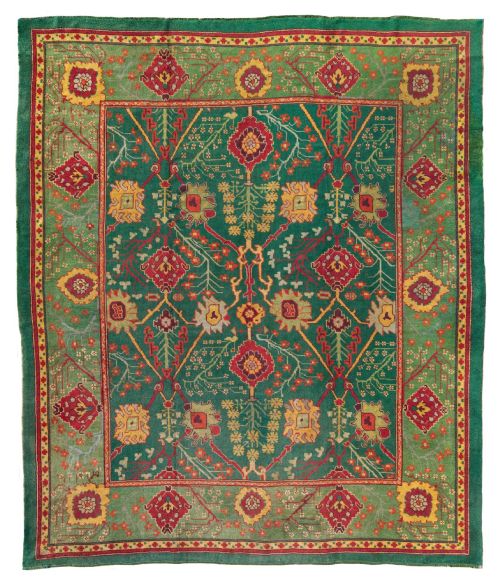
Antique wool art brings together centuries of woven textiles, needlework panels and tribal rugs created to hang upon walls or ornament domestic spaces.
Antique Wool Art
When searching for antique wool art, collectors encounter a diverse selection of wall hangings, framed needlework pictures, tapestries and tribal weavings. The material spans centuries, drawing on traditions from European needlework panels to Central Asian nomadic embroideries.
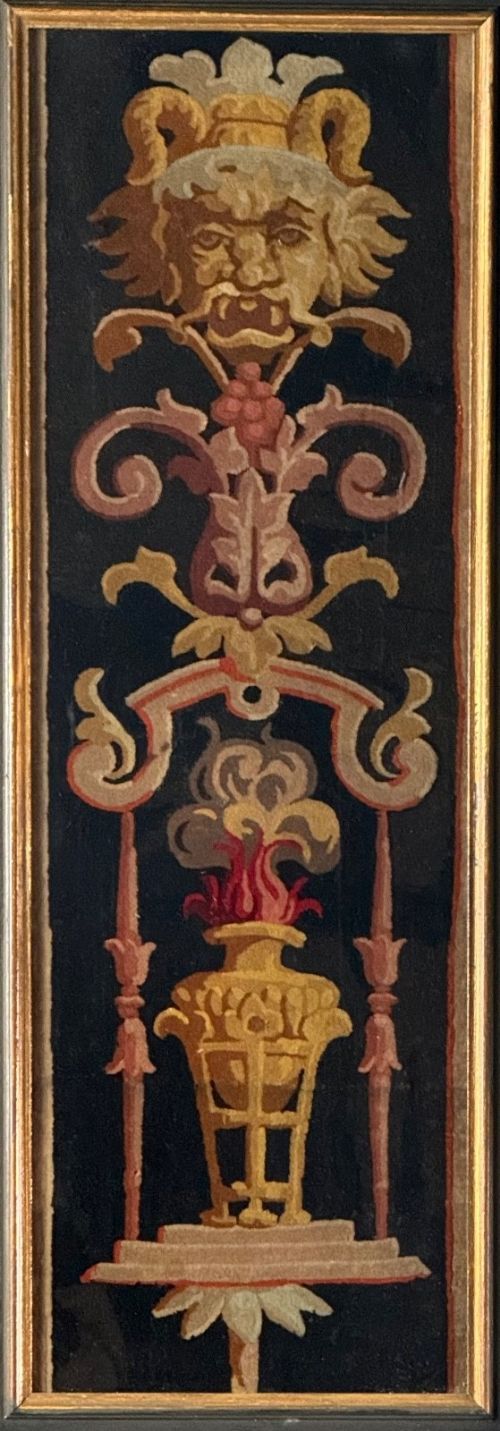
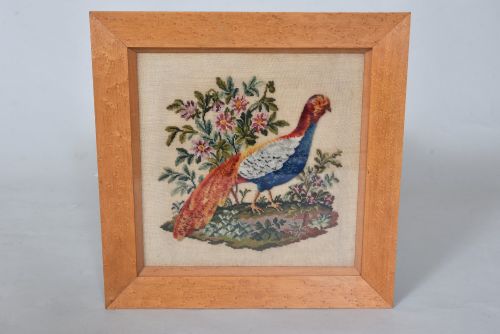
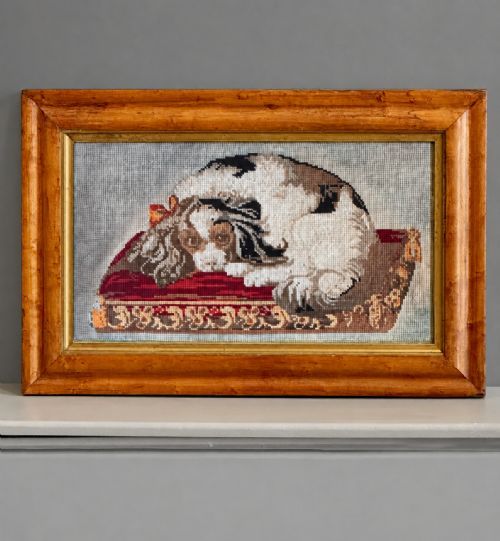
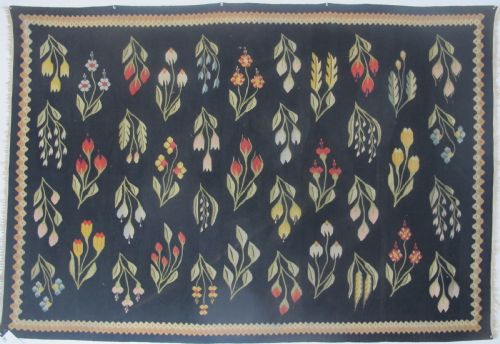
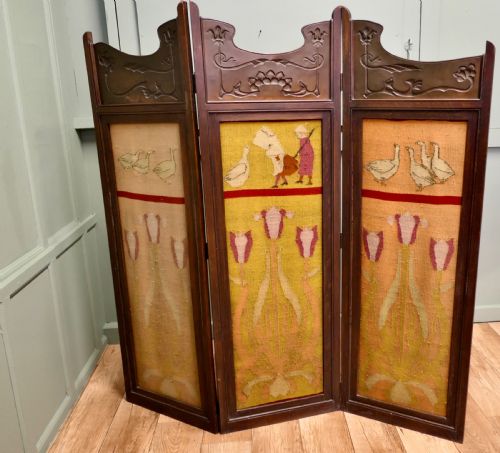
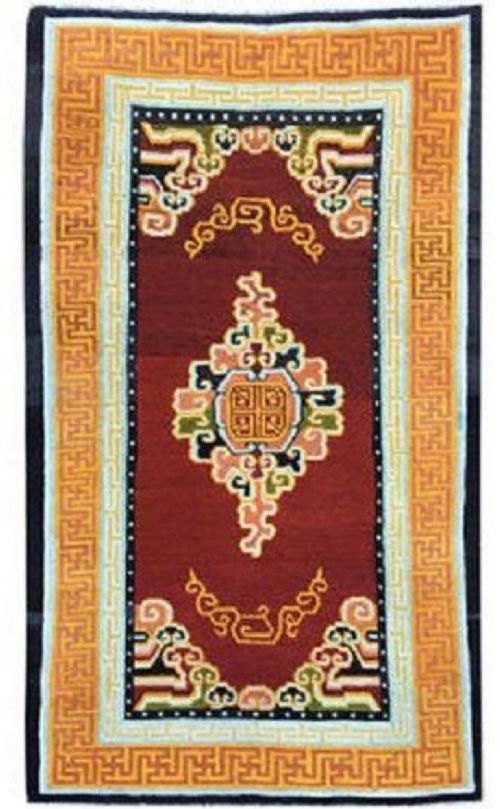
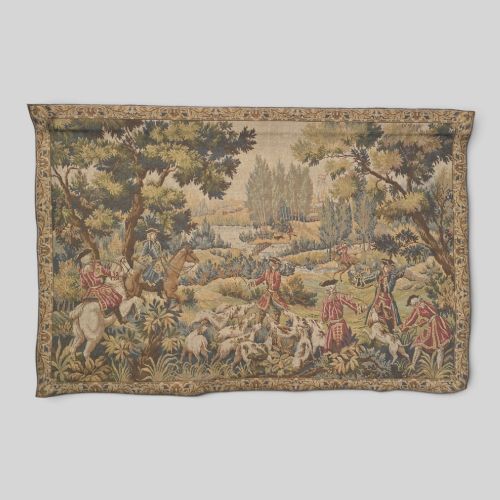
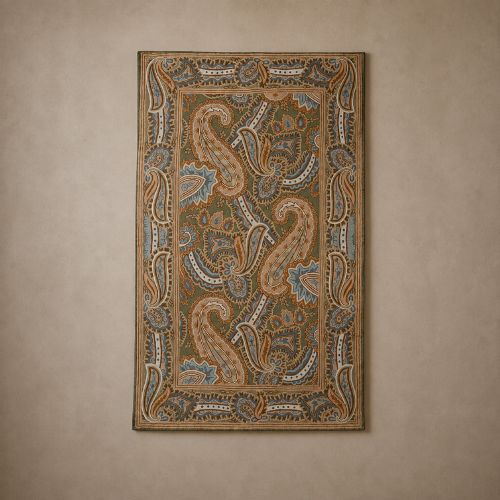
The pieces on this page range from Victorian Berlin woolwork and crewelwork wall hangings to early European verdure tapestries and tribal trappings. Formats vary from small framed samplers to large carpets and French wall coverings.
How they were made
Makers utilised wool yarn combined with supporting grounds of linen, cotton or canvas, often employing natural dyes to achieve deep colour palettes. Needlework items rely on stitches worked over canvas mesh or fabric foundations, whereas tapestries and carpets involve woven structural warps and wefts.
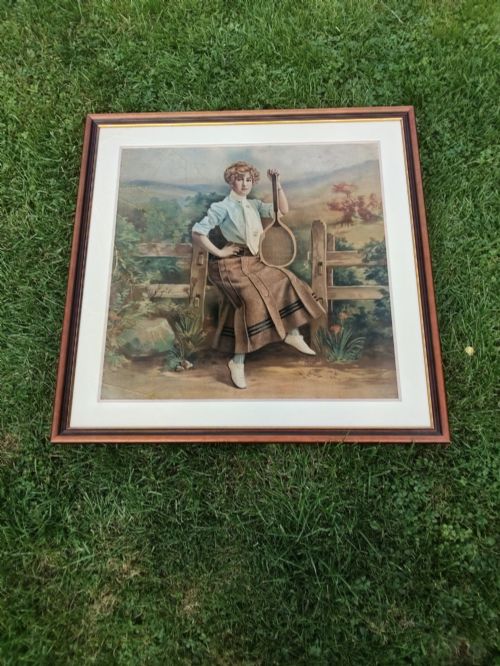
Framed examples frequently incorporate wood and glass to protect delicate textile surfaces, while nomadic pieces rely on durable hand-spun wool structures designed for practical utility and decorative display.
Antique Wool Art Retail Price Guide 2026
Typical asking prices for wool art among the pieces listed under this phrase on Sellingantiques today, from the lower quarter to the upper quarter. They describe what is for sale here now, not the wider market.
The documented geographic origins span European workshops in France and Britain alongside tribal traditions from Persia, Anatolia, China and Central Asia.
What varies in quality
The standard of antique wool art rests upon the precision of the stitching or weaving, the complexity of the design and the preservation of the materials. Finely executed needlework displays tight, uniform tension and subtle tonal shading.
Condition plays a central role in assessing these pieces, particularly the integrity of the wool fibres and the stability of any mounted fabric backing. Items retaining original frames or uncompromised natural dye colours command greater attention from collectors.
The Antique Wool Art Glossary
- Berlin work
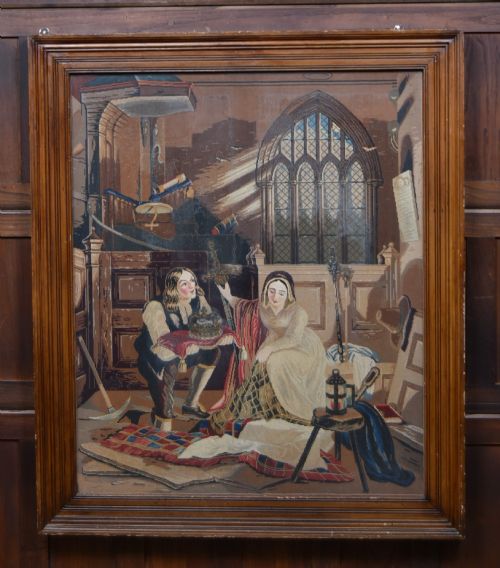
- A popular form of charted needlework executed in wool on canvas during the nineteenth century. It often produced vibrant pictorial scenes and animal portraits.
- Verdure tapestry
- A woven wall hanging featuring lush landscape foliage, trees and often animals or birds. These panels date primarily from the seventeenth and eighteenth centuries.
- Crewelwork
- A type of embroidery using wool yarn to create flowing floral and scroll designs on linen or cotton twill grounds. It appears frequently in large wall hanging panels.
- Asmalyk
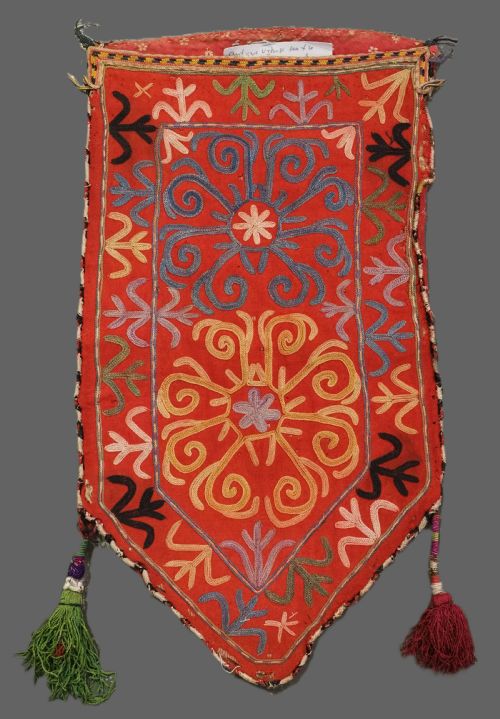
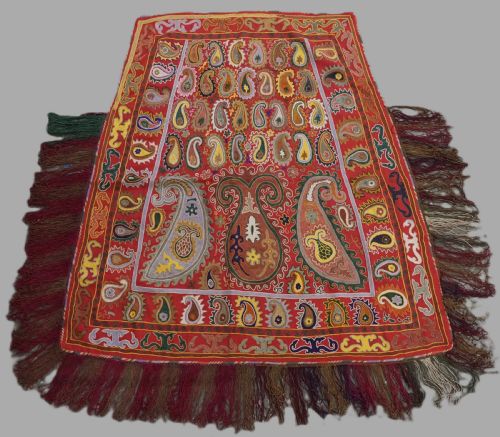
- A pentagonal camel trapping produced by Turkmen tribes, notably the Yomut. They were used to decorate bridal processions and later displayed as wall art.
- Sampler
- A piece of needlework demonstrating various stitches and motifs, traditionally produced to practice embroidery skills. Older examples frequently include alphabets and pictorial elements.
Antique Wool Art: Frequently Asked Questions
How do I hang antique wool art safely?
Textiles require careful weight distribution to prevent distortion along the hanging edge. Using a sleeve sewn to the reverse or mounting the piece within a glazed frame protects the wool fibres from dust and tension.
Direct sunlight causes natural dyes to fade over time. Placing these works away from windows preserves the original colour intensity of the wool.
What is Berlin work?
Berlin work refers to a needlework technique that gained immense popularity in the nineteenth century. Crafters used coloured wool yarn to follow printed grid patterns, creating detailed pictures.
Subjects ranged from domestic animals to biblical and classical scenes. These pieces were frequently mounted into wooden frames or incorporated into household items.
How do I identify nomadic wool art?
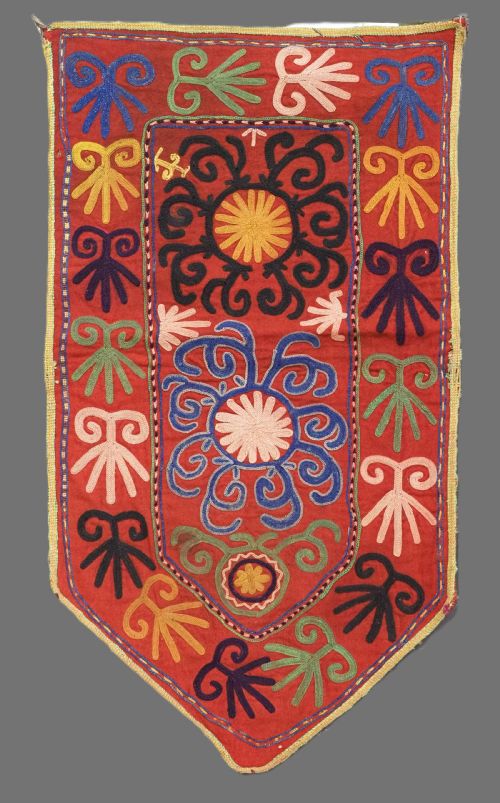
Nomadic weavings and embroideries often originate from regions such as Persia, Central Asia and the Caucasus. They feature tribal motifs, geometric patterns and distinctive animal trappings.
Materials typically include hand-spun wool dyed with natural pigments. Pieces like saddle-bags and dowry hangings reflect the daily lives and cultural traditions of tribes including the Qashqai and Yomut.
How should I clean antique wool art?
Wool textiles tolerate minimal moisture and rough handling. Gentle surface dust removal using a soft brush or low-suction vacuum through a mesh screen is usually sufficient for maintenance.
Professional textile conservators should handle deep cleaning or structural repairs. Standard washing methods risk shrinking the wool and destabilising historical foundations.