
Antique Wooden Wall Mounts
These antique wooden wall mounts combine utility and display, offering solid timber construction and period character for any hallway or living space.
Antique Wooden Wall Mounts
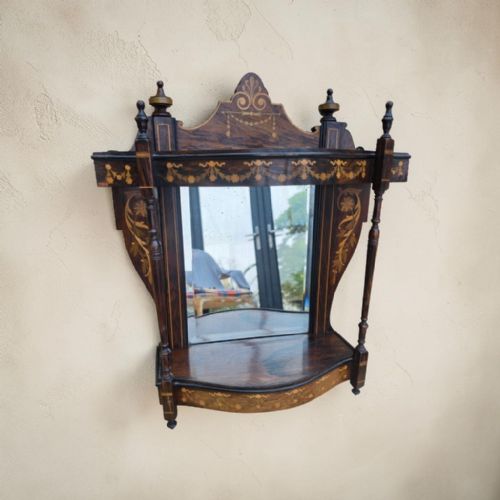
When buyers search for antique wooden wall mounts, they encounter a diverse selection of utilitarian and decorative fixtures designed to secure directly to walls. These items span periods from the eighteenth century through to the early twentieth century, reflecting domestic needs across generations.
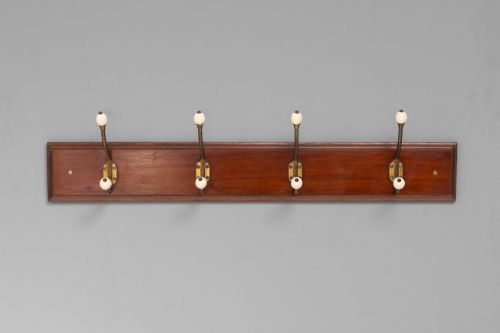
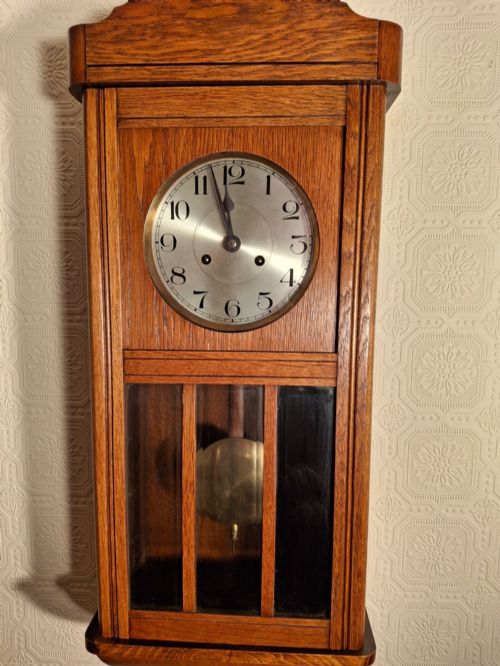
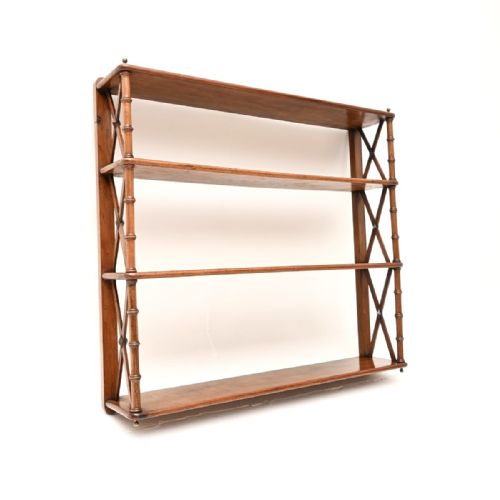
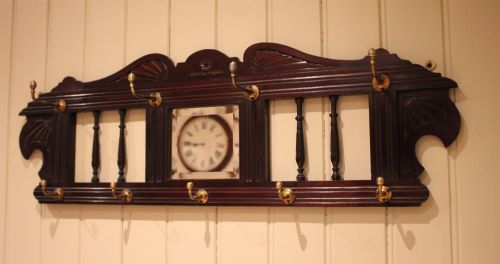
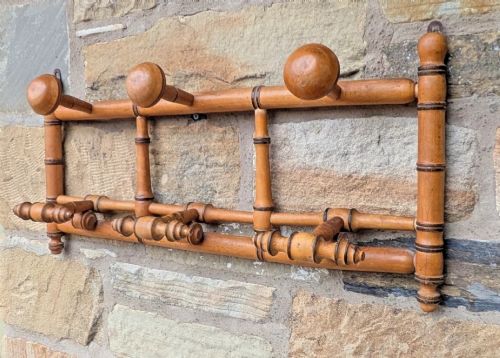
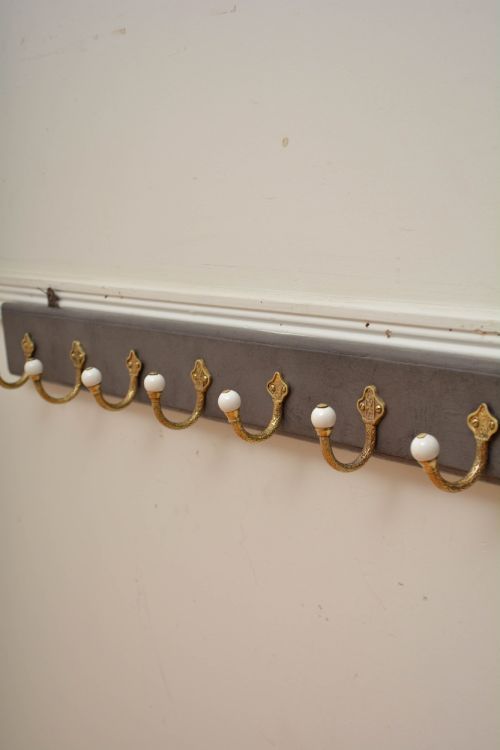
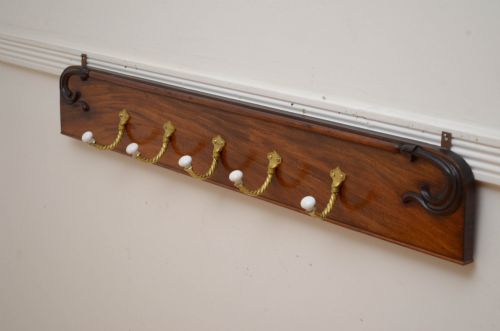
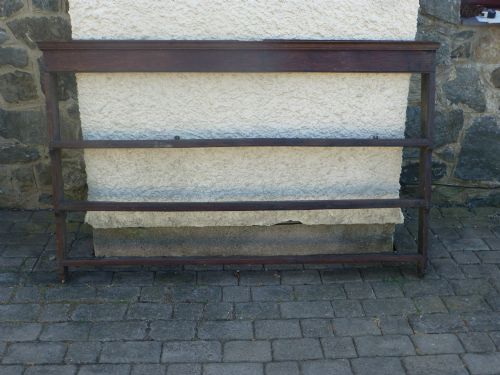
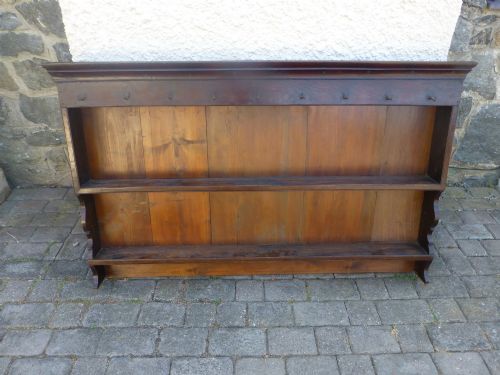
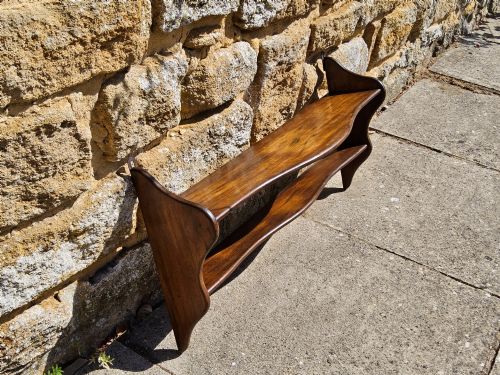
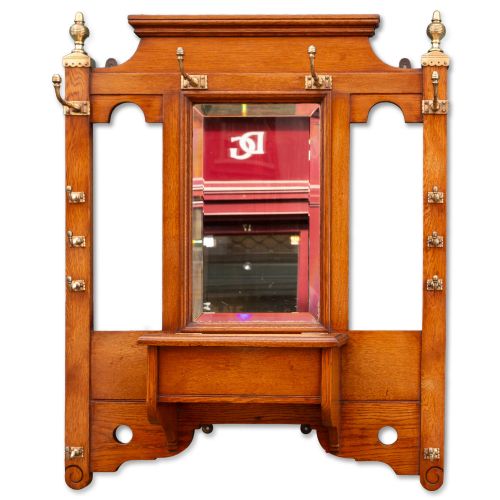
The most common versions on this page include practical coat racks fitted with brass or ceramic hooks, alongside wall shelves, plate racks, and corner cupboards. Materials range from sturdy oak and mahogany to lighter pine and walnut, often styled in Victorian, Georgian, or Edwardian traditions.
How they were made
Cabinet makers and joiners utilised native and imported hardwoods like oak, mahogany, and walnut, alongside utilitarian softwoods such as pine. Construction frequently involved traditional hand-cut joinery, dovetailing, and pegged joints, particularly in eighteenth and nineteenth-century pieces.
Metal elements played an integral structural and decorative role, with cast brass, iron, and wrought components screwed directly into the timber backboards. Additional detailing involved hand-carving, turned wooden elements, and applied ceramic or brass hooks.
Listings feature oak, mahogany, pine, and walnut timbers across Georgian, Victorian, and Edwardian periods.
What varies in quality
The grade of timber and the depth of joinery skill define the hierarchy among these fixtures, with dense quarter-sawn oak and finely figured mahogany marking superior examples. Well-executed carving and the survival of original brass or ceramic hardware elevate a piece above standard utilitarian items.
Structural integrity and the preservation of original surfaces also separate ordinary specimens from exceptional ones. Pieces that retain their mounting points, original paint finishes, or patinated timber without excessive modern replacement parts command greater regard.
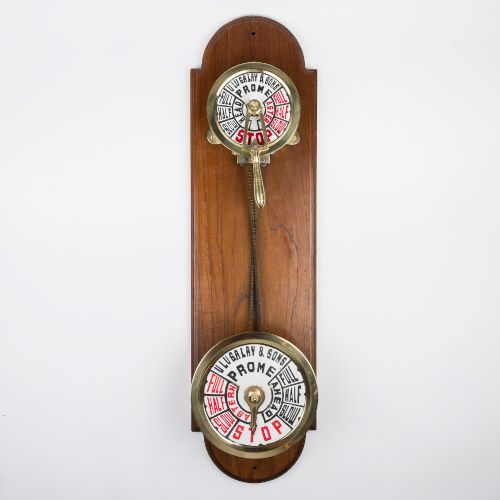
Ulugary And Sons·W Grey And Co
The Antique Wooden Wall Mounts Glossary
- Backboard
- The primary flat wooden plank or panel that anchors hooks, shelves, or cabinets securely to the wall. It distributes weight evenly across fixing points.
- Delft rack
- A specialised wall-mounted wooden shelving unit designed to display ceramic plates and platters upright. These usually feature narrow plate grooves and retaining rails.
- Trefid
- An early style of spoon featuring a flattened, three-lobed terminal handle shape. These typically date from the seventeenth and eighteenth centuries.
- Bentwood
- Timber rendered pliable through steam application and bent into curved structural forms. This technique became popular during the nineteenth century for coat racks and similar items.
Antique Wooden Wall Mounts: Frequently Asked Questions
How do I hang a heavy wooden wall mount safely?
Heavy antique wall fixtures require secure anchoring directly into wall studs or masonry using appropriate heavy-duty screws and wall plugs. Distributing the weight across multiple fixing points prevents strain on the original timber backboard.
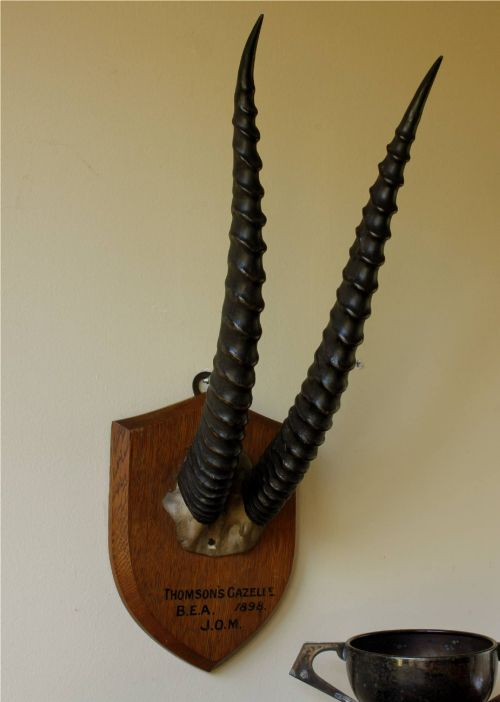
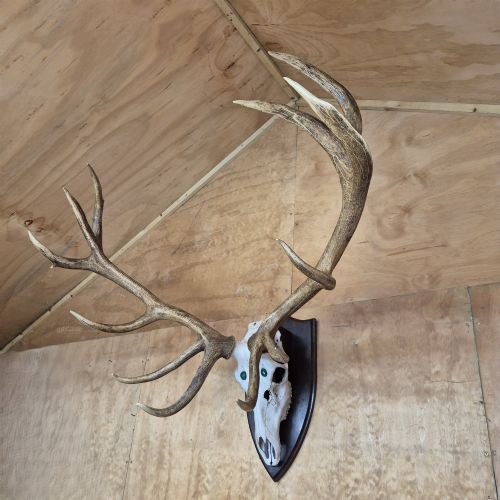
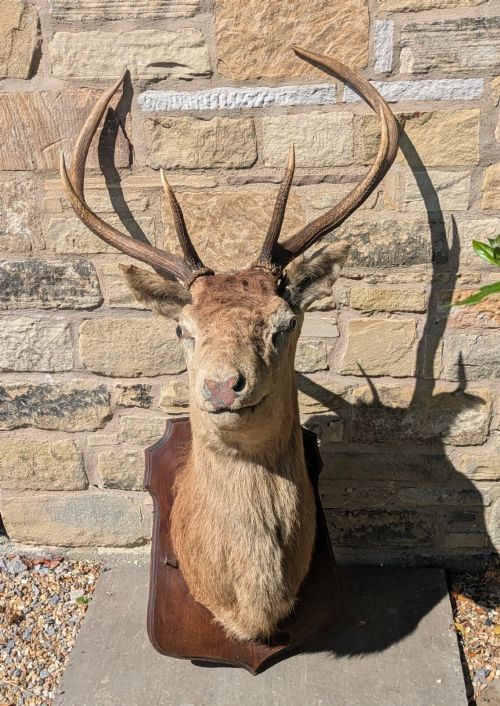
For delicate items like taxidermy mounts or laden plate racks, consulting a professional installer ensures the historic structure remains undamaged under load.
Were these coat racks used in homes or public spaces?
These fixtures served both domestic hallways and commercial or institutional settings depending on their size and hook configuration. Extended racks with numerous brass hooks typically originated in railway stations, offices, or large country houses.
Smaller four-hook boards and valet rails were designed for domestic hallways, bedrooms, and cloakrooms to manage everyday garments.
How do I clean and maintain antique wood and brass?
Maintenance involves gentle dusting with a soft, dry cloth to protect the historic patina and prevent grime accumulation on the timber. Avoid modern silicone-based polishes in favour of traditional beeswax applied sparingly.
Brass hooks and mounts can be left with their natural aged tarnish or gently cleaned with a non-abrasive metal cleaner if brighter highlights are desired.
How can I tell a Victorian wall mount from an earlier piece?
Victorian pieces frequently utilise machine-sawn timbers, cast iron brackets, and standardised brass or ceramic screw-in hooks. They often exhibit heavier proportions and darker finishes popular during the nineteenth century.
Earlier eighteenth-century items, such as oak plate racks or corner cupboards, display hand-planed surfaces, pegged joinery, and simpler wrought iron hardware characteristic of earlier domestic craftsmanship.