
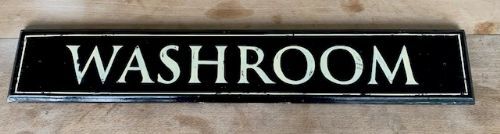
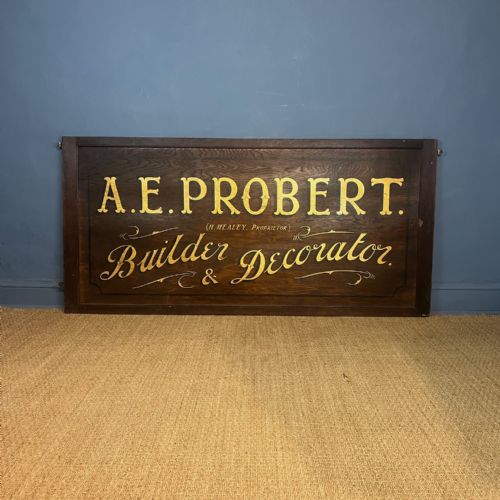
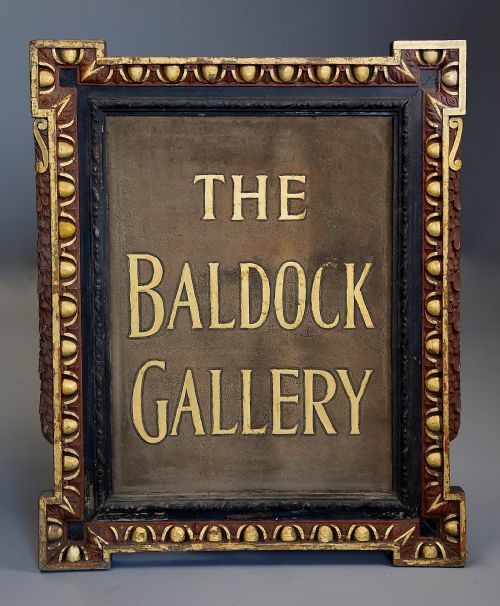


Antique Wooden Signage
Antique wooden signage carries the weight of past commerce and community life, offering tangible connections to early businesses, institutions and public spaces.
Antique Wooden Signage
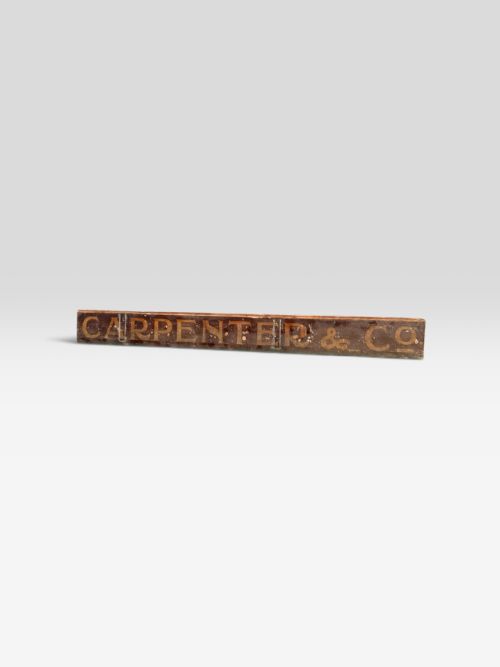
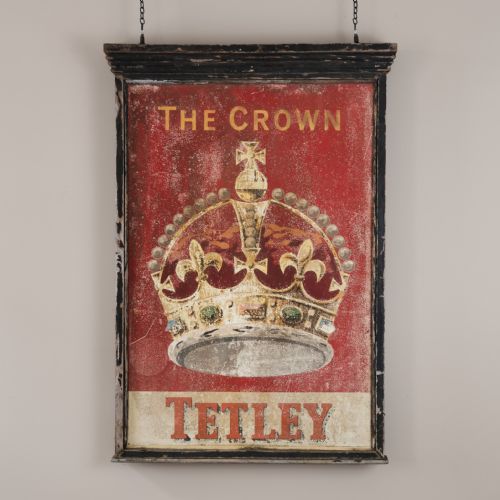
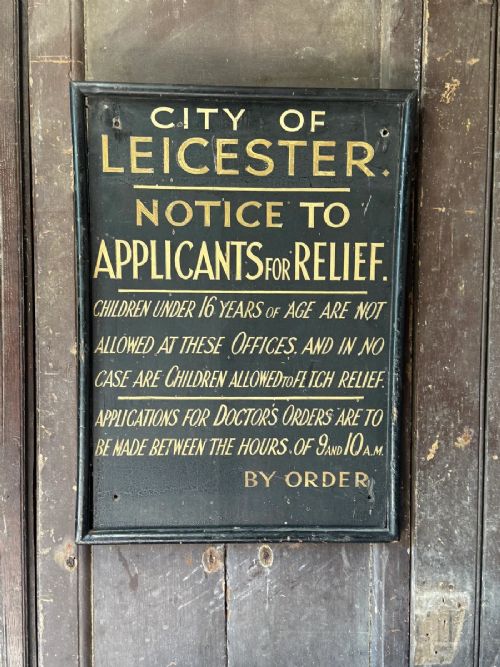
Antique wooden signage encompasses trade signs, wall signs, pub signs and architectural salvage created to inform, direct or advertise. These pieces emerge from the Victorian, Edwardian and interwar periods, reflecting the commercial requirements of their time.
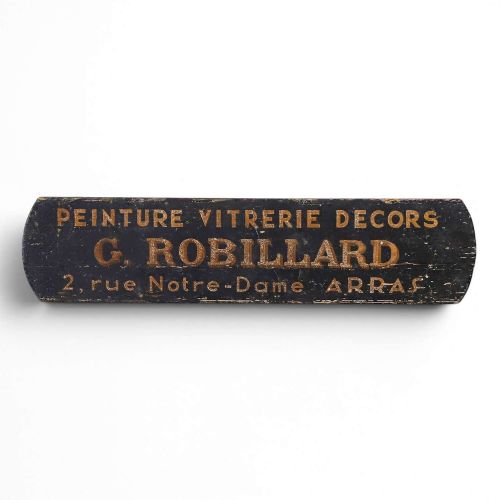
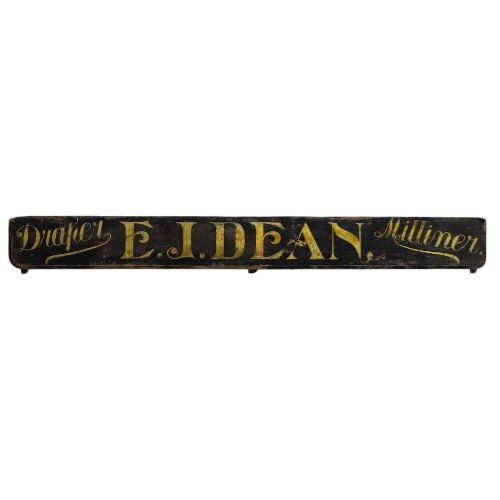
Buyers frequently encounter hand-painted shop signs in pine and oak, alongside larger pub signs and specialist trade boards. The selection draws upon nineteenth-century and early twentieth-century British and French traditions.
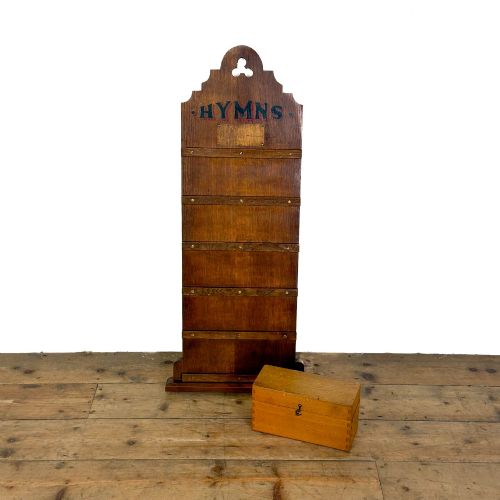
Functional items such as direction signs, hymn boards and pharmacy boards form a core part of the available range. Each piece retains the distinct lettering and character of its original setting.
How they were made
Signmakers utilised native timbers such as oak, pine and general timber as the foundation for their boards. Carpenters shaped and joined the wood before the application of surface finishes.
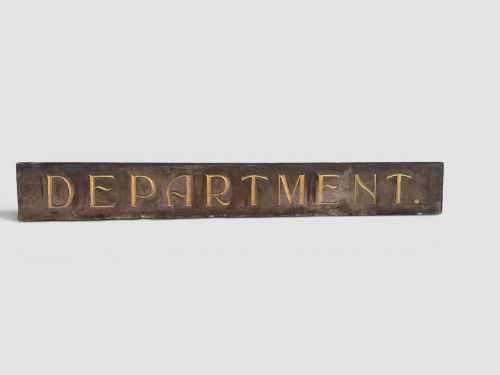
Artisans applied hand-painted lettering, occasionally incorporating gold leaf or carved elements to enhance visibility and detail. Some pieces integrate glass panels, metal fixings or glass reflectors within the wooden frames.
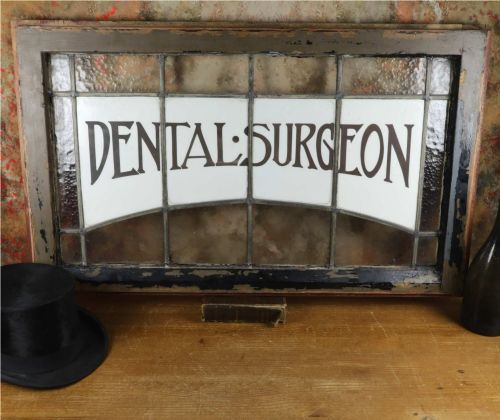
Dental surgeons and locksmiths apparently required very clear wooden instructions.
What varies in quality
The standard of execution in the hand-painted lettering and the complexity of the carving distinguish individual examples. Signage executed with accomplished typography and balanced composition demonstrates greater competence.
The preservation of original painted surfaces and gilding significantly influences the integrity of a piece. Substantial timber construction and well-maintained joinery indicate robust original manufacture.
The Antique Wooden Signage Glossary
- Trade Sign
- A board or hanging marker used by a merchant, craftsman or professional to advertise their premises. These items were displayed outside shops and workshops to catch the attention of passers-by.
- Gold Leaf
- Gold beaten into extremely thin sheets used for gilding lettering and decoration on signs. This material catches the light and resists tarnish over long periods.
- Architectural Salvage
- Building materials and fixtures rescued from structures slated for demolition or alteration. This category includes directional boards, wall signs and large trade pieces.
- Hymn Board
- A board used in churches to display the numbers of the hymns to be sung during a service. These typically feature slotted wooden rows for interchangeable numbers.
- Glass Sign
- A sign utilising painted or gilded glass panels, often mounted within a protective wooden frame. These pieces were common in professional and commercial practice during the Edwardian period.
Antique Wooden Signage: Frequently Asked Questions
Where were these signs displayed?
Tradespeople mounted these signs on exterior walls, above shop doorways or hung them perpendicular to the building for street visibility.
Interior examples such as hymn boards and directional signs served specific functional roles within halls, churches and municipal spaces.
How do I date a wooden sign?
Dating relies on the style of the lettering, the construction methods of the timber board and any surviving documentation or stylistic clues.
Periods range from Victorian Gothic Revival and Belle Epoque through to interwar British commercial designs.
Can these signs be hung outdoors?
Most antique signs were made for exterior use originally, but prolonged exposure to modern weather can degrade aged paint and timber.
Interior display helps preserve surviving hand-painted surfaces, gold leaf and original frames from moisture damage.
What woods were used for signs?
Signmakers selected durable timbers such as oak and pine depending on the budget and the intended location of the board.
Heavier exterior signs required sturdy woods that could withstand hanging stresses and outdoor conditions.